


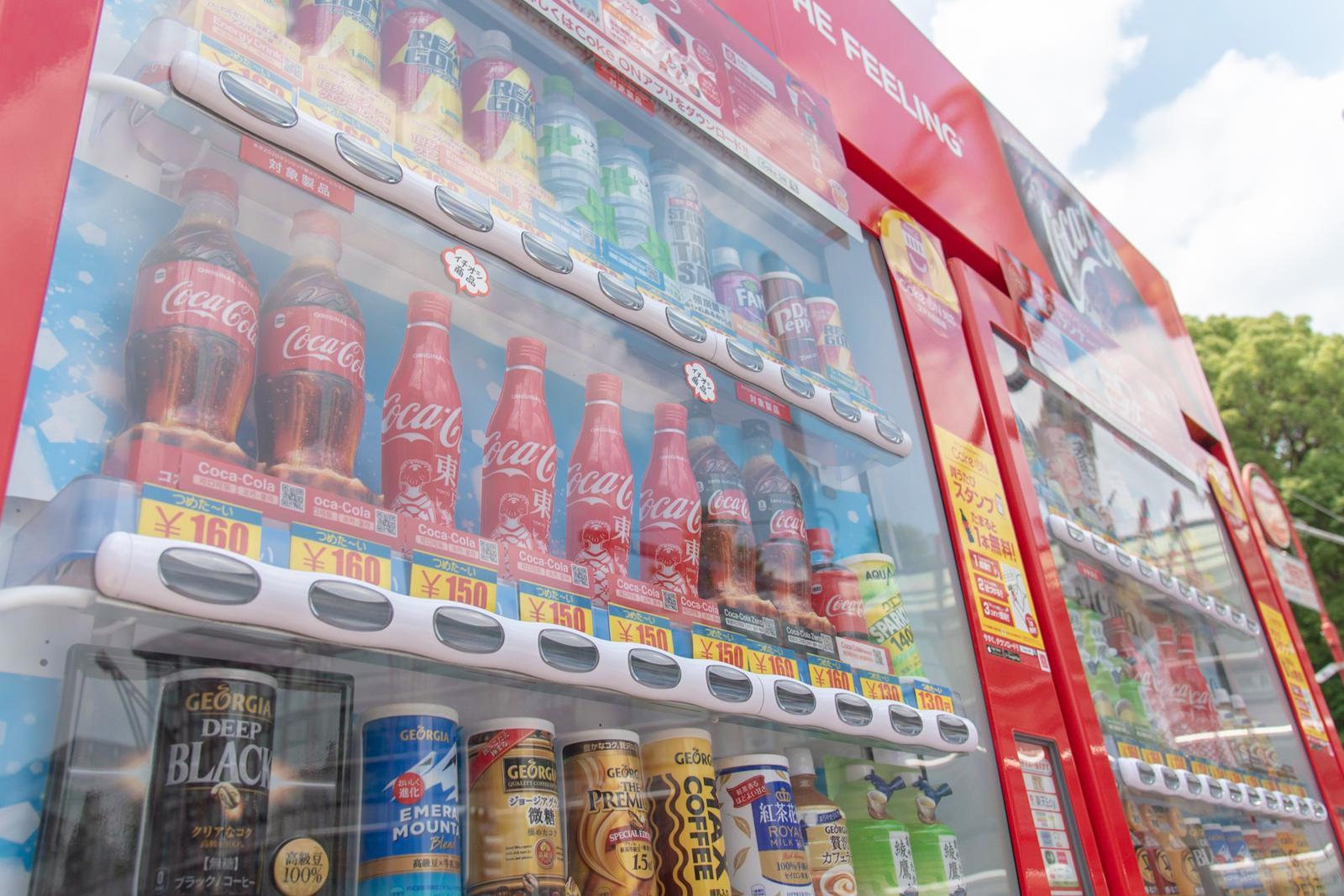
Vending machines disappearing in Japan, the 'vending machine kingdom'
Translated from Korean, summarized and contextualized by DistantNews.
At a glance
News
Sources not specified
Context piece
- The number of beverage vending machines in Japan, once known as the "vending machine kingdom," has decreased by 20% in the last decade.
- Rising costs of raw materials, electricity, and labor, coupled with competition from low-cost supermarkets and drugstores, have reduced profitability.
- Companies are exploring new features, like "gacha" (capsule toy) functions, to add an "experience" element beyond simple sales.
Japan, long celebrated as the "vending machine kingdom," is witnessing a significant decline in its beverage vending machines, with numbers dropping by approximately 20% over the past decade.
The decrease is attributed to a combination of factors, including rising costs for raw materials, electricity, and labor. This financial pressure, coupled with intense competition from low-price beverages sold in supermarkets and drugstores, has severely impacted the profitability of vending machine operations.
Major beverage companies are scaling back their vending machine businesses. Pokka Sapporo Food & Beverage decided to transfer its vending machine division to LifeDrink Company in March, citing the challenging business environment caused by increased product prices due to raw material costs, consumer frugality, rising maintenance expenses, and labor shortages. Daido Group plans to remove about 20,000 underperforming machines from its national total of 270,000 by early next year.
In response, the industry is seeking innovative solutions by incorporating new features into vending machines. Kirin Beverage, for example, recently introduced machines with "gacha" (capsule toy) functionality in Tokyo and Chiba. This strategy aims to offer an "experience" beyond simple transactions, allowing customers to receive an extra bottle of children's health drink after purchasing a specific beverage and turning a dedicated handle.
The company side stated that the vending machine business environment has become difficult due to rising product prices due to raw material costs, consumer frugality, rising equipment maintenance costs, and labor shortages.
DistantNews Editorial
Originally published by Dong-A Ilbo in Korean. Translated, summarized, and contextualized by our editorial team with added local perspective. Read our editorial standards.
More Stories


From Our Blog

What Gets Lost (and Found) When News Is Translated

The Critical Role of Diaspora Media in Global News

What Travellers Should Know About Countries with Restricted Press

A Digital Nomad's Guide to Following Local News

How the Same Story Looks Different in Different Countries
