

Venezuela Earthquake Death Toll Surpasses 5,000; 17,000 Homeless
Translated from Spanish, summarized and contextualized by DistantNews.
At a glance
News
Sources not specified
Ongoing story
- The death toll from a double earthquake in Venezuela on June 24 has risen to 5,069, with 139 new fatalities reported.
- Over 17,900 people remain homeless, and authorities have assisted more than 128,000 affected families.
- The government is initiating a biometric census to assess housing needs, estimated at 25,000, and has approved a law to accelerate housing construction.
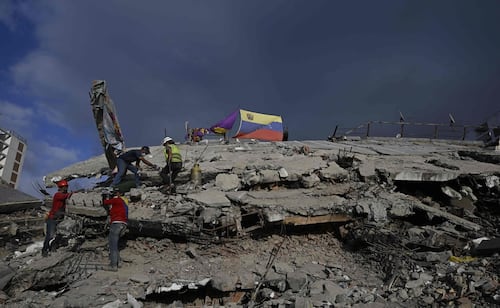
Venezuela's devastating double earthquake on June 24 has claimed over 5,000 lives, with the latest figures showing 5,069 fatalities after 139 additional deaths were confirmed. The disaster has left more than 17,900 people without homes, highlighting the ongoing crisis.
Authorities report assisting 128,324 families impacted by the 7.2 and 7.5 magnitude tremors. Of those displaced, 21,235 individuals are currently housed in 107 temporary camps. Since the initial quakes, the country has experienced 1,331 aftershocks, with a notable tremor of magnitude 3.9 occurring on July 10 causing renewed panic and building evacuations.
The number of people without housing remains at 17,907
In response to the widespread destruction, the government has launched a biometric census to accurately determine the number of new homes required, with initial estimates suggesting a need for 25,000 units. To expedite the rebuilding process, the Venezuelan Parliament has approved a reform to the Law Against Real Estate Fraud. This legislative change aims to create better conditions, including legal security and financing options, to encourage the private sector to engage in an "aggressive process" of housing construction.
The reform, which requires a second debate for final approval, was explained by Pedro Infante, the first vice president of the National Assembly. He emphasized that the modification seeks to guarantee improved conditions and financing capacity for private companies to accelerate the construction of new homes in the earthquake-affected regions.
accelerate the construction of housing in the country
DistantNews Editorial
Originally published by El Universal in Spanish. Translated, summarized, and contextualized by our editorial team with added local perspective. Read our editorial standards.
More Stories

From Our Blog

What Press Freedom Means for the News You Read

What Gets Lost (and Found) When News Is Translated

The Critical Role of Diaspora Media in Global News

What Travellers Should Know About Countries with Restricted Press

A Digital Nomad's Guide to Following Local News
