

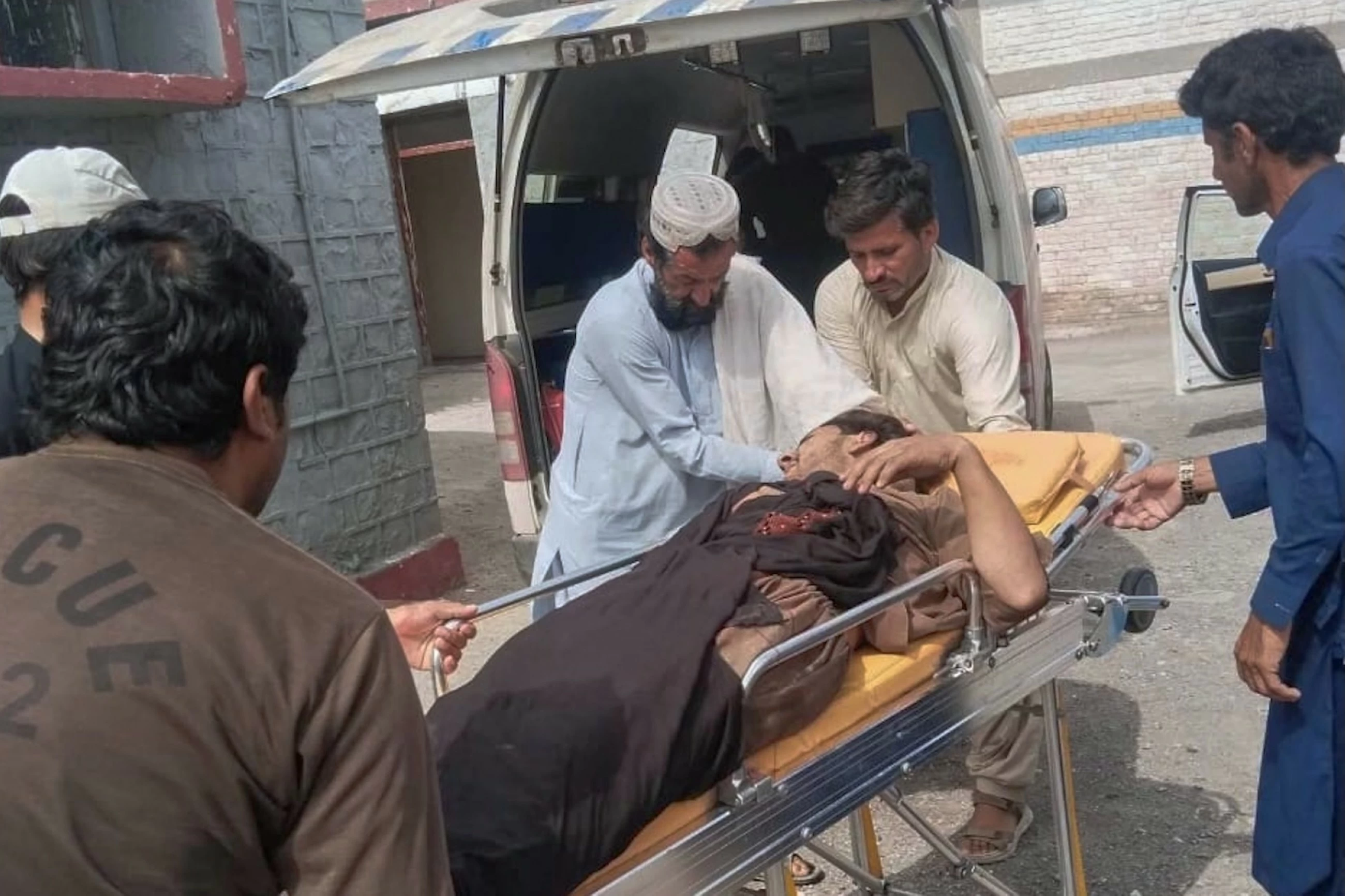
Venezuela earthquake response politicized amid aid efforts
Translated from English, summarized and contextualized by DistantNews.
At a glance
News
Sources not specified
Outcome reported
- Twin earthquakes rocked Venezuela's La Guaira state and Caracas, prompting remarkable teamwork not seen since the 1999 mudslides.
- Despite humanitarian aid efforts, the disaster response has become politicized, with key political figures aiming to bolster their reputations.
- The U.S. provided significant aid, including search and rescue teams and air-lifting capabilities, partly due to geopolitical and personal reasons tied to U.S. foreign policy objectives in Venezuela.
Twin earthquakes have struck Venezuela's coastal state of La Guaira and parts of the capital, Caracas, sparking remarkable teamwork among civilians reminiscent of the response to the devastating 1999 mudslides. However, the natural disaster has unfolded against a backdrop of Venezuela's ongoing political turmoil.
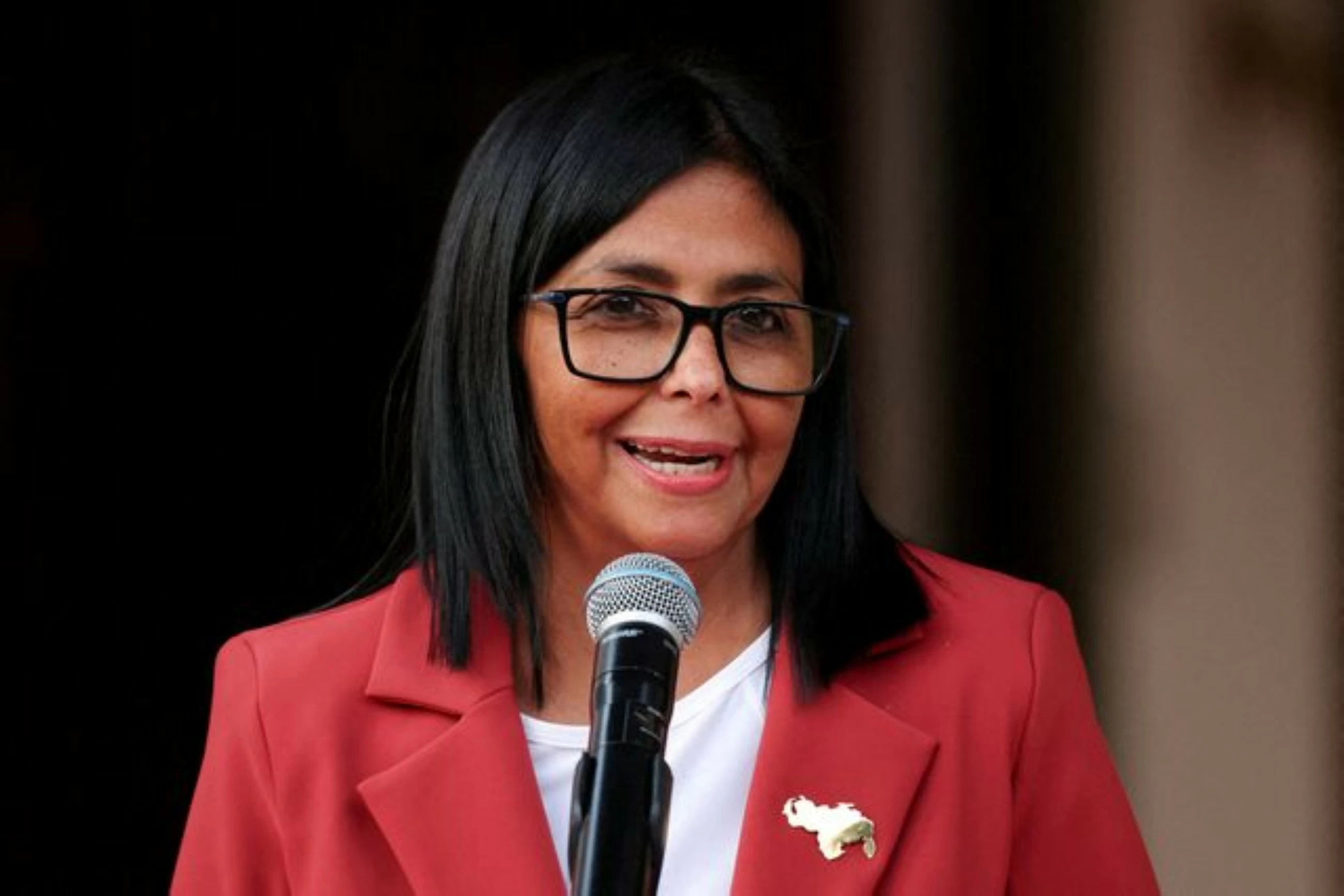
In an ideal scenario, political agendas would be set aside during such a tragedy. Yet, the disaster response has been politicized by major political figures, including President Donald Trump, Venezuelan interim President Delcy Rodríguez, and opposition leader María Corina Machado. Each appears to be leveraging the situation to enhance their own standing and influence.
The Trump administration responded swiftly, authorizing $150 million in aid and dispatching search and rescue teams. The U.S. military also provided air-lifting capabilities for the injured and sent a team to repair runways at Simón Bolívar International Airport to facilitate aid delivery. While the aid is deemed appropriate and humanitarian, its provision is also linked to geopolitical and personal motivations. Trump views Venezuela as a key success of his foreign policy, highlighting his decisiveness and the effectiveness of the "Donroe Doctrine" in expanding U.S. influence in the Western Hemisphere.
DistantNews Editorial
Originally published by Gulf Today in English. Translated, summarized, and contextualized by our editorial team with added local perspective. Read our editorial standards.
More Stories

From Our Blog

What Gets Lost (and Found) When News Is Translated

The Critical Role of Diaspora Media in Global News

What Travellers Should Know About Countries with Restricted Press

A Digital Nomad's Guide to Following Local News

How the Same Story Looks Different in Different Countries
