

Venezuela fills with camps after earthquakes; uncertainty reigns over living on the street
Translated from Spanish, summarized and contextualized by DistantNews.
At a glance
News
Sources not specified
Ongoing story
- A double earthquake on June 24 caused at least 1,430 deaths and over 3,000 injuries in Venezuela, according to official figures.
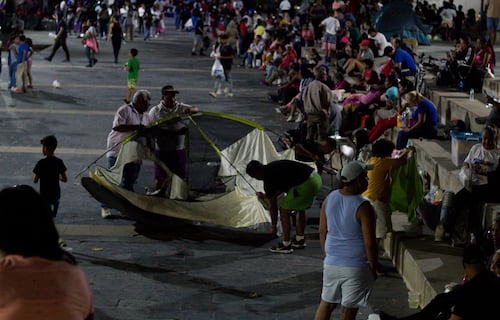
- Affected families have turned public spaces like plazas and parks into makeshift camps, fearing structural damage to their homes.
- Citizens await property evaluations to decide whether to return home, while rescue efforts continue for those trapped under rubble.
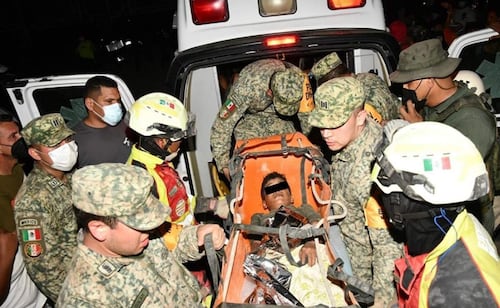
Caracas's landscape has transformed as plazas, boulevards, and park spaces have become makeshift camps for families displaced by a double earthquake on June 24. Official figures report at least 1,430 deaths and over 3,000 injuries.
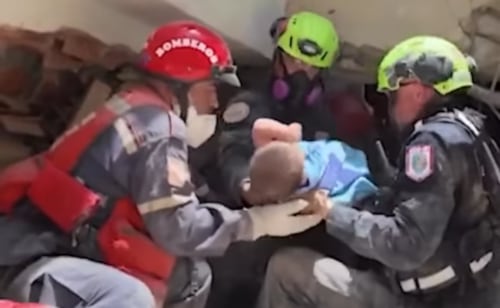
Citizens are seeking refuge in open spaces, feeling they are safer due to aftershocks. Most are waiting for property evaluations before deciding whether to return to their damaged homes. However, the scale of the tragedy has overwhelmed capacities, with current efforts focused on rescuing survivors from the rubble.
Javier Toncel, 64, described his experience as "horrible." After his apartment building in Los Palos Grandes suffered structural damage, he and his family, along with their dog, have been sleeping in Plaza Francia de Altamira. "Welcome to my house," he said, sitting on a patch of artificial grass.
Toncel recounted witnessing the collapse of the Petunia I building, which reportedly killed at least 35 people. "I managed to get the truck out because the building actually fractured. We are waiting to see what the mayor, the government says. What will become of our lives?" he questioned, his voice filled with uncertainty. He has been sleeping in the plaza for three days, waking early to secure his belongings and then assisting neighbors.
Recalling the 1999 Vargas landslide, Toncel compared the current disaster's impact, stating, "These blows are not easy." He expressed gratitude that his family is safe, but the uncertainty of their future weighs heavily. "We have to sleep here in the plaza, then go to the car, but we don't know what will happen. It's like starting over. At that time (in 1999), we were literally naked. When I see all that has happened, I said: 'Again.'" He acknowledged the community's support with food and water but admitted even eating is difficult, as his thoughts are consumed by the disaster.
DistantNews Editorial
Originally published by El Universal in Spanish. Translated, summarized, and contextualized by our editorial team with added local perspective. Read our editorial standards.
More Stories
From Our Blog

What Press Freedom Means for the News You Read

What Gets Lost (and Found) When News Is Translated

The Critical Role of Diaspora Media in Global News

What Travellers Should Know About Countries with Restricted Press

A Digital Nomad's Guide to Following Local News
