

Venezuela's earthquake response hindered by economic and political crises
Summarized and contextualized by DistantNews.
At a glance
Interview
Sources not specified
Ongoing story
- Venezuela's earthquake response is hampered by the country's ongoing economic and political crises.
- Communications are disrupted, making casualty figures unreliable, and many older buildings are structurally frail.
- First responders face challenges, including a non-functional early warning system, and a lack of visible emergency personnel in some neighborhoods.
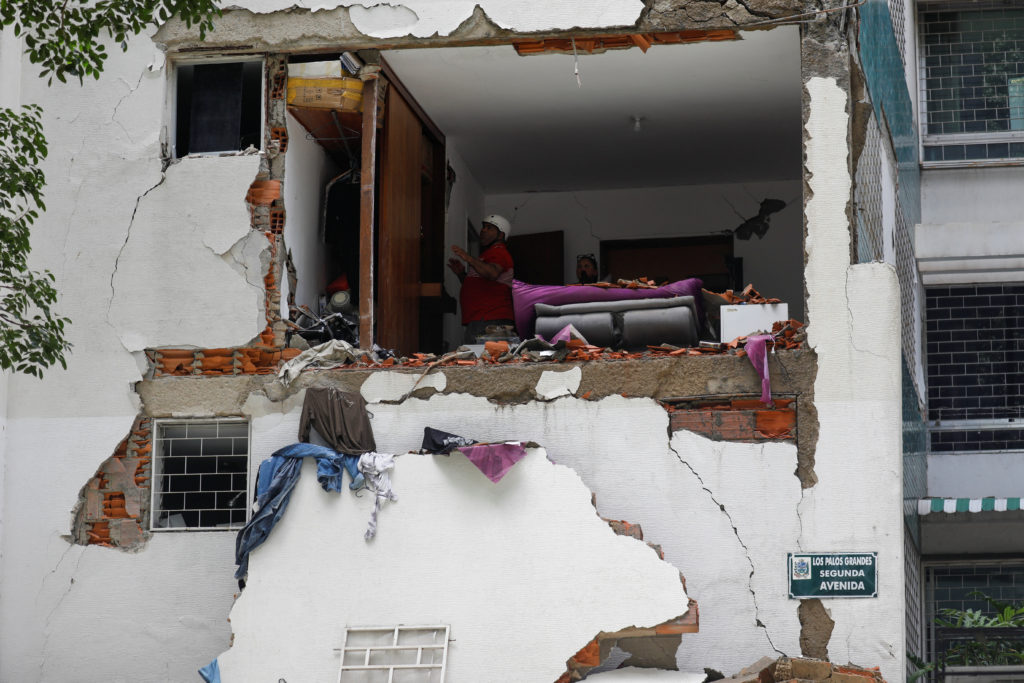
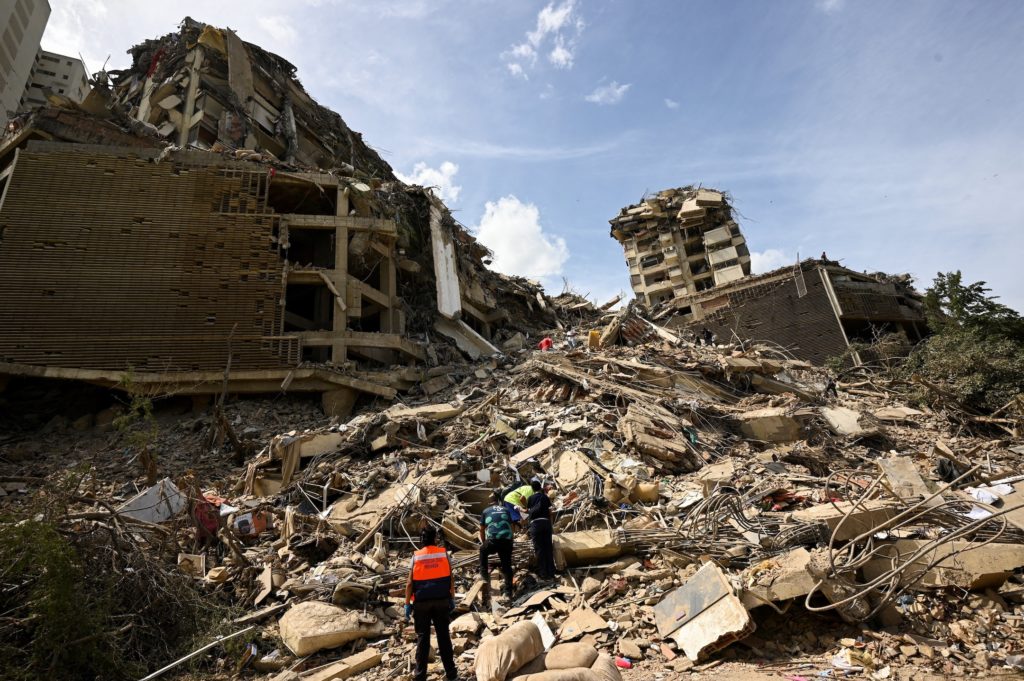
Venezuela's response to a devastating earthquake is severely complicated by the nation's deep economic and political crises, according to special correspondent Mónica Villamizar reporting from Bogotá, Colombia.
What we are hearing is that the devastation is likely to be way more severe than the reports, the official reports, we're seeing. Communications are disrupted, to say the least. And that means that the statistics regarding the injured, casualties are not reliable at this point in the capital, Caracas.
Villamizar highlights that official reports on casualties and damage are likely underestimates due to widespread communication disruptions. She notes that many buildings in the capital, Caracas, are old and do not meet current safety codes, making them vulnerable to collapse from aftershocks. This fragility poses a significant risk to survivors and rescue workers.
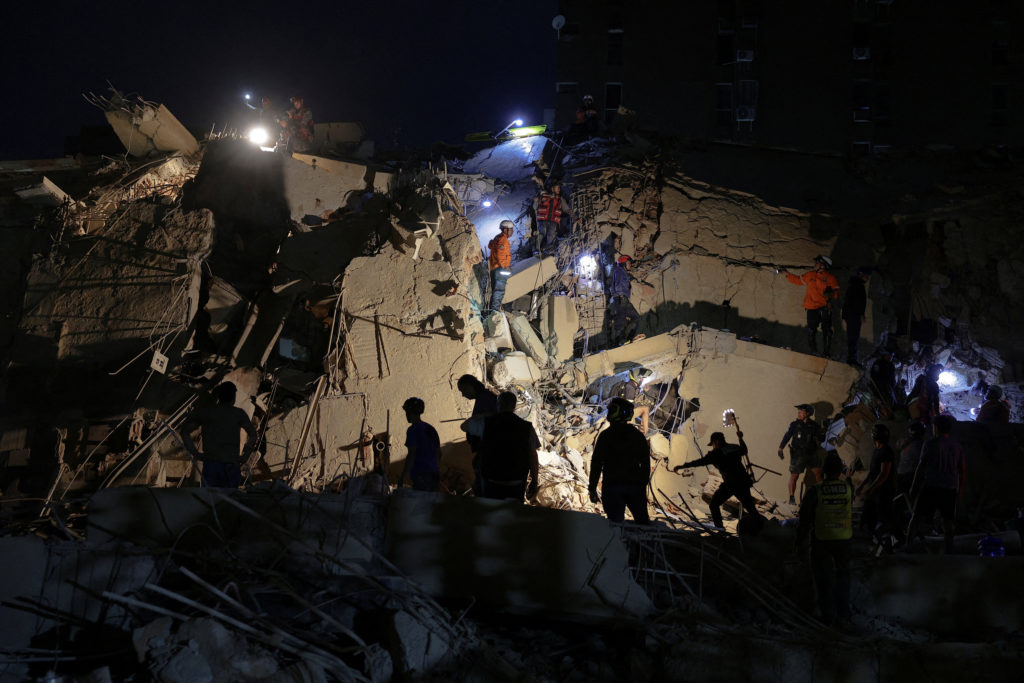
Adding to the challenges, reports indicate that Venezuela's early warning system failed to function during the earthquake, potentially costing lives. Residents in some affected neighborhoods have not seen any emergency rescue workers, raising concerns about the speed and reach of the official response. Despite the difficult circumstances, Villamizar notes reports of solidarity among citizens, with neighbors helping each other dig through rubble.
And we are hearing reports that the emergency -- early emergency warning system did not work. So people did not know what to do, and then there was the aftershock, very strong aftershock, indeed. So that could have saved lives maybe.
The exodus of approximately eight million people from Venezuela in recent years also means a smaller population remains, potentially impacting the available workforce for recovery efforts.
And, sadly, this did not work, apparently. We understand and there are reports that people in neighborhoods have not seen a single ambulance or emergency rescue worker. So that, again, is very worrying.
DistantNews Editorial
Originally published by PBS NewsHour. Summarized and contextualized by our editorial team with added local perspective. Read our editorial standards.
More Stories


From Our Blog

How the Same Story Looks Different in Different Countries

What Gets Lost (and Found) When News Is Translated

The Critical Role of Diaspora Media in Global News

What Travellers Should Know About Countries with Restricted Press

A Digital Nomad's Guide to Following Local News
