


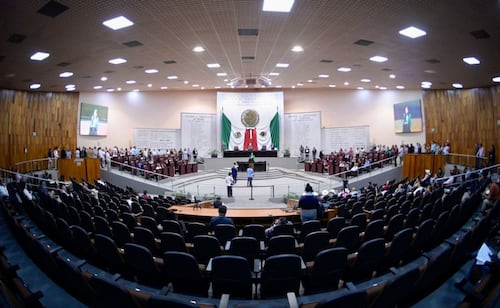
Veracruz Congress toughens penalties for cattle rustling and illegal livestock trafficking
Translated from Spanish, summarized and contextualized by DistantNews.
At a glance
News
Named sources
Approved/passed
- The Veracruz Congress in Mexico approved legal reforms to toughen penalties for cattle rustling (abigeato).
- The reforms reclassify abigeato and criminalize illegal cattle trafficking, aiming to deter crime and strengthen prosecution.
- Penalties now range from six to fifteen years in prison, depending on the type and quantity of livestock involved.
Lawmakers in Veracruz, Mexico, have approved significant legal reforms aimed at combating the pervasive issue of cattle rustling. The state, which boasts one of Mexico's largest cattle herds, has seen an increase in abigeato, prompting legislative action.
The reforms, passed with 44 votes in favor, amend the Penal Code to reclassify abigeato and specifically criminalize the illegal trafficking of livestock. This move is intended to deter the commission of these crimes, bolster criminal prosecution efforts, and ensure that sentences are proportionate to the social harm caused.
Under the new legislation, individuals found guilty of abigeato face prison sentences of six to twelve years and fines. These penalties increase to six to fifteen years in prison for the theft or illegal disposal of bovine or equine livestock. The reforms also define abigeato as unlawfully taking possession of livestock, disposing of livestock whose possession has been transferred but not ownership, or slaughtering livestock without proper consent.
Furthermore, the reforms introduce penalties for illegal cattle trafficking. Those involved in moving livestock without proper health, movement, or ownership documentation, or those who facilitate the illicit origin of animals, face three to eight years in prison and substantial fines. These measures draw upon legal models from other Mexican states like Tabasco, Chihuahua, and Sinaloa, which have implemented similar protections for the primary agricultural sector.
DistantNews Editorial
Originally published by El Universal in Spanish. Translated, summarized, and contextualized by our editorial team with added local perspective. Read our editorial standards.
More Stories


From Our Blog

What Press Freedom Means for the News You Read

What Gets Lost (and Found) When News Is Translated

The Critical Role of Diaspora Media in Global News

What Travellers Should Know About Countries with Restricted Press

A Digital Nomad's Guide to Following Local News
