


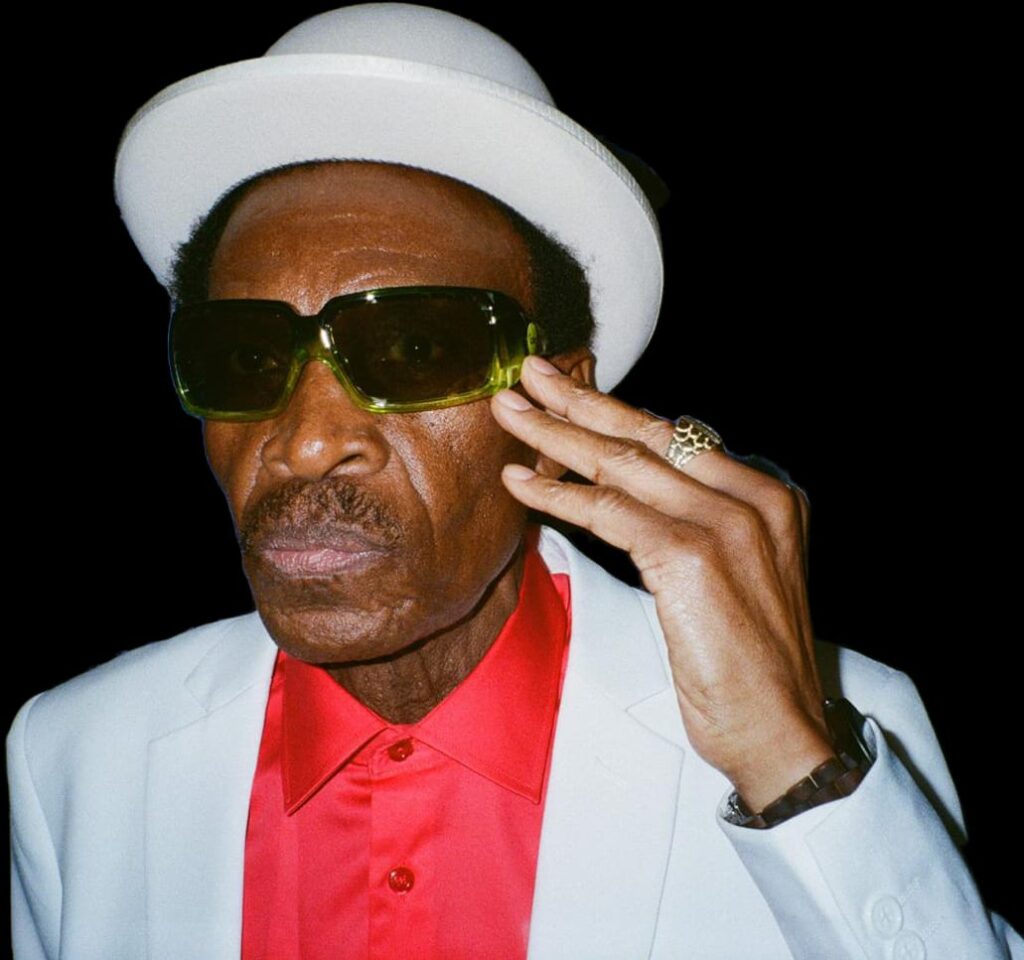
Vernon Buckley keeps reggae alive in Canada
Summarized by DistantNews. Read the original for the full story.
At a glance
In-depth
Named sources
Context piece
- Vernon Buckley, a founding member of Jamaican reggae duo The Maytones, continues recording and producing music in Canada nearly five decades after moving there.
- His Toronto-based Buckley’s Music Label has released singles by artists including Glen Washington, Leroy Sibbles, Ken Boothe and Sugar Minott.
- Buckley recently released “Let it Go,” following several other singles and a collaboration with Washington.
Nearly five decades after leaving Jamaica, Vernon Buckley remains active in Canada’s reggae scene as a singer, producer and label head.
Buckley, one half of the classic reggae duo The Maytones, has spent recent months working with London-based musicians Mafia and Fluxy. His latest single, “Let it Go,” came out on August 31, following “Time For Love,” “Strong Love” and “When The War’s All Over,” a collaboration with Glen Washington.
“Even though yuh don’t have any big budget, di thing has always been to make good music. Jus’ like we did back in di day,” Buckley said.
The Clarendon-born artist moved to Canada in 1980, three years after The Maytones reached the charts with “Money Worries,” produced by Alvin “GG” Ranglin. The song had originally been recorded by Ernest Wilson at Studio One, and the duo’s version later appeared on the soundtrack of the 1978 film “Rockers.”
Buckley continued recording with fellow Maytones founder Gladstone Grant and as a solo artist after relocating. Through Buckley’s Music Label, he has also released music by prominent reggae performers including Washington, Leroy Sibbles, Ken Boothe, Sugar Minott, Jimmy Riley and Errol Dunkley. The Maytones formed in Clarendon in the late 1960s and worked closely with Ranglin during the 1970s, recording songs such as “Funny Man” and “Madness.”
Even though yuh don’t have any big budget, di thing has always been to make good music. Jus’ like we did back in di day.
About this summary
Originally published by Jamaica Observer. Summarized and contextualized automatically by DistantNews, with a note on how the source frames the story. Not individually reviewed before publishing. How this works.
More Stories


From Our Blog

What Gets Lost (and Found) When News Is Translated

The Critical Role of Diaspora Media in Global News

What Travellers Should Know About Countries with Restricted Press

A Digital Nomad's Guide to Following Local News

How the Same Story Looks Different in Different Countries
