


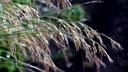
Veterinarians Warn of Deadly Summer Danger: This Seemingly Harmless Grass Can Be Fatal to Dogs
Translated from Croatian, summarized and contextualized by DistantNews.
At a glance
News
Sources not specified
Context piece
- Veterinarians warn that common summer grass, known as foxtail or wild barley, poses a deadly threat to dogs.
- The grass's seed head, shaped like a miniature arrow with backward-facing barbs, can embed in a dog's skin or fur and migrate internally.
- This migration can lead to severe infections, abscesses, and potentially fatal outcomes if not surgically removed.
Veterinarians are issuing a stark warning to dog owners about a seemingly harmless summer hazard: foxtail grass. This common plant, also known as wild barley, can cause severe internal injuries and even death in dogs.
The danger lies not in the plant's toxicity, but in the anatomy of its seed head. Resembling a tiny arrow with sharp barbs, it easily embeds itself in a dog's fur or skin. Once lodged, the seed can only travel in one direction – forward. Every movement, muscle twitch, or attempt to lick the area only pushes it deeper into the tissue.
Unlike splinters or glass, a dog's body cannot break down plant material. This means the seed continues its journey until surgically removed. Common entry points include the paws, ears, nose, and eyes. Symptoms vary depending on the location, with paw injuries often resulting in persistent licking, limping, or painful, pus-filled lumps. Ear penetration causes sudden, violent head shaking and intense pain, while inhaled seeds trigger explosive sneezing, sometimes with bloody discharge.
Long-haired breeds are particularly vulnerable, as the seeds can easily get tangled in their fur around the paws and ears. However, the most alarming risk is the seed's ability to migrate through soft tissues and muscles. Cases have been documented where seeds traveled from a paw to the lungs, from the snout to the brain, or from the chest to the spine. Such migrations cause severe internal abscesses and chronic infections that resist antibiotics, potentially damaging vital organs.
Locating these migrating seeds can be extremely difficult, often requiring advanced diagnostics like CT scans or ultrasounds, as they are invisible on X-rays. A clinical case highlighted the severity: a five-year-old Labrador suffered for weeks with fluid buildup around its heart and chest, experiencing lethargy and breathing difficulties. Despite multiple fluid drains and extensive tests, the dog's condition did not improve, underscoring the insidious nature of this common plant.
DistantNews Editorial
Originally published by Večernji List in Croatian. Translated, summarized, and contextualized by our editorial team with added local perspective. Read our editorial standards.
More Stories



From Our Blog

What Gets Lost (and Found) When News Is Translated

The Critical Role of Diaspora Media in Global News

What Travellers Should Know About Countries with Restricted Press

A Digital Nomad's Guide to Following Local News

How the Same Story Looks Different in Different Countries
