

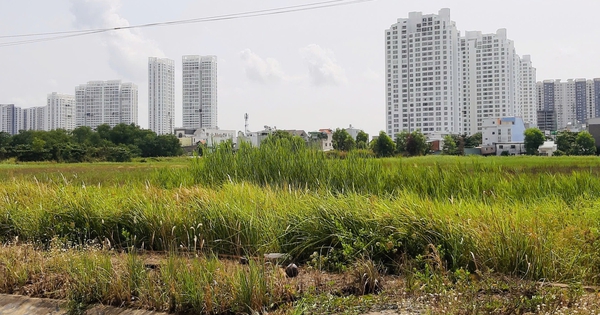

Vietnam Considers Banning 'Fantasy' Real Estate Ads
Translated from Vietnamese, summarized and contextualized by DistantNews.
At a glance
News
Named sources
Context piece
- Vietnamese lawmakers are considering new rules to ban misleading real estate advertisements, following concerns about developers misrepresenting project environments.
- A proposal aims to mandate the disclosure of crucial details like green spaces, water sources, and air quality around projects.
- The move seeks to protect buyers from false advertising, where project visuals often differ significantly from the actual delivered product.
Vietnamese lawmakers are pushing for stricter regulations on real estate advertising, aiming to curb deceptive practices by developers. The proposed amendments to the Law on Real Estate Business address a growing concern that promotional materials often present an overly rosy picture of projects, misleading potential buyers.
In reality, a water body that is only about 1-2 hectares is advertised with a very wide view as if it were tens of hectares. Or the surrounding trees are drawn a lot, but in reality, it's not like that; the sky light is shimmering like in Europe, but the reality is very different.
During a parliamentary discussion on August 22, Nguyen Minh Tuan, Director of Phu Tho Provincial Police, highlighted instances where developers allegedly manipulated project renderings. He cited examples of projects falsely depicting expansive water bodies, abundant greenery, and idyllic sky views, starkly contrasting with the reality. Tuan specifically mentioned cases where surrounding factories were digitally removed from blueprints and advertised water features were exaggerated in size.
To combat this, Tuan proposed that developers be legally required to disclose essential environmental information, including details about surrounding green spaces, water sources, air quality, noise levels, and lighting. He argued that such transparency is crucial for buyers to make informed decisions. "When investors and customers buy these projects, who is responsible and who protects their rights?" he questioned, emphasizing the need for truthful advertising.
When investors and customers buy these projects, who is responsible and who protects their rights?
The proposal also seeks to criminalize false advertising within the law itself. Tuan stressed that this legal framework should be established early in the project development phase, preventing issues before they arise. He warned against a situation where customers are lured by "shimmering 3D images with birds flying and flowers blooming" only to receive a vastly different product upon handover.
It is impossible to let the situation where customers or investors only look at 3D images, watch shimmering promotional clips with birds flying and flowers blooming, but the reality upon handover is completely different.
DistantNews Editorial
Originally published by Thanh Niên in Vietnamese. Translated, summarized, and contextualized by our editorial team with added local perspective. Read our editorial standards.
More Stories

From Our Blog

What Gets Lost (and Found) When News Is Translated

The Critical Role of Diaspora Media in Global News

What Travellers Should Know About Countries with Restricted Press

A Digital Nomad's Guide to Following Local News

How the Same Story Looks Different in Different Countries
