


Vietnam Considers Rerouting High-Speed Rail to Protect Ancient Tower
Translated from Vietnamese, summarized and contextualized by DistantNews.
At a glance
News
Sources not specified
New plan
- Vietnam's Ministry of Construction is considering adjusting the route of a high-speed rail project to protect the ancient Hoa Lai tower in Khanh Hoa province.
- This decision highlights a growing societal emphasis on preserving cultural heritage alongside economic development.
- The move, though potentially increasing costs, prioritizes irreplaceable historical values and aims to foster social consensus.
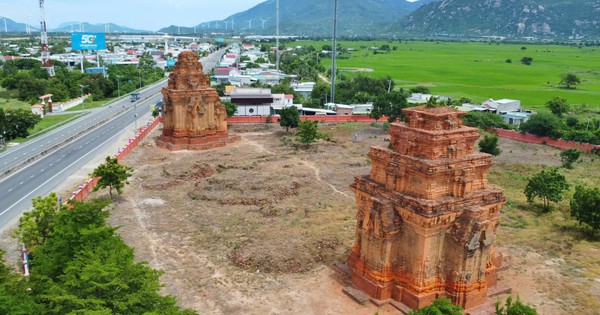
Vietnam's Ministry of Construction is reviewing a proposal to alter the planned route of the North-South high-speed railway to safeguard the Hoa Lai tower, an ancient Cham architectural complex over 1,000 years old. This consideration by provincial authorities in Khanh Hoa is seen as a positive step, recognizing that infrastructure development should not come at the expense of irreplaceable cultural heritage.
The Hoa Lai tower, located in Thuan Bac commune, stands as a testament to the region's rich history. As Vietnam pushes forward with vital infrastructure projects to boost economic and social development, balancing progress with preservation becomes crucial. This situation echoes a previous instance where a national highway route was adjusted to protect hundreds-year-old fig trees, underscoring a commitment to valuing historical and cultural landmarks.
While rerouting the railway may incur additional costs and require further technical assessments, the long-term benefits of preserving invaluable cultural assets and building societal consensus are considered paramount. The article suggests that true development is measured not only by speed and progress but also by the respect shown to historical legacies. This approach to cultural heritage preservation is advocated as a model for future projects across the country.
DistantNews Editorial
Originally published by Thanh Niên in Vietnamese. Translated, summarized, and contextualized by our editorial team with added local perspective. Read our editorial standards.
More Stories



From Our Blog

What Gets Lost (and Found) When News Is Translated

The Critical Role of Diaspora Media in Global News

What Travellers Should Know About Countries with Restricted Press

A Digital Nomad's Guide to Following Local News

How the Same Story Looks Different in Different Countries
