



Vietnam Faces Record El Niño and Intense Heatwaves
Translated from Vietnamese, summarized and contextualized by DistantNews.
At a glance
News
Sources not specified
Ongoing story
- A record-breaking El Niño event is forecast for 2026, potentially stronger than the 2015-2016 event.
- Vietnam is expected to experience prolonged heatwaves in June and July, with temperatures exceeding 40 degrees Celsius in some areas.
- While fewer typhoons and tropical depressions are predicted for the year, the remaining storms could be unusually strong and cause extreme rainfall.
Vietnam is bracing for a potentially record-breaking El Niño event in 2026, with forecasts indicating it could surpass the intensity of the 2015-2016 phenomenon. The national weather center warns that this will significantly impact the country's climate through the end of the year and into early 2027.
Mai Văn Khiêm, Director of the National Center for Hydro-Meteorological Forecasting, stated that El Niño has been confirmed globally and is strengthening. The forecast suggests a 60-65% probability of a very strong El Niño by late 2026 to early 2027. This intensified El Niño is expected to bring more hot days than the multi-year average and 2025, though possibly not breaking 2024's record.
The probability of El Niño with very strong intensity has increased compared to previous forecasts, rising to about 60-65% by the end of this year to early 2027.
Immediate impacts include prolonged heatwaves. Central Vietnam, particularly from Thanh Hóa to eastern Đắk Lắk, will face widespread heat from June 17 to 28, with intense heat from June 22 to 27, reaching 38-40 degrees Celsius and potentially exceeding 40 degrees Celsius. Northern Vietnam will also experience heatwaves in late June and multiple heatwaves in July, with temperatures reaching 35-38 degrees Celsius.
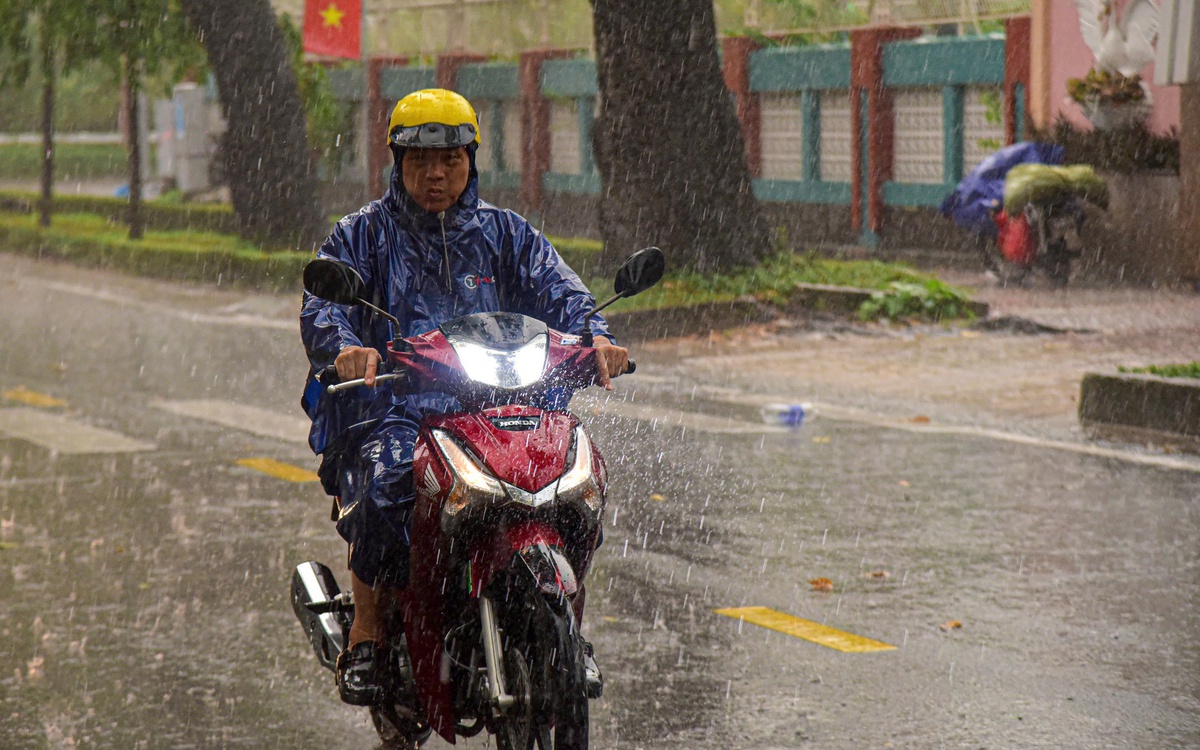
While the number of typhoons and tropical depressions in the East Sea is predicted to be lower than average (8-10 storms, with 3-5 affecting the mainland), Khiêm cautioned that these storms could be unusually strong and erratic. They pose a risk of causing extreme rainfall, localized flooding, flash floods, and landslides. The storm season typically peaks from July to September in the north and October to November in the central region.
The number of storms is low, but there is still a risk of strong, unusually developing storms, causing extreme heavy rain, potentially causing localized flooding, flash floods, and landslides.
DistantNews Editorial
Originally published by Thanh Niên in Vietnamese. Translated, summarized, and contextualized by our editorial team with added local perspective. Read our editorial standards.
More Stories

From Our Blog

What Gets Lost (and Found) When News Is Translated

The Critical Role of Diaspora Media in Global News

What Travellers Should Know About Countries with Restricted Press

A Digital Nomad's Guide to Following Local News

How the Same Story Looks Different in Different Countries
