


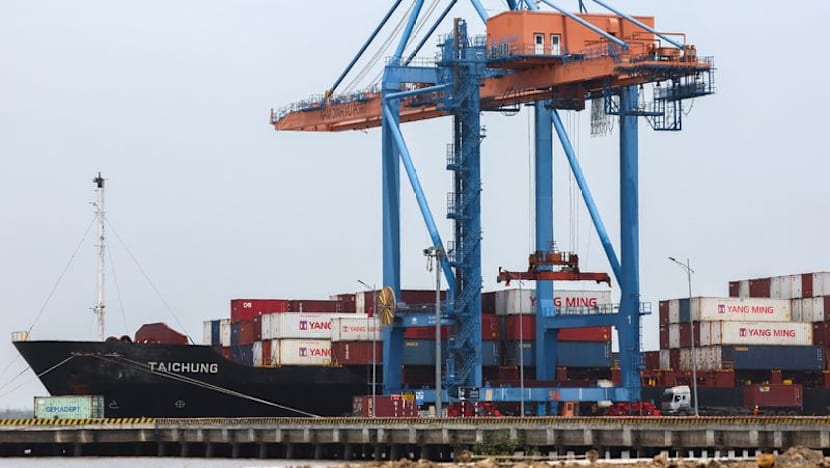
Vietnam July trade deficit widens, driven by higher fuel costs
Summarized and contextualized by DistantNews.
At a glance
News
Sources not specified
New plan
- Vietnam's trade deficit widened in July, reaching $2.4 billion.
- This increase was primarily driven by higher fuel import costs.
- Exports grew by 3.6% year-on-year, while imports rose by 1.4% in the same period.
Vietnam's trade deficit expanded in July, signaling increased pressure on its economy due to rising fuel costs. The country recorded a deficit of $2.4 billion for the month, a notable shift from the previous year. This widening gap underscores the impact of global energy price fluctuations on Vietnam's import-dependent economy.
Despite the growing deficit, Vietnam's export sector showed resilience, with a year-on-year increase of 3.6%. This growth indicates continued demand for Vietnamese goods in international markets. However, import costs surged by 1.4% during the same period, largely fueled by the need for more expensive petroleum products. The disparity between export growth and import cost increases contributed significantly to the negative trade balance.
The trend highlights the challenges Vietnam faces in managing its trade performance amidst volatile global commodity markets. While the country continues to be a strong exporter, the rising cost of essential imports, particularly fuel, presents an ongoing economic hurdle. Authorities are likely monitoring these trends closely as they impact inflation and overall economic stability.
DistantNews Editorial
Originally published by CNA. Summarized and contextualized by our editorial team with added local perspective. Read our editorial standards.
More Stories


From Our Blog

What Gets Lost (and Found) When News Is Translated

The Critical Role of Diaspora Media in Global News

What Travellers Should Know About Countries with Restricted Press

A Digital Nomad's Guide to Following Local News

How the Same Story Looks Different in Different Countries
