

Vietnam lawmakers debate apartment building terms, property rights
Translated from Vietnamese, summarized and contextualized by DistantNews.
At a glance
News
Named sources
Context piece
- Vietnamese lawmakers debated the concept of "limited-term apartment buildings," arguing that the expiration of a building's use period should not extinguish property rights of apartment owners.
- Proposals suggest that when a building is deemed unsafe and requires demolition, owners' property rights should be preserved and potentially converted into rights for a new building.
- Discussions also focused on establishing clear mechanisms for owner contributions towards rebuilding, considering financial capabilities and ensuring continued housing for vulnerable residents.
A debate is unfolding in Vietnam's National Assembly regarding the terminology and implications of "limited-term apartment buildings." Lawmakers are pushing to abolish the phrase, arguing that while buildings have a lifespan and may require demolition due to safety concerns, this process should not nullify the legitimate property rights of apartment owners.
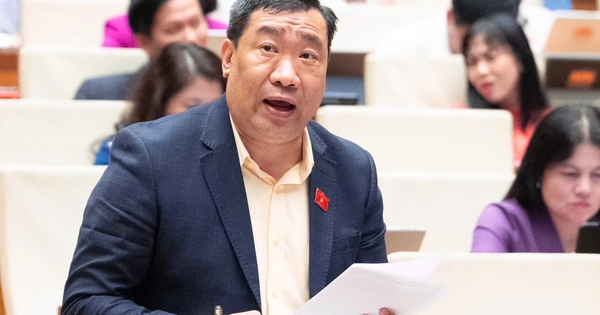
Thạch Phước Bình, a delegate from Vĩnh Long province, proposed that the expiration of a building's use period should not automatically terminate owners' property rights. He emphasized the need to distinguish between a building's "term of use" and the concept of a "limited-term apartment building." While acknowledging that unsafe structures must be demolished and residents relocated, Bình argued that the building's demise should not render owners' assets worthless.
We must have a sufficiently strong mechanism to demolish a dangerous building, but we cannot let the legitimate property of the people be demolished along with it.
Bình suggested incorporating a principle into the law that preserves owners' property rights when a building is demolished. He also called for clear mechanisms for residents to contribute financially to reconstruction, specifying contribution levels, payment schedules, and the required consensus percentage. Crucially, he raised concerns about how to address the rights of individuals unable to afford reconstruction costs, ensuring they are not left without housing.
Delegate Tạ Văn Hạ from Đà Nẵng province offered a counterpoint, suggesting that clearly defined usage periods, such as 70 or 90 years, could create a new housing segment. He posited that apartments with limited terms might be more accessible to lower-income individuals, potentially costing half as much as those considered "permanent." However, he agreed that the duration of a building's use and an owner's property rights are distinct concepts that should not be confused. Delegate Vương Kim Ánh from Phú Thọ province echoed the sentiment that property rights must be preserved during demolition.
Those who do not have the economic conditions, instead of having to spend 4 billion VND to own long-term, they can choose to buy an apartment with a limited term at a price of about 2 billion VND.
DistantNews Editorial
Originally published by Thanh Niên in Vietnamese. Translated, summarized, and contextualized by our editorial team with added local perspective. Read our editorial standards.
More Stories



From Our Blog

What Gets Lost (and Found) When News Is Translated

The Critical Role of Diaspora Media in Global News

What Travellers Should Know About Countries with Restricted Press

A Digital Nomad's Guide to Following Local News

How the Same Story Looks Different in Different Countries
