

Vietnam Revives Nuclear Power Plans in Khánh Hòa for Energy Security
Translated from Vietnamese, summarized and contextualized by DistantNews.
At a glance
News
Sources not specified
Ongoing story
- Vietnam is reviving plans for nuclear power plants in Khánh Hòa province, specifically Ninh Thuận 1 and Ninh Thuận 2, to ensure national energy security.
- The government aims for double-digit economic growth from 2026, requiring significant electricity supply increases as traditional sources face limitations.
- The project, previously halted in 2016, has been officially restarted with new resolutions and policies to create a favorable legal framework, with EVN and Petrovietnam appointed as developers.
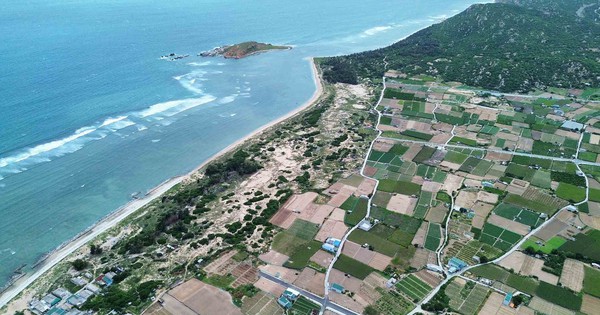
Vietnam is strategically re-engaging with nuclear power, aiming to establish plants in Khánh Hòa province to bolster national energy security amidst ambitious economic growth targets. The government's push to restart research and resource preparation for nuclear energy underscores a new phase in realizing the nation's strategic and green economic objectives. The proposed sites are Nhà máy điện hạt nhân Ninh Thuận 1 in Phước Dinh and Nhà máy điện hạt nhân Ninh Thuận 2 in Vĩnh Hải, which are located near the coast with relatively flat terrain and sparse populations.
With Vietnam targeting double-digit economic growth from 2026, electricity demand is projected to rise by 12-14% annually. Traditional power sources are reaching their limits: hydropower potential is nearly exhausted, coal power faces emission pressures, and solar and wind energy are weather-dependent. Nuclear power, offering stable 24/7 generation and near-zero carbon emissions, is thus positioned as a crucial strategic option. This initiative aligns with Politburo Resolution No. 70, issued August 20, 2025, which calls for the urgent implementation of the Ninh Thuận 1 and Ninh Thuận 2 nuclear projects.
The initial plan for nuclear power was approved by the National Assembly in 2009, but the projects were temporarily suspended in 2016 due to objective reasons. A significant step towards revival occurred on November 30, 2024, when the National Assembly passed Resolution No. 174/2024/QH15, officially restarting the project. Further momentum was gained on February 19, 2025, with Resolution No. 189/2025/QH15, which established special mechanisms and policies to create an advantageous legal corridor. The government followed up on August 22, 2025, with Resolution No. 249/NQ-CP, outlining a plan with 10 specific tasks for relevant ministries and localities. Most recently, on December 5, 2024, General Secretary and President Tô Lâm visited the site for Nhà máy điện hạt nhân Ninh Thuận 1, stressing the need for prompt and effective planning to avoid delays and waste.
The leadership structure for the project is also being solidified. At a meeting on February 4, 2025, the Electricity of Vietnam (EVN) was assigned to lead the Ninh Thuận 1 plant, while the Vietnam Oil and Gas Group (Petrovietnam) will head the Ninh Thuận 2 plant, with a target completion date before December 31, 2030. The Ministry of Industry and Trade will serve as the central coordinator, working with other ministries to advance all preparatory stages. The development includes plans for resettlement areas, such as the one pictured for the nuclear power plant.
DistantNews Editorial
Originally published by Thanh Niên in Vietnamese. Translated, summarized, and contextualized by our editorial team with added local perspective. Read our editorial standards.
More Stories
From Our Blog

What Gets Lost (and Found) When News Is Translated

The Critical Role of Diaspora Media in Global News

What Travellers Should Know About Countries with Restricted Press

A Digital Nomad's Guide to Following Local News

How the Same Story Looks Different in Different Countries
