

Vietnam's 'afternoon tea culture': Is declining group orders seen as unsociable?
Translated from Vietnamese, summarized and contextualized by DistantNews.
At a glance
In-depth
Sources not specified
Context piece
- Many young Vietnamese professionals feel pressured to participate in "afternoon tea culture," spending money on snacks and drinks with colleagues.
- While some see it as a way to bond and improve workplace relationships, others find it a financial strain.
- Companies are increasingly offering allowances or dedicated spaces for these social activities.
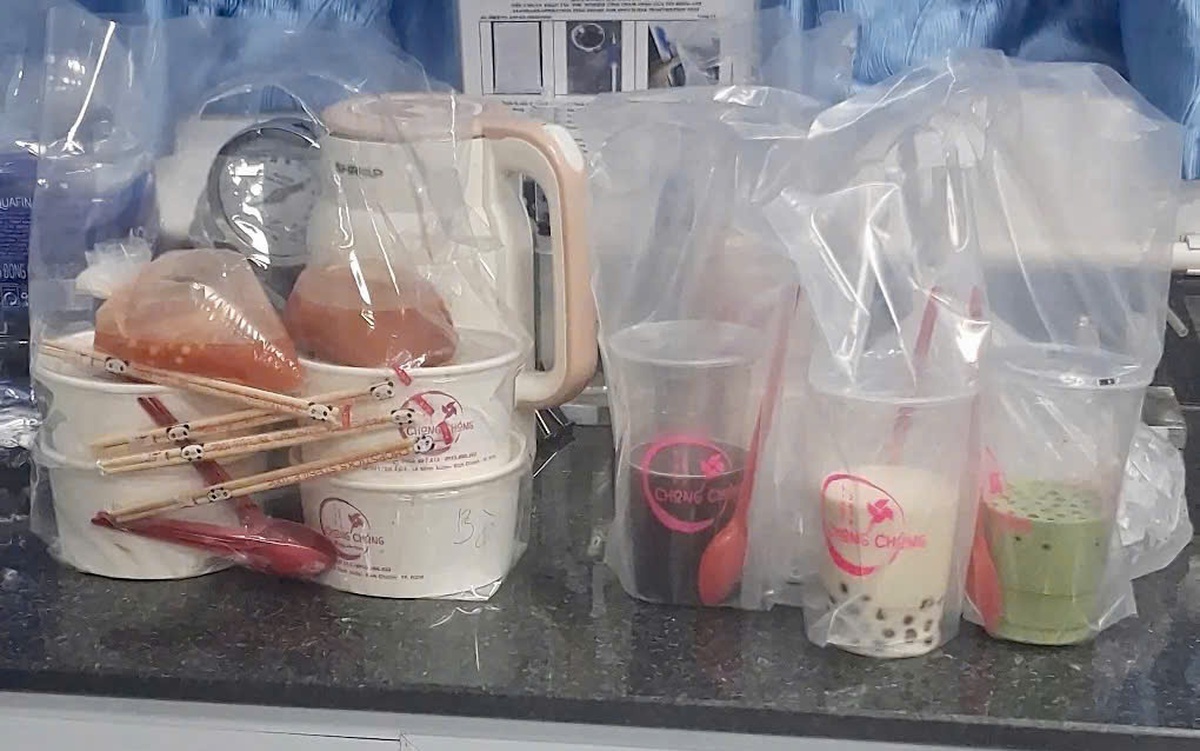
A growing trend among young professionals in Vietnam, particularly in Ho Chi Minh City, involves a daily ritual of ordering snacks and drinks like milk tea or coffee with colleagues, often referred to as "afternoon tea culture." While intended to foster camaraderie, this practice is creating financial pressure for some, especially those new to the workforce.
One 25-year-old intern, Ngọc Ánh, shared that her monthly salary of 3 million Vietnamese dong was often exceeded by her spending on these daily outings. She felt compelled to join, fearing she would be seen as unsociable if she declined. However, Ánh also acknowledged that these shared moments helped her build better relationships with her colleagues, ultimately contributing to her securing a full-time position without a formal interview.
Bảo Linh, 23, estimates spending around 800,000 Vietnamese dong per month on this culture. She admitted feeling pressure as a newcomer but ultimately made the decision based on her own preferences. Linh noted that her company, like many others, now offers allowances for lunch or afternoon snacks, viewing it as a perk to enhance employee experience.
Trước đây mình thực tập, lương 3 triệu đồng, nhưng trưa nào anh chị cũng rủ cà phê. Cuối tháng, tiền ăn uống còn hơn cả tiền lương.
Other employees, like Khánh Hà, 24, find the practice less obligatory, with orders often initiated by individual desire rather than group pressure. She mentioned that while she initially felt out of place not participating, she grew accustomed to it. Hà's company typically orders together for convenience, to save on delivery fees, and to utilize discount codes, often during special occasions like birthdays or farewells, rather than as a daily requirement.
While some older employees recall a time when such practices were uncommon, younger workers often feel the financial and social pressure to conform. The trend highlights a shift in workplace social dynamics, with companies attempting to balance these informal social costs with employee benefits.
Lúc mới đi làm tôi từng thấy hơi “lạc lõng” khi mọi người cùng gọi nước còn mình không tham gia, nhưng cảm giác đó dần dần rồi cũng quen.
DistantNews Editorial
Originally published by Tuổi Trẻ in Vietnamese. Translated, summarized, and contextualized by our editorial team with added local perspective. Read our editorial standards.
More Stories

From Our Blog

What Gets Lost (and Found) When News Is Translated

The Critical Role of Diaspora Media in Global News

What Travellers Should Know About Countries with Restricted Press

A Digital Nomad's Guide to Following Local News

How the Same Story Looks Different in Different Countries
