


Vietnam: Small Businesses Urge Tax Threshold Adjustment Amidst Invoicing Woes
Translated from Vietnamese, summarized and contextualized by DistantNews.
TLDR
- Vietnamese small businesses are struggling with new tax regulations, particularly regarding electronic invoices.
- Merchants find it difficult to issue electronic invoices for daily transactions in traditional markets.
- Experts suggest adjusting the tax-free revenue threshold and offering more flexible tax calculation methods.
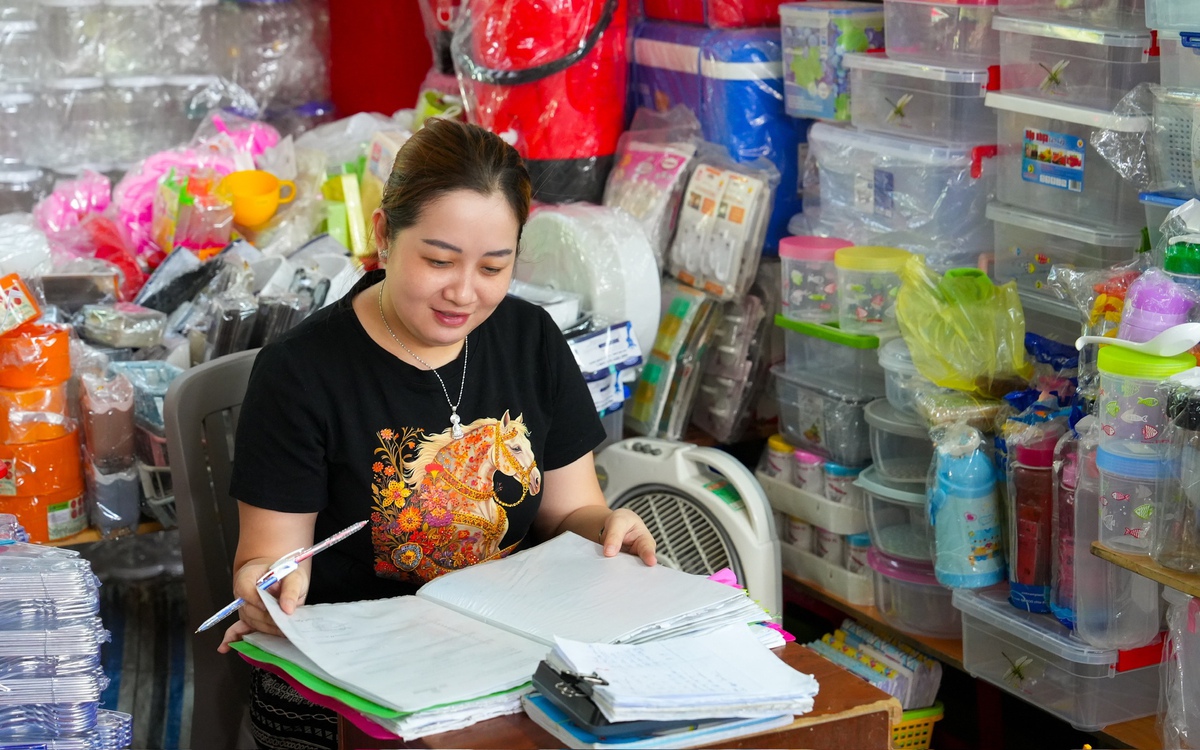
Small business owners in Vietnam are voicing concerns over the practical implementation of new tax policies, particularly the mandate for electronic invoices. For many, especially those operating in traditional markets like Ms. Ngan, a fresh food vendor in Hanoi, the requirement to issue electronic invoices for every transaction is proving unfeasible. The nature of their business, involving numerous small sales to individual customers, makes real-time invoicing a logistical nightmare. Furthermore, the complexity of calculating taxes based on profit, when proof of expenses is difficult to obtain from small-scale suppliers, adds another layer of difficulty. Mr. Hung, a stationery shop owner, echoes these sentiments, arguing that the current revenue threshold for tax exemption is not suitable for all businesses and that tax calculation methods need to be more aligned with the reality of small-scale operations. Experts like Mr. Nguyen Van Duoc propose a tiered approach, suggesting a tax-free revenue threshold between 1 to 2 billion VND, differentiated by industry, to ensure fairness and support for small businesses while maintaining fiscal responsibility. The core issue revolves around adapting national tax regulations to the diverse and often informal economic landscape of small businesses across Vietnam.
My revenue exceeds 3 billion VND/year, so I have to calculate tax based on profit. But costs are very difficult to prove because the source of goods is from small-scale farmers, self-slaughtered, then sold directly to hundreds of customers each day. Output is even more impossible to issue invoices because customers do not provide information, and sellers cannot simultaneously weigh goods, cut bones, calculate money, and issue invoices in time.
DistantNews Editorial
Originally published by Tuổi Trẻ in Vietnamese. Translated, summarized, and contextualized by our editorial team with added local perspective. Read our editorial standards.
More Stories

From Our Blog

What Gets Lost (and Found) When News Is Translated

The Critical Role of Diaspora Media in Global News

What Travellers Should Know About Countries with Restricted Press

A Digital Nomad's Guide to Following Local News

How the Same Story Looks Different in Different Countries
