

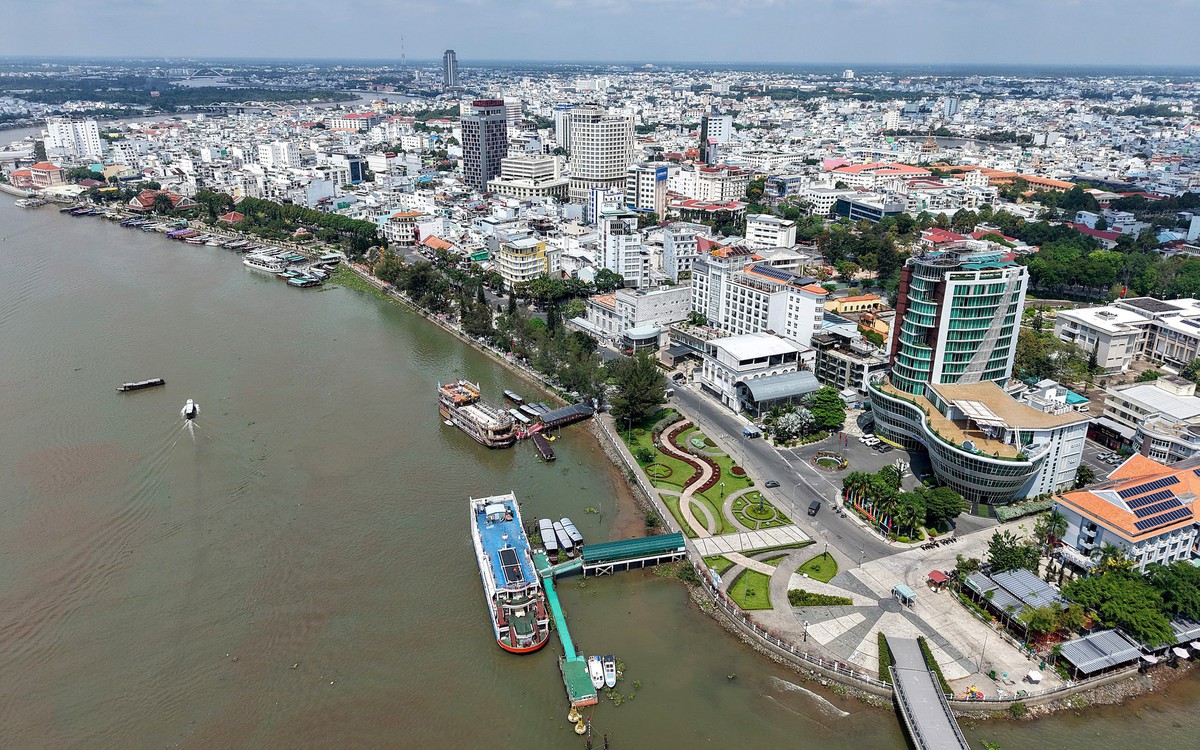

Vietnamese Consumers Tighten Wallets Amidst Rising Prices, But Remain Open to New Products
Translated from Vietnamese and summarized by DistantNews. Read the original for the full story.
At a glance
News
Named sources
Context piece
- Vietnamese consumer spending on non-essential items declined in 2026, with 57% tightening their budgets compared to 43% in 2025.
- Despite reduced spending, the Fast-Moving Consumer Goods (FMCG) market saw growth driven by price increases rather than higher sales volume.
- Vietnamese consumers prioritize health-conscious products and remain open to trying new brands, with 92% willing to experiment with new products.
In Vietnam, the consumer landscape is shifting, with a notable increase in the number of people tightening their belts. Our survey indicates that 57% of consumers are now more cautious with their spending, a significant rise from 43% last year. This caution is leading shoppers to prioritize essential goods, cut back on luxury purchases, and increasingly cook at home to save money. Many are also actively seeking out promotions online or postponing non-essential buys.
Consumer spending is tightening, and 57% of Vietnamese consumers are willing to try new products.
Despite this trend towards frugthening, the market for Fast-Moving Consumer Goods (FMCG) in Vietnam is still showing growth. However, this expansion is largely fueled by price hikes, not by an increase in the actual volume of goods sold. NielsenIQ data reveals that while the market grew by approximately 1.7% in 2025, the real volume decreased by 1.1%. This highlights a challenging environment where businesses are raising prices to maintain revenue in the face of subdued consumer demand.
The growth in the FMCG market in 2025 was mainly due to price increases, not an increase in actual sales volume.
Interestingly, even with tighter budgets, Vietnamese consumers demonstrate a strong willingness to explore new products. A remarkable 92% of respondents stated they are open to trying new brands or products if they meet their needs and offer an engaging experience. This openness, coupled with a growing preference for health-oriented items, suggests opportunities for innovative brands that can cater to these evolving consumer desires. The market saw around 18,000 new products launched in the past year, reflecting this dynamic.
92% of Vietnamese consumers are willing to try new brands or products if they meet their needs and offer an interesting experience.
From a local perspective, the emphasis on health and quality over price is a significant trend. 86% of Vietnamese consumers now state they prioritize quality above all else. Products with lower sugar content, those that promote good health, offer nutritional benefits, or are personalized are gaining traction. This aligns with a broader societal shift towards well-being and conscious consumption. Furthermore, the discussion around ESG (Environmental, Social, and Governance) is gaining momentum, though many businesses still misunderstand its practical application. As highlighted by Ms. Nguyen Cam Chi, the focus for multinational corporations like Apple and Samsung is less on expensive certifications and more on fundamental labor regulations, anti-bribery measures, and waste management. This practical approach to sustainability is crucial for Vietnamese businesses aiming to compete globally, as emphasized by Ms. Vu Kim Hanh, President of the High-Quality Vietnamese Goods Business Association. Sustainable development is no longer an option but a necessity for global market participation.
Many multinational corporations do not focus heavily on expensive certifications but are more concerned with basic requirements such as labor regulations, anti-bribery, and waste management.
About this summary
Originally published by Tuổi Trẻ in Vietnamese. Translated, summarized, and contextualized automatically by DistantNews, with a note on how the source frames the story. Not individually reviewed before publishing. How this works.
More Stories


From Our Blog

News in Translation: What Gets Lost, and How We Keep the Framing

Diaspora Media: How Communities Abroad Follow Home

Traveling Where the Press Is Not Free: How to Read the News There

The Digital Nomad's Guide to Local News

The Same Story, Different Countries: How Coverage Changes at the Border
