


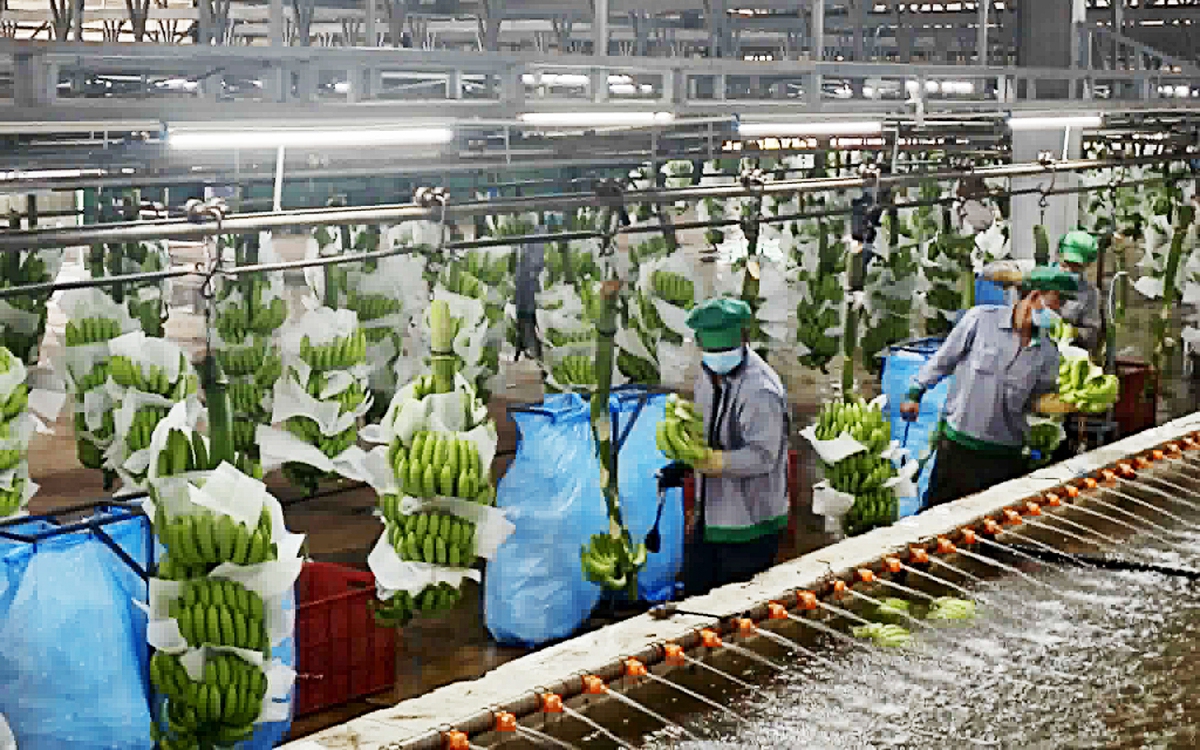
Vietnamese Goods in ASEAN Chain: Many Opportunities and Competitive Pressure from Nearby Markets
Translated from Vietnamese, summarized and contextualized by DistantNews.
At a glance
News
Sources not specified
Context piece
- Vietnamese goods like durian, milk, and fertilizer are expanding into Cambodia, Laos, and Thailand due to geographical advantages and lower costs.
- While trade routes open, Vietnamese businesses face increased competition within their domestic market.
- Companies like Vinamilk are investing in local production and distribution in Cambodia, adapting products to local tastes to secure long-term market presence.
Vietnamese products, ranging from durian and milk to fertilizers, are increasingly finding their way into neighboring markets like Cambodia, Laos, and Thailand. This expansion is driven by Vietnam's geographical proximity and competitive pricing, transforming these countries into accessible "near markets" for Vietnamese enterprises.
The development of transportation networks, including the East-West Economic Corridor and Mekong cooperation mechanisms, is directly impacting agricultural prices, logistics costs, and the overall competitiveness of Vietnamese businesses. Key transport routes connect major Vietnamese economic hubs to Phnom Penh and Bangkok, facilitating the movement of agricultural products, processed foods, consumer goods, and agricultural supplies.
This "near market" strategy allows Vietnamese companies to test the waters with smaller shipments, gauge customer reactions, and adjust packaging and distribution channels before committing to larger-scale operations. This contrasts with distant markets, which require substantial orders, higher standards, longer shipping times, and increased risks of inventory and payment issues.
In Cambodia, Vietnamese processed foods, spices, coffee, milk, beverages, and confectionery have already established a notable presence. Vinamilk's joint venture, Angkor Milk, exemplifies this approach by investing in local manufacturing and branding in Cambodia, developing products tailored to local preferences, and integrating the Cambodian market into its long-term business strategy. This proactive engagement is crucial as Vietnam aims to leverage regional trade agreements and its strategic location.
From June onwards, Thailand's durian production significantly decreases while Vietnam enters its peak season. This is the time for Vietnamese goods to penetrate the regional market more deeply, with many businesses exporting frozen durian to Thailand in large volumes.
DistantNews Editorial
Originally published by Tuổi Trẻ in Vietnamese. Translated, summarized, and contextualized by our editorial team with added local perspective. Read our editorial standards.
More Stories


From Our Blog

What Gets Lost (and Found) When News Is Translated

The Critical Role of Diaspora Media in Global News

What Travellers Should Know About Countries with Restricted Press

A Digital Nomad's Guide to Following Local News

How the Same Story Looks Different in Different Countries
