


Vietnamese Workers Need More Than Just Wages, Unions Told
Translated from Vietnamese, summarized and contextualized by DistantNews.
At a glance
News
Named sources
Context piece
- Vietnamese labor unions must adapt to new economic models and prioritize workers' needs.
- Strengthening dialogue and addressing worker concerns early are key to preventing disputes.
- Housing remains a major concern for workers, with unions urged to facilitate access to social housing programs.
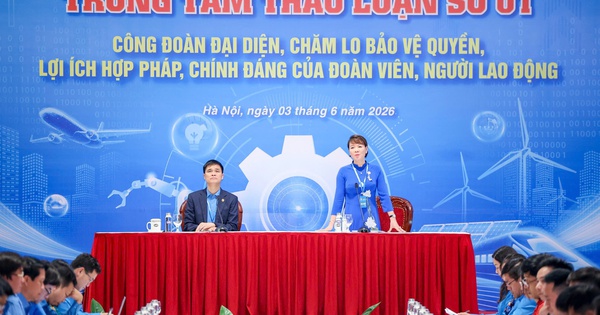
Labor unions in Vietnam must evolve to meet the challenges of the digital economy and new employment models, with a focus on genuinely representing and supporting workers. This was a key theme at a discussion on how unions can protect legitimate rights and interests, aiming to foster harmonious labor relations and prevent disputes.
Nguyễn Thành Đô, director of the Legal Consultation Center under the Ho Chi Minh City Labor Confederation, stressed that unions need to innovate in both content and methods. Workers must be placed at the center of all union activities. This requires union officials to possess not only legal knowledge but also strong dialogue and negotiation skills, along with the ability to understand workers' aspirations.
Workers will only turn to the union if they believe their voices are heard and their issues will be followed through to resolution.
Improving dialogue within businesses is crucial. Union officials should proactively identify and address minor worker grievances before they escalate into complex issues. This proactive approach was echoed by union leaders at companies with large workforces. Bùi Văn Trường, chairman of the Luxshare Company Union in Bắc Ninh, stated that workers should be fully informed about their rights and the union's role from the moment they are hired. Regular dialogues are essential for workers to voice concerns and receive timely responses.
If the housing issue is resolved, workers will be more inclined to stay with their companies long-term.
"Workers will only turn to the union if they believe their voices are heard and their issues will be followed through to resolution," Trường said. To achieve this, unions should diversify communication channels, including face-to-face meetings, suggestion boxes, and anonymous reporting systems, allowing workers to speak up without fear of repercussions.
Housing remains a significant concern for Vietnamese workers. Unions are called upon to act as intermediaries, helping workers access social housing programs and long-term rental options. "If the housing issue is resolved, workers will be more inclined to stay with their companies long-term," shared Nguyễn Anh Ngọc, chairman of the Canon VN Company Union. Additionally, building cultural facilities for workers has been a long-standing demand, aiming to enhance spiritual life, foster a civilized work environment, and strengthen the bond between workers, businesses, and unions.
Union officials need to proactively grasp the thoughts and aspirations of workers from the beginning, not letting small frustrations accumulate into complex incidents.
DistantNews Editorial
Originally published by Thanh Niên in Vietnamese. Translated, summarized, and contextualized by our editorial team with added local perspective. Read our editorial standards.
More Stories


From Our Blog

What Gets Lost (and Found) When News Is Translated

The Critical Role of Diaspora Media in Global News

What Travellers Should Know About Countries with Restricted Press

A Digital Nomad's Guide to Following Local News

How the Same Story Looks Different in Different Countries
