

/nginx/o/2026/07/26/17807640t1hf4a1.jpg)
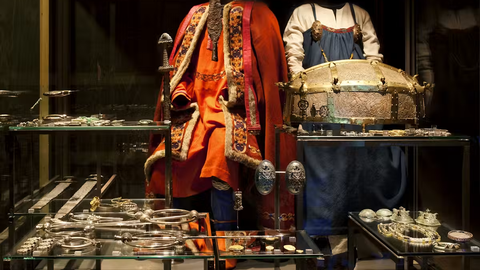
Viking Age misunderstood: Reality was more diverse than warrior myths suggest
Translated from Estonian, summarized and contextualized by DistantNews.
At a glance
In-depth
Named sources
Context piece
- The common perception of Vikings as solely warriors with swords and ships is too simplistic, according to a new perspective.
- The reality of the Viking Age was far more diverse, including farmers, merchants, women, and complex cultural exchanges.
- Museums are working to broaden this image while acknowledging the myths that draw visitors, creating a blend of history, national identity, and modern values.
The popular image of Vikings, often confined to fierce warriors wielding swords and sailing longships, fails to capture the true complexity of their era. A deeper look reveals a society far more diverse than commonly portrayed, encompassing farmers, skilled craftspeople, and active merchants, with women playing significant roles. Furthermore, the Viking Age was characterized by extensive and intricate cultural interactions across vast regions.
Museums across Scandinavia are striving to present a more nuanced and accurate portrayal of Viking life. They aim to move beyond the stereotypical warrior image, showcasing the multifaceted nature of their civilization. However, this effort is balanced against the enduring appeal of Viking myths, which continue to attract public interest and fill exhibition halls.
This delicate balance results in exhibitions that present a unique fusion of historical fact, evolving national self-perception, and contemporary values. Museologist Julia Håkansson from Lund University offers an overview of how the depiction of Vikings today reflects not only the past but also the present-day perspectives of those curating these narratives. The way Vikings are presented reveals much about current societal views and interpretations.
DistantNews Editorial
Originally published by Postimees in Estonian. Translated, summarized, and contextualized by our editorial team with added local perspective. Read our editorial standards.
More Stories

/nginx/o/2026/07/13/17780690t1h736b.jpg)

From Our Blog

What Gets Lost (and Found) When News Is Translated

The Critical Role of Diaspora Media in Global News

What Travellers Should Know About Countries with Restricted Press

A Digital Nomad's Guide to Following Local News

How the Same Story Looks Different in Different Countries
