


Voigt Plans Further Deregulation in Thuringia with Second Bill
Translated from German, summarized and contextualized by DistantNews.
At a glance
News
Named sources
New plan
- Thuringia's state government plans further deregulation to reduce bureaucracy, focusing on less control and more trust.
- A second deregulation bill is expected to be presented to the state parliament by the end of the year.
- The government aims to ease burdens on craft businesses and SMEs, speed up approval processes, and enhance digitalization.
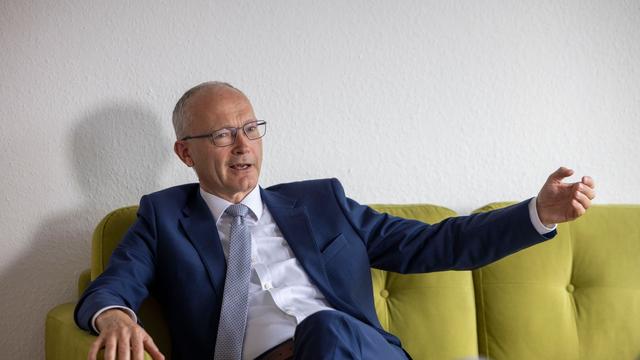
Thuringia's state government is committed to further reducing bureaucratic hurdles, with a focus on implementing a 'less control, more trust' approach. Minister-President Mario Voigt announced that the government intends to conduct risk assessments to determine where controls are truly necessary, thereby easing the administrative load on both government bodies and citizens.
We want to have controls only where they are truly necessary.
Voigt, a member of the CDU, indicated that a second bill aimed at deregulation will be submitted to the state parliament before the year concludes. The cabinet is scheduled to discuss the draft legislation in September, signaling a continued commitment to the reform process. This follows the passage of the first Thuringian Relief Act at the end of June.
The upcoming legislative efforts will concentrate on alleviating bureaucratic requirements for the craft sector and small and medium-sized enterprises (SMEs). Key objectives include accelerating approval procedures for all sectors, advancing the digitalization of public administration, and streamlining reporting and documentation obligations. Voigt also expressed a desire to improve the services offered by tax offices, envisioning them as more 'citizen- and business-friendly.'
We will first discuss the second draft bill in the cabinet in September. We want to stay on track with the reform process.
While the first deregulation law introduced changes such as modifying the building code to allow master craftspeople and technicians to submit building applications for certain projects, and modernizing the verification of fund usage, not all government plans were realized. The initial legislative round faced challenges in securing parliamentary majorities for certain proposals, including an experimental rule that would have allowed municipalities to deviate from existing standards.
citizen- and business-friendly tax offices
DistantNews Editorial
Originally published by Die Zeit in German. Translated, summarized, and contextualized by our editorial team with added local perspective. Read our editorial standards.
More Stories



From Our Blog

What Gets Lost (and Found) When News Is Translated

How the Same Story Looks Different in Different Countries

The Critical Role of Diaspora Media in Global News

What Travellers Should Know About Countries with Restricted Press

A Digital Nomad's Guide to Following Local News
