

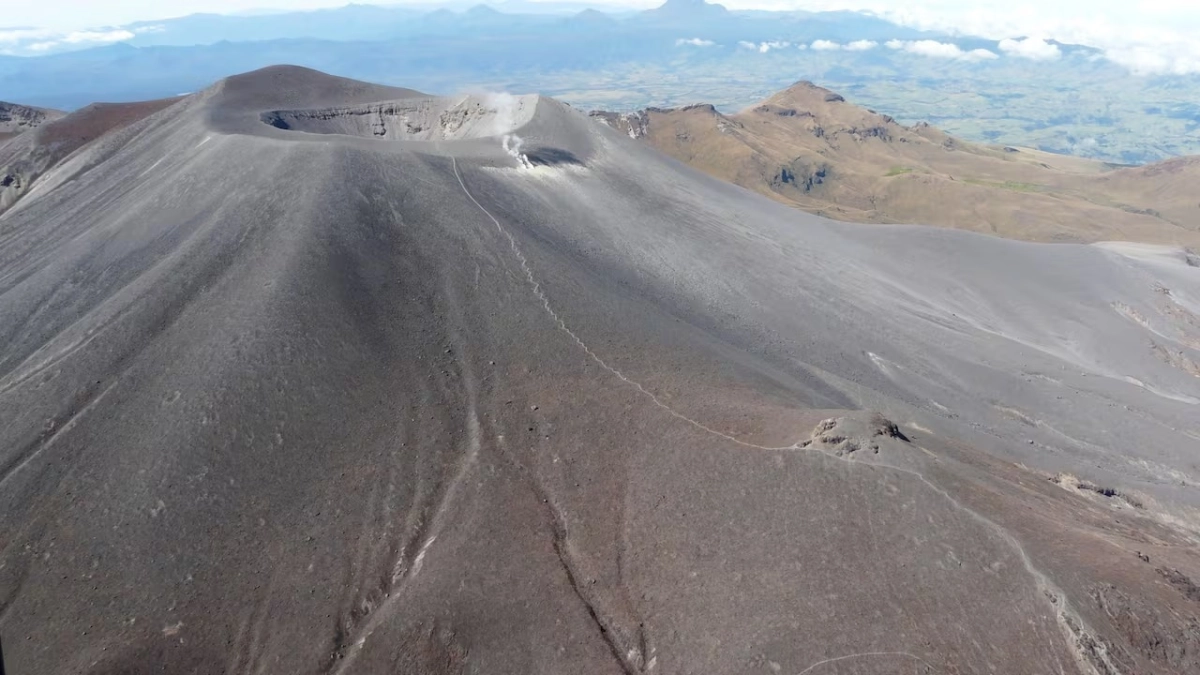
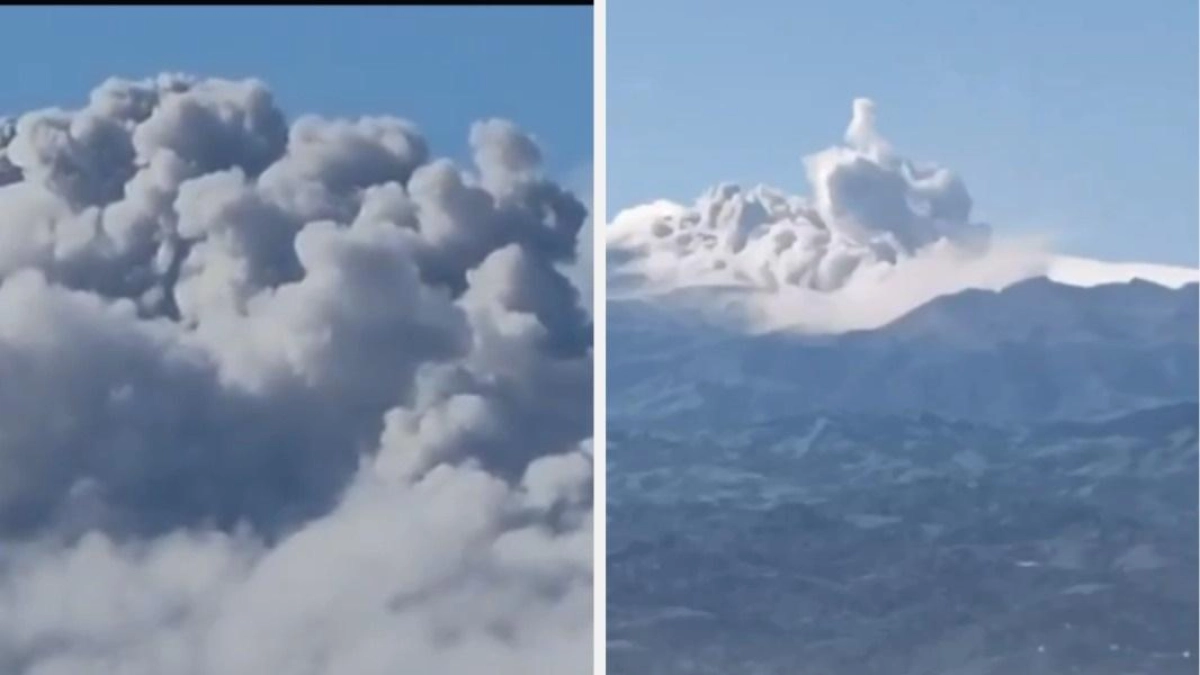
Volcanic Ash Closes Popayán Airport, Delaying Flights; Puracé Volcano Activity Cited
Translated from Spanish, summarized and contextualized by DistantNews.
At a glance
News
Sources not specified
Ongoing story
- The Popayán airport has temporarily closed due to volcanic ash from the Puracé volcano.
- This closure has caused delays on several flight routes.
- Volcanic ash particles can compromise aircraft engine function, according to Aerocivil.
Several flight routes are experiencing delays following the temporary closure of the Popayán airport. The shutdown is a precautionary measure taken due to the presence of volcanic ash spewing from the nearby Puracé volcano. The ash poses a significant risk to aviation safety, as particles can damage aircraft engines. This is not the first time this year that flights have been disrupted by volcanic activity in the region.
According to Aerocivil, the national civil aviation authority, the ingestion of volcanic ash particles can severely compromise the proper functioning of aircraft engines. This necessitates the closure of airspace and airports when ash clouds drift over populated areas or flight paths. The current situation at Popayán highlights the ongoing challenges posed by volcanic activity in Colombia to air travel and the critical importance of monitoring and responding to such environmental hazards.
The repeated suspensions of flights due to volcanic ash underscore the vulnerability of air transport to natural phenomena in certain regions. Authorities are closely monitoring the Puracé volcano's activity to determine when it is safe to resume normal operations at the Popayán airport. The number of flight suspensions this year due to ashfall indicates a recurring issue that impacts connectivity and travel plans for passengers.
DistantNews Editorial
Originally published by El Tiempo in Spanish. Translated, summarized, and contextualized by our editorial team with added local perspective. Read our editorial standards.
More Stories

From Our Blog

What Gets Lost (and Found) When News Is Translated

The Critical Role of Diaspora Media in Global News

What Travellers Should Know About Countries with Restricted Press

A Digital Nomad's Guide to Following Local News

How the Same Story Looks Different in Different Countries
