


Volkswagen Cost-Saving Plan Rejected by Unions and German State of Lower Saxony; "Rescue Plan" Deemed Weak by Critics
Translated from Czech, summarized and contextualized by DistantNews.
At a glance
News
Unnamed sources
Context piece
- Employee representatives and the German state of Lower Saxony have rejected a cost-saving plan at the Volkswagen Group.
- Sources cited by Reuters and Süddeutsche Zeitung indicate the rejection of the proposed austerity measures.
- The move signals significant opposition to Volkswagen's strategy for financial recovery.
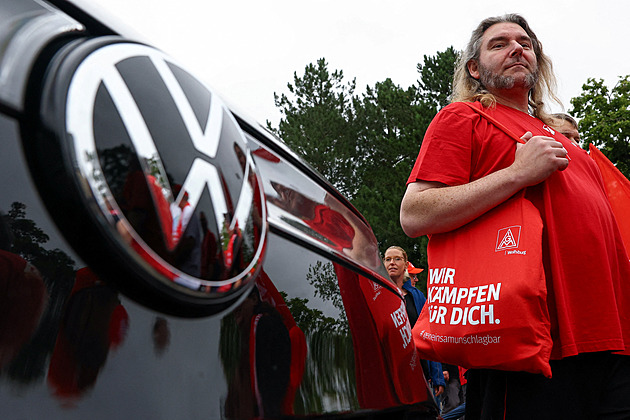
Employee representatives and the German state of Lower Saxony have rejected a proposed cost-saving plan for the Volkswagen Group, according to sources cited by Reuters and the German newspaper Süddeutsche Zeitung. This opposition casts doubt on the effectiveness of the company's "rescue plan," signaling a significant hurdle in the automotive giant's efforts to implement austerity measures.
The rejection highlights a deep division between management's financial goals and the concerns of the workforce and regional stakeholders. The specific details of the cost-saving plan have not been fully disclosed, but the strong negative reaction suggests it may involve significant cuts or changes that are unacceptable to employee representatives and the influential state of Lower Saxony, which is a major shareholder in Volkswagen.
This development underscores the complex internal politics at Volkswagen, where employee and state interests often play a crucial role in corporate decision-making. The pushback from these powerful groups could force management to reconsider or significantly revise the proposed savings, potentially delaying or altering the company's financial restructuring strategy. The outcome will be closely watched as it could impact job security, investment, and the future direction of the company.
DistantNews Editorial
Originally published by iDNES in Czech. Translated, summarized, and contextualized by our editorial team with added local perspective. Read our editorial standards.
More Stories



From Our Blog

What Gets Lost (and Found) When News Is Translated

The Critical Role of Diaspora Media in Global News

What Travellers Should Know About Countries with Restricted Press

A Digital Nomad's Guide to Following Local News

How the Same Story Looks Different in Different Countries
