


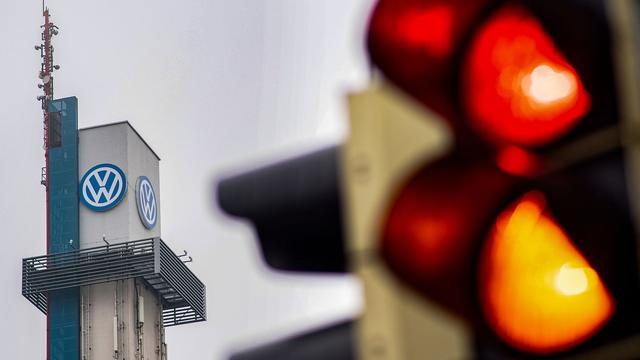

Volkswagen to sell Osnabrück plant for conversion into defense hub
Translated from German and summarized by DistantNews. Read the original for the full story.
At a glance
News
Named sources
New plan
- Volkswagen, Lower Saxony and investor Aurelius agreed on the outlines of a deal to convert the Osnabrück plant into a defense-industry center.
- The first project would produce air-defense systems made by Rafael, the Israeli company behind Iron Dome, while Aurelius would hold a majority stake and Lower Saxony a minority stake.
- About 1,200 of the plant’s roughly 1,800 employees would receive long-term prospects under the plan, while negotiations and efforts to secure the remaining jobs continue.
Volkswagen’s Osnabrück plant is set to become Germany’s first car factory converted into a defense-industry site. Lower Saxony and Israeli investor Aurelius agreed on the outlines of a deal to take over the facility and develop it into a center for defense production over the coming years.
The first planned project is the production of air-defense systems from Rafael, the Israeli manufacturer of the Iron Dome system. Aurelius, a fund specializing in defense projects, would take a majority stake, while the state of Lower Saxony would hold a minority stake. The parties said they would negotiate the details in the coming months.
Germany and Europe must strengthen their capabilities and become more independent. Lower Saxony wants to help ensure that this creates value and secure employment.
Volkswagen chief executive Oliver Blume called the agreement an important step toward a new industrial future for the site. Lower Saxony Premier Olaf Lies said the deal gave Osnabrück a genuine industrial opportunity. He said Germany and Europe needed to strengthen their capabilities and become more independent, while Lower Saxony wanted that effort to create value and secure employment.
The goal is a long-term industrial partnership, with the idea that the technology for protecting Germany and Europe will be produced entirely in Germany.
Rafael chief executive Yoav Tourgeman described the goal as a long-term industrial partnership under which technology designed to protect Germany and Europe would be produced entirely in Germany. Volkswagen works council chief Daniela Cavallo said about 1,200 of the plant’s approximately 1,800 employees would receive a long-term perspective. Efforts were continuing to find a solution for the rest of the permanent workforce.
The plant’s future became uncertain after Volkswagen decided in December 2024 to end production of the T-Roc Cabrio at the former Karmann factory in summer 2027. Volkswagen had examined alternatives, including a possible transfer to Rafael, but a direct sale was blocked by concerns from major shareholder Qatar. The planned joint structure involving Lower Saxony offers a more complicated route. IG Metall leader Christiane Benner said the agreement created opportunities but did not release Volkswagen from its responsibility to provide reliable prospects for the remaining employees.
Today’s step creates opportunities for the site, but it does not release Volkswagen from the task of providing reliable future prospects for the remaining employees.
About this summary
Originally published by Der Spiegel in German. Translated, summarized, and contextualized automatically by DistantNews, with a note on how the source frames the story. Not individually reviewed before publishing. How this works.
More Stories

From Our Blog

News in Translation: What Gets Lost, and How We Keep the Framing

The Same Story, Different Countries: How Coverage Changes at the Border

Diaspora Media: How Communities Follow News From Home

Traveling Where the Press Is Not Free: How to Read the News There

The Digital Nomad's Guide to Local News
