


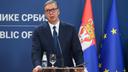
Vučić and Serbia’s students are fighting, but they think alike, with no democratic opposition in sight
Translated from Croatian and summarized by DistantNews. Read the original for the full story.
At a glance
Analysis
Sources not specified
New plan
- Serbia is expected to hold early parliamentary elections on Oct. 25, which the commentary describes as the country’s most important vote since Slobodan Milošević fell.
- Aleksandar Vučić has entered a pre-election campaign focused on promises to solve local problems and build infrastructure beyond the formal remit of the presidency.
- The commentary argues that students oppose Vučić without offering a pro-EU reform alternative, potentially leaving Serbia’s values and ideology unchanged even if he falls.
Serbia’s students in blockade do not want Aleksandar Vučić, but they are not demanding a new reformer to take the country toward the European Union either. That is the central contradiction facing Serbia before early parliamentary elections expected on Oct. 25.
They want Serbia on its knees
The vote is presented as the most important Serbian election since the fall of Slobodan Milošević. Vučić has spent weeks, and perhaps months, in what looks like an early campaign. He is touring Serbia, speaking with citizens and promising to solve their problems.
His promises include bridges, water systems and roads, projects that do not fall within the formal responsibilities of a head of state. The campaign relies on familiar slogans aimed at his Radical-to-Progressive political base: “They want Serbia on its knees,” “An attack on me is an attack on the state,” and “A great evil has descended on Serbia.”
An attack on me is an attack on the state
Yet the student movement’s rejection of Vučić does not, in this telling, amount to a demand for a different political direction. Without a democratic opposition offering a reformist, pro-European alternative, Vučić could fall while Serbia’s underlying values and ideology remain unchanged.
A great evil has descended on Serbia
About this summary
Originally published by Večernji List in Croatian. Translated, summarized, and contextualized automatically by DistantNews, with a note on how the source frames the story. Not individually reviewed before publishing. How this works.
More Stories


From Our Blog

What Gets Lost (and Found) When News Is Translated

The Critical Role of Diaspora Media in Global News

What Travellers Should Know About Countries with Restricted Press

A Digital Nomad's Guide to Following Local News

How the Same Story Looks Different in Different Countries
