

VW CEO Hints at Potential 50,000 Job Cuts by 2030
Translated from German, summarized and contextualized by DistantNews.
At a glance
News
Sources not specified
New plan
- Volkswagen CEO Oliver Blume has indicated that the company may cut up to 50,000 jobs globally by 2030.
- This potential reduction is in addition to 50,000 positions already accounted for in previous plans.
- Blume also expressed uncertainty about the future workload for several German plants, including those in Zwickau, Emden, and Hannover, as well as the Audi plant in Neckarsulm.
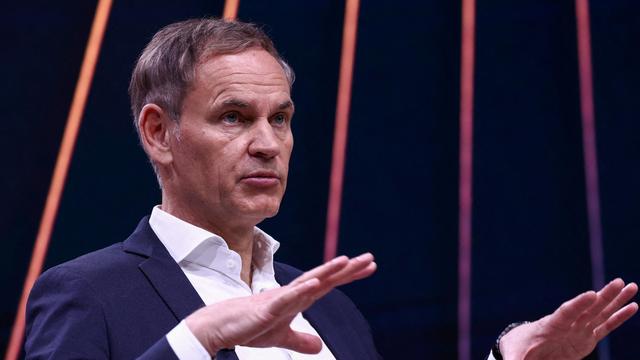
Volkswagen CEO Oliver Blume has publicly acknowledged the possibility of significant job cuts across the company, signaling a potential reduction of up to 50,000 positions worldwide by 2030. This figure is in addition to the 50,000 jobs already factored into earlier restructuring plans, suggesting a deepening concern over workforce size and efficiency.
In an internal interview, Blume addressed the scale of the planned job reductions for the first time, according to reports from Reuters and Der Spiegel. The comments indicate a serious reevaluation of Volkswagen's global operational footprint and labor costs as the automotive industry undergoes rapid transformation.
Furthermore, Blume specifically raised concerns about the future viability of several key Volkswagen and Audi production sites within Germany. He stated that the company cannot yet confirm competitive workloads for the VW plants in Emden, Hannover, and Zwickau, nor for the Audi facility in Neckarsulm. This uncertainty casts a shadow over the long-term employment prospects at these locations.
The automotive giant is navigating a challenging period marked by the transition to electric vehicles, increased competition, and evolving market demands. These factors are compelling manufacturers like Volkswagen to streamline operations and adapt their production strategies, which often involves difficult decisions regarding staffing levels.
The truth is also that we cannot yet confirm a competitive workload for the plants in Emden, Hannover, Zwickau, and Neckarsulm.
DistantNews Editorial
Originally published by Die Zeit in German. Translated, summarized, and contextualized by our editorial team with added local perspective. Read our editorial standards.
More Stories

From Our Blog

What Gets Lost (and Found) When News Is Translated

How the Same Story Looks Different in Different Countries

The Critical Role of Diaspora Media in Global News

What Travellers Should Know About Countries with Restricted Press

A Digital Nomad's Guide to Following Local News
