

Wage Deal Reached for Hamburg Wholesale and Foreign Trade Sector
Translated from German, summarized and contextualized by DistantNews.
At a glance
News
Named sources
Outcome reported
- Employees in Hamburg's wholesale and foreign trade sector will receive a 5% pay increase over two years.
- The agreement follows a similar deal reached in Bavaria and was negotiated between the Verdi union and the AGA business association.
- Negotiations were challenging, with Verdi initially seeking a 7% raise and employers offering 3.4%.
Workers in Hamburg's wholesale and foreign trade sector are set to receive a 5% pay increase spread across two years, following a recently concluded wage agreement. This settlement mirrors a prior agreement reached in Bavaria in July and was jointly announced by the United Services Union (Verdi) and the AGA Business Association.
The negotiations were difficult, but in the end, we succeeded in reaching an agreement.
The negotiations, which commenced in Hamburg on April 20, were marked by union-led warning strikes. Verdi had initially pushed for a 7% salary hike, while employers countered with an offer of 3.4%. The final agreement was reached during the fourth round of talks.
Verdi's lead negotiator, Heike Lattekamp, described the negotiations as difficult but ultimately successful in achieving a consensus. Michael Fink, the volunteer negotiator for the AGA Business Association, characterized the talks as tough yet focused. He noted that the agreement imposes significant costs on companies, particularly given the current market environment, which offers little room for growth.
The negotiations were tough but goal-oriented.
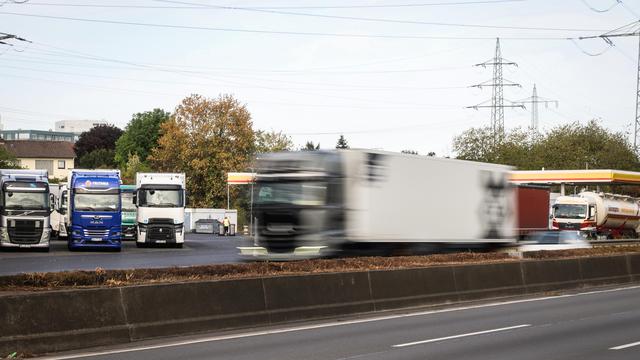
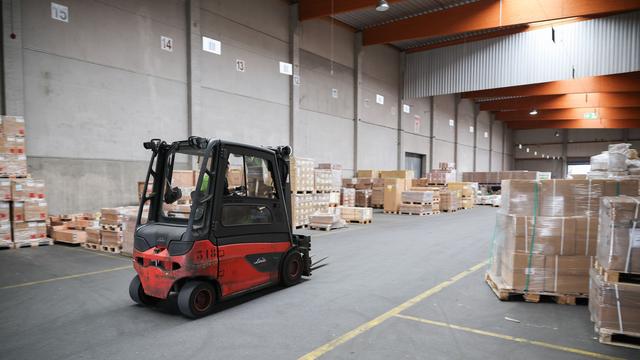
The wholesale and foreign trade sector in Hamburg is largely composed of medium-sized businesses. The agreement impacts employees at various companies, including pharmaceutical wholesalers, auto parts and steel dealers, as well as firms like Metro and Handelshof. Approximately 60,000 individuals are employed in this sector in Hamburg, according to figures from both negotiating parties.
The settlement costs the companies a lot.
DistantNews Editorial
Originally published by Die Zeit in German. Translated, summarized, and contextualized by our editorial team with added local perspective. Read our editorial standards.
More Stories

From Our Blog

What Gets Lost (and Found) When News Is Translated

How the Same Story Looks Different in Different Countries

The Critical Role of Diaspora Media in Global News

What Travellers Should Know About Countries with Restricted Press

A Digital Nomad's Guide to Following Local News
