

Warning for Brussels: Delaying Ukraine's accession could have grave consequences
Translated from Romanian, summarized and contextualized by DistantNews.
At a glance
Analysis
Sources not specified
Context piece
- European nations have stepped up military and financial aid to Ukraine after the U.S. halted its assistance, bolstering the Ukrainian army and imposing sanctions on Russia.
- Despite European efforts, Ukraine's EU accession process faces a significant delay, creating a "dangerous gap" between Kyiv's expectations and Brussels' reality.
- Analysts warn that delaying Ukraine's integration could have serious geopolitical consequences, urging the EU to prioritize its rapid and full inclusion into the bloc's security and political framework.
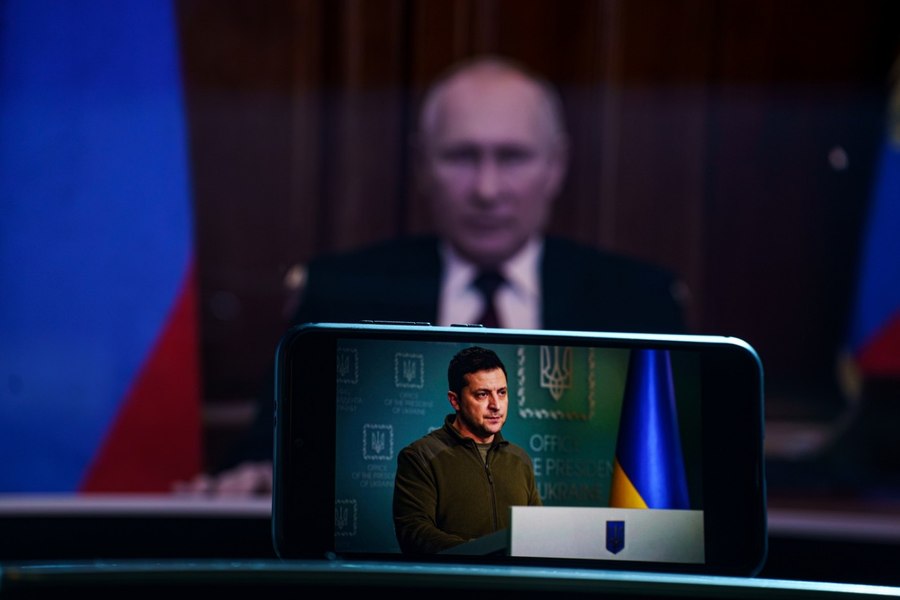
Europe has demonstrated remarkable resilience, stepping up to provide substantial military and financial aid to Ukraine after U.S. assistance was suspended. This coordinated European effort, detailed in an analysis by The Economist, has channeled significant funds and weaponry to the front lines and intensified sanctions against Russia. The resulting heavy losses for the Russian military are placing increasing pressure on the Kremlin and President Vladimir Putin.
However, with diplomatic efforts from Washington stalled, European capitals are beginning to consider a shift in leadership. Some voices are questioning whether it's time for Europe to initiate direct negotiations with the Russian leader. While such a moment might arise, it is not yet here. The immediate pressing question for Europe is redefining its relationship with Ukraine, which has evolved from a mere "protectorate" of the West into a crucial security partner. The battle-hardened Ukrainian army is achieving tactical successes, and its defense industry is demonstrating innovative technological growth.
If Europe truly wants to secure its borders and reduce its historical dependence on transatlantic support, it needs Ukraine as much as Ukraine needs Europe.
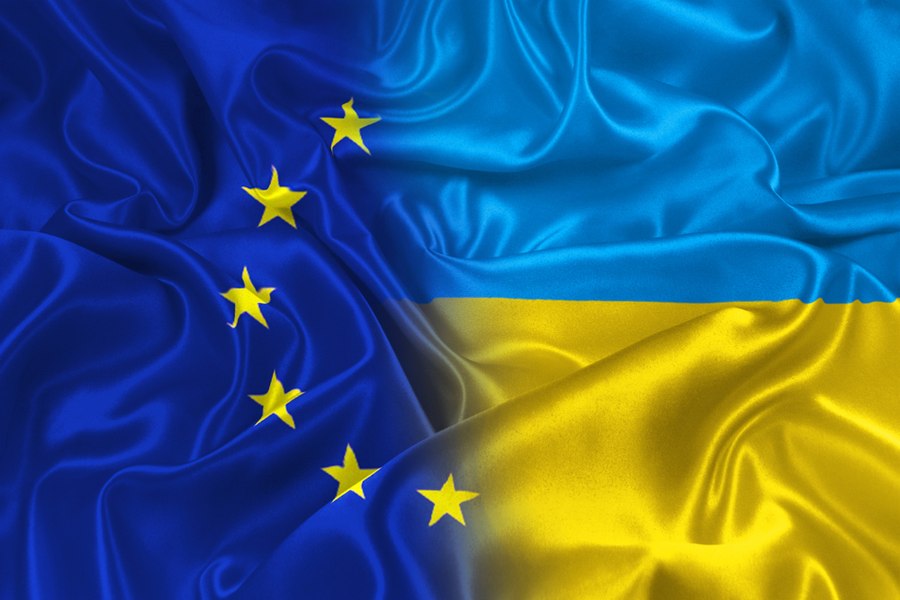
For Ukraine, the strategic goal remains unchanged: full membership in the European Union to anchor the country firmly in the Western sphere and counteract territorial losses. Four years after gaining candidate status, the EU is expected to open the first negotiation cluster, focusing on justice, democracy, and the rule of law. While some in Kyiv optimistically anticipate full membership within the next year, even staunch EU supporters caution that this is unlikely to happen in less than a decade. This significant disparity in expectations between Kyiv and Brussels poses a major geopolitical risk.
Part of the responsibility lies with Ukrainian President Volodymyr Zelenskyy, who must intensify efforts to strengthen independent domestic institutions, particularly in combating systemic corruption. He should also show greater openness to intermediate integration solutions. The article suggests that if Europe is serious about securing its borders and reducing its historical dependence on transatlantic support, it needs Ukraine as much as Ukraine needs Europe. The EU's absolute priority should be Ukraine's swift and complete integration into its security and political architecture, despite the current challenges and differing timelines.
The massive gap in expectations between the two camps represents a major geopolitical risk.
DistantNews Editorial
Originally published by Adevărul in Romanian. Translated, summarized, and contextualized by our editorial team with added local perspective. Read our editorial standards.
More Stories
From Our Blog

What Gets Lost (and Found) When News Is Translated

The Critical Role of Diaspora Media in Global News

What Travellers Should Know About Countries with Restricted Press

A Digital Nomad's Guide to Following Local News

How the Same Story Looks Different in Different Countries
