


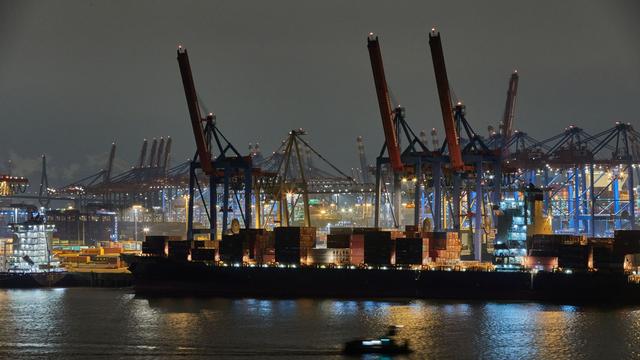
Warning Strike Begins in Hamburg Port
Translated from German, summarized and contextualized by DistantNews.
At a glance
News
Official statement
Ongoing story
- A 24-hour warning strike has begun at the Port of Hamburg, affecting four major container terminals.
- The strike is part of ongoing tariff negotiations between the United Services Union (Verdi) and the Central Association of German Seaport Companies (ZDS).
- Verdi rejected the latest offer from the employer association and has called for strikes at five other seaports.
A 24-hour warning strike commenced overnight at the Port of Hamburg, significantly disrupting operations at the city's four major container terminals. The United Services Union (Verdi) announced the strike, which is rooted in the ongoing tariff negotiations with the Central Association of German Seaport Companies (ZDS).
The action follows Verdi's rejection of the most recent offer presented by the ZDS. The union is demanding improved terms for port workers, and the current negotiations have reached an impasse, leading to this industrial action. The strike is intended to pressure the employers' association to return to the negotiating table with a more favorable proposal.
Verdi has also extended its call for warning strikes to five other German seaports, indicating a broader mobilization within the sector. The union has scheduled a demonstration for Tuesday at 9:00 AM at the Container Terminal Burchardkai in Hamburg, further signaling the intensity of their campaign.
While the strike is described as a "warning strike," its 24-hour duration is expected to cause considerable delays and economic impact for the Port of Hamburg, a vital hub for German and European trade. The outcome of these negotiations and further industrial actions could have significant implications for the logistics and supply chains reliant on Germany's major seaports.
DistantNews Editorial
Originally published by Die Zeit in German. Translated, summarized, and contextualized by our editorial team with added local perspective. Read our editorial standards.
More Stories



From Our Blog

What Gets Lost (and Found) When News Is Translated

How the Same Story Looks Different in Different Countries

The Critical Role of Diaspora Media in Global News

What Travellers Should Know About Countries with Restricted Press

A Digital Nomad's Guide to Following Local News
