

Was it luck or did she give herself a chance? She went for a cardiac check-up and ended up directly in the intervention that saved her life
Translated from Romanian, summarized and contextualized by DistantNews.
At a glance
News
Sources not specified
Outcome reported
- A 72-year-old patient in Bucharest had her life saved by a timely cardiac check-up that led to the immediate implantation of a pacemaker.
- The patient, Tina Radu, was experiencing symptoms like low energy and difficulty breathing, which were initially overlooked due to intermittent slow heart rhythms.
- Doctors highlight that sinus node disease can be difficult to diagnose because the heart can fluctuate between very fast and very slow rhythms, with the slow rhythms posing a risk of fainting and serious injury.
For 72-year-old Tina Radu from Bucharest, a routine 24-hour cardiac monitoring appointment unexpectedly became a life-saving event. "It was my lucky day," she stated, reflecting on the timely intervention that led to the implantation of a dual-chamber pacemaker.
It was my lucky day.
Dr. Alexandrina Tatu-Chițoiu, a cardiologist at AngioLife MedLife Medical Park, explained that Radu met the criteria for the pacemaker during her monitoring. Radu, who is diligent about her health, regularly attends check-ups due to hypertension, high cholesterol, and atrial fibrillation episodes. She consistently sought medical attention before serious issues arose, believing prevention is key.
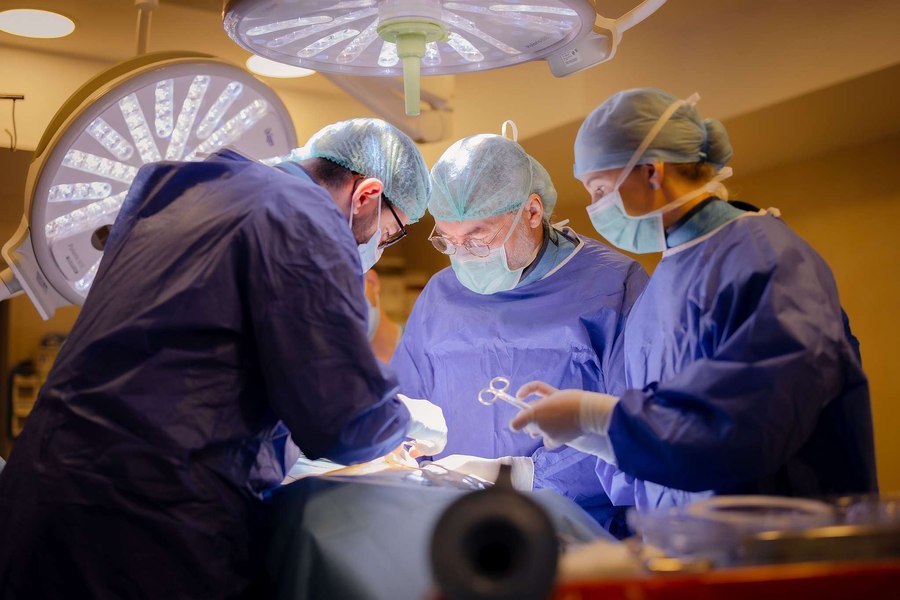
During her appointment to fit a Holter monitor for 24-hour heart rhythm tracking, Radu reported feeling unwell, experiencing low energy and shortness of breath. Her pulse had dropped to a dangerously low 36 beats per minute, alerting the clinic's staff. A swift medical response followed, involving thorough investigations, a diagnosis of sinus node disease, and the pacemaker implantation on the same day. She was discharged the following day.
She came for a check-up at the right time and, after careful monitoring, we found that the criteria for implanting a dual-chamber pacemaker were met, and the intervention took place the same day.
"If someone had told me this could happen, I wouldn't have believed it. Everything came together perfectly. It was probably my lucky day," Radu recounted.
I kept checking myself because I thought it was better to prevent something from happening.
Dr. Tatu-Chițoiu noted that sinus node disease is particularly challenging to diagnose because it can cause the heart to alternate between rapid and very slow rhythms without obvious symptoms. "Often, patients feel the rapid rhythms, but not the slow ones," she explained. "The slow rhythms can lead to fainting (syncope), with unfortunate consequences like bone fractures or head trauma." This variability means that a patient might appear to have a normal heart rhythm during a standard electrocardiogram if the slow episode isn't occurring at that exact moment, potentially delaying diagnosis.
If someone had told me this could happen, I wouldn't have believed it. Everything came together perfectly. It was probably my lucky day.
DistantNews Editorial
Originally published by Adevărul in Romanian. Translated, summarized, and contextualized by our editorial team with added local perspective. Read our editorial standards.
More Stories



From Our Blog

What Gets Lost (and Found) When News Is Translated

The Critical Role of Diaspora Media in Global News

What Travellers Should Know About Countries with Restricted Press

A Digital Nomad's Guide to Following Local News

How the Same Story Looks Different in Different Countries
