


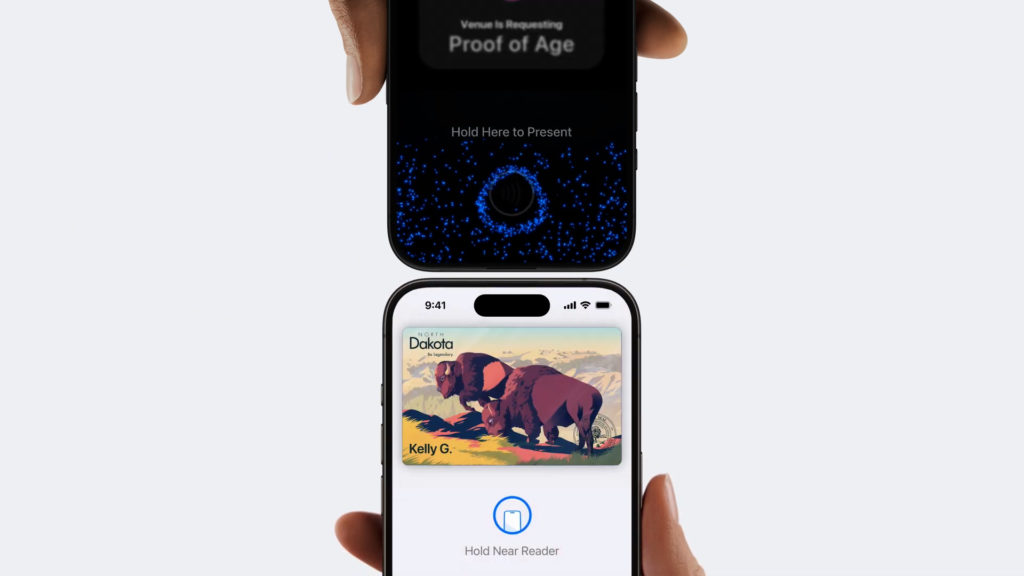
WATCH: Should you use a digital ID? Here's what to know
Summarized and contextualized by DistantNews.
At a glance
News
Sources not specified
Context piece
- Twenty U.S. states and Puerto Rico now offer digital driver's licenses (mDLs), which can be stored in mobile wallets or state-created apps.
- Over 250 U.S. airports accept mDLs for domestic flights, and mobile wallets can hold digital U.S. passports for domestic travel.
- While digital IDs can enhance privacy by sharing only necessary information, privacy advocates raise concerns about potential government or third-party data misuse.
Driver's licenses are undergoing a digital transformation, with 20 states and Puerto Rico now offering mobile driver's licenses (mDLs). These digital credentials can be added to smartphone wallets, similar to credit cards, or stored within state-specific mobile applications, depending on the phone manufacturer.
You would never hand over your phone. The whole point of it is to electronically transmit the information.
The adoption of mDLs is gaining traction, with more than 250 U.S. airports already accepting them for domestic flight boarding, according to the Transportation Security Administration. Furthermore, mobile wallets on major platforms like Apple, Google, and Samsung can accommodate digital U.S. passports for domestic travel, streamlining the identification process.
Ian Grossman, president and CEO of the American Association of Motor Vehicle Administrators, highlights the convenience and potential privacy benefits of digital IDs. When identification is required, whether at an airport, doctor's office, or during a traffic stop, users can present their phone for scanning via a tap or QR code. Grossman emphasizes that individuals would never hand over their phones. Instead, the technology electronically transmits only the necessary information. For instance, when purchasing alcohol, an mDL could verify age without revealing the driver's license number, address, or other personal details.
All they need to know is you are of legal age to make that purchase. They don't need to know your name. They don't need to know your address.
Digital IDs also offer enhanced security against loss or theft. Unlike a physical ID that could be easily picked up if lost, a secured smartphone requires authentication like facial recognition, fingerprint scanning, or a password. Moreover, users can remotely deactivate a digital credential from a lost device by logging into their online DMV account. However, privacy advocates, such as Jay Stanley from the American Civil Liberties Union, express concerns about how data from these digital IDs might be misused by third parties or the government, especially as trust in government data handling declines and calls for tech regulation grow.
The standard for digital ID that a lot of the states, although not all of them, are adopting, would actually let the gove
DistantNews Editorial
Originally published by PBS NewsHour. Summarized and contextualized by our editorial team with added local perspective. Read our editorial standards.
More Stories


From Our Blog

How the Same Story Looks Different in Different Countries

What Gets Lost (and Found) When News Is Translated

The Critical Role of Diaspora Media in Global News

What Travellers Should Know About Countries with Restricted Press

A Digital Nomad's Guide to Following Local News
