

Water Quality Blamed for Mass Fish Deaths on Vietnam's Hieu River
Translated from Vietnamese, summarized and contextualized by DistantNews.
At a glance
News
Named sources
Outcome reported
- A mass die-off of fish in the Hieu River in Quang Tri, Vietnam, has been attributed to water quality issues, not disease.
- Authorities collected water and fish samples, finding high levels of nutrients and organic matter in the water.
- Residents have been advised to stop using river water for fish farming.
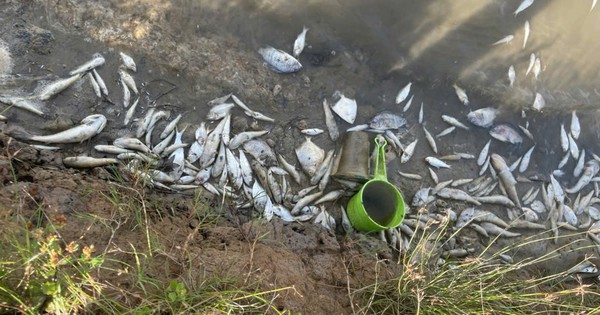
Authorities in Vietnam's Quang Tri province have determined that a mass fish kill in the Hieu River was caused by deteriorating water quality, ruling out disease as the culprit. The investigation involved collecting samples of both dead fish and river water.
Testing of 12 water samples from 10 locations and four samples of dead fish, including farmed and wild species, revealed no signs of common fish diseases like nervous necrosis or TiLV. However, water quality monitoring showed a significant increase in nutrient and organic matter levels compared to previous years. Several water samples indicated nitrogen levels at 'C' or 'D' grades (poor to very poor), with phosphorus levels also frequently falling into these categories.
Officials from the Department of Agriculture and Rural Development stated that these parameters reflect a clear decline in water quality, creating an unfavorable environment for aquatic life. This unusual change is believed to have compromised the health and resilience of both farmed and wild fish populations.
In response, the Department of Agriculture and Rural Development has recommended that the Provincial People's Committee direct the police to investigate the exact causes of the negative impact on the water source. The Department of Fisheries and Marine Guard has also issued urgent notices advising local residents to halt the use of water from the Hieu and Thach Han rivers for fish farming operations.
The mass death of fish is due to abnormal problems with water quality, not disease.
DistantNews Editorial
Originally published by Thanh Niên in Vietnamese. Translated, summarized, and contextualized by our editorial team with added local perspective. Read our editorial standards.
More Stories

From Our Blog

What Gets Lost (and Found) When News Is Translated

The Critical Role of Diaspora Media in Global News

What Travellers Should Know About Countries with Restricted Press

A Digital Nomad's Guide to Following Local News

How the Same Story Looks Different in Different Countries
