


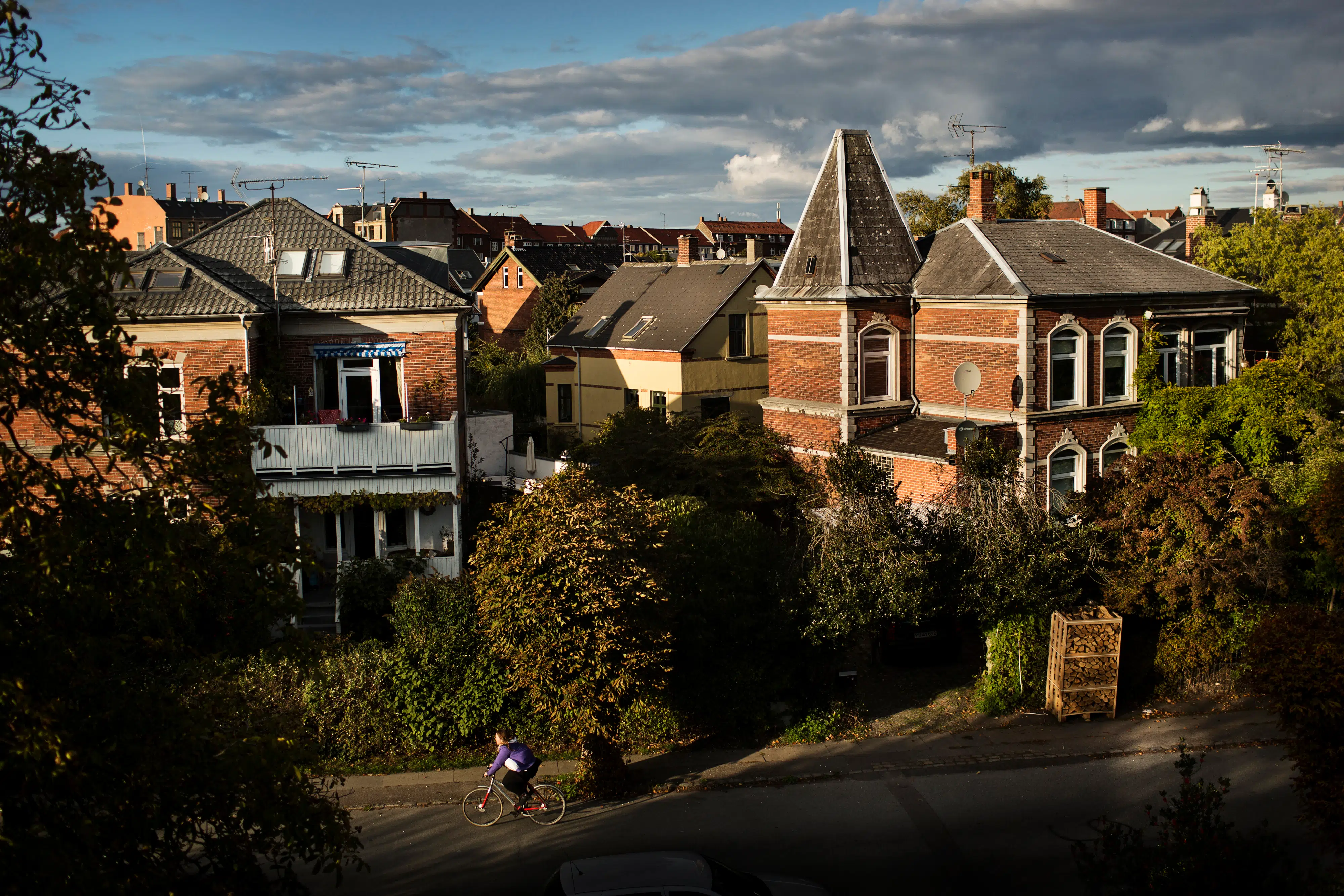
We must make it easier to live differently. Homes should fit people – not the other way around
Translated from Danish, summarized and contextualized by DistantNews.
At a glance
Opinion
Sources not specified
Context piece
- Danish housing policy, designed for a 1960s society, no longer fits the needs of the current population.
- Changes in demographics, including longer lifespans, fewer children, and more single-person households, require updated housing solutions.
- The author advocates for policies that allow for easier division of homes and support for diverse living arrangements, such as multigenerational housing.
Danish housing policy, largely shaped in the 1960s, needs a significant overhaul to align with the realities of contemporary Danish society. The post-war era saw a boom in single-family homes with gardens, which was a success then, but the societal landscape has drastically changed. Danes are living longer, having fewer children later in life, and experiencing a rise in single-person households, divorces, and blended families. Many young people move frequently for education and work, while seniors increasingly wish to remain in their local communities but require more suitable housing for their current life stages.
The current housing policy, however, remains largely anchored to the idea that the ideal home is a single-family house with a large garden, a notion that persists throughout a person's life. This fails to acknowledge the diverse ways families are formed and the varied living arrangements people desire. There is a growing wish to live closer to children, grandchildren, or aging parents, and an increasing interest in intergenerational living. The policy must reflect these shifts, but structural changes have been slow to materialize.
It is currently unnecessarily complicated to divide a large house into two separate dwellings, a process that could alleviate housing shortages in urban areas, make homeownership more financially accessible, simplify life for divorced families, and allow seniors to stay in their communities. The author questions why society hinders such adaptations. Furthermore, the policy is criticized for not adequately supporting families who wish to live with an elderly parent suffering from dementia, often pushing them towards nursing homes as the only alternative. Similarly, support is lacking for parents building a "tiny house" in their garden for a child with a demanding diagnosis, instead directing the young person to institutional care.
Housing is more than just bricks and mortar; it is the framework for life. Therefore, Danish housing policy should prioritize people's needs over rigid systems and outdated regulations. As people's lives and aspirations evolve, so too must the policies that govern their homes. The article concludes by stating that housing should adapt to people, not the other way around, and that this will be a critical area for the new government to address in the coming years.
DistantNews Editorial
Originally published by Berlingske in Danish. Translated, summarized, and contextualized by our editorial team with added local perspective. Read our editorial standards.
More Stories

From Our Blog

What Gets Lost (and Found) When News Is Translated

The Critical Role of Diaspora Media in Global News

What Travellers Should Know About Countries with Restricted Press

A Digital Nomad's Guide to Following Local News

How the Same Story Looks Different in Different Countries
