


“We’re Coming to Get Them”: Rescuers Hope Tunnels Sheltered Workers After Nepal Floods
Translated from English and summarized by DistantNews. Read the original for the full story.
At a glance
News
Named sources
Ongoing story
- Rescuers are searching hydropower tunnels in Nepal after glacial floods killed more than 900 people and left over 4,247 missing.
- Nepali officials estimate that 933 workers remain trapped at 11 hydropower projects in Rasuwa and Nuwakot districts.
- Teams are using controlled blasts, excavators, searchlights, satellite imagery and computer modelling to reach possible survivors, while experts say larger underground spaces may still contain air and water.
Rescuers searching for workers trapped underground after catastrophic floods in Nepal are focusing on larger spaces inside hydropower complexes, where some people may have taken shelter.
The floods came down from the China-Nepal border with the force of a tsunami, pushing the confirmed death toll above 900 and leaving more than 4,247 people missing. Nepali officials believe 933 workers are trapped at 11 hydropower projects in the districts of Rasuwa and Nuwakot.
There’s probably more water, rocks and things in it than we were hoping for. And we’re now rethinking how we access that tunnel and also how we access the powerhouse.
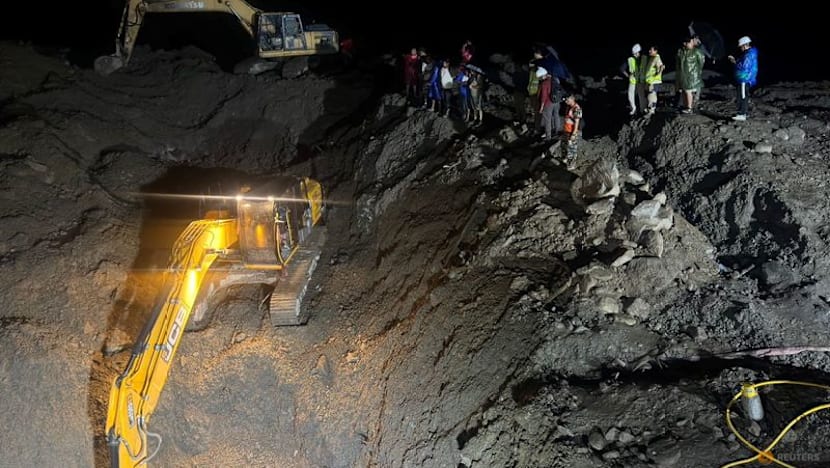
At the Trishuli 3A hydropower site, where more than 40 people were reported trapped, teams located one tunnel and used explosives to break through its roof. They have not yet found anyone there. Arnold Dix, an Australian geologist and tunnel specialist assisting Nepali authorities, said the area being accessed was close to the point where the flood struck with extreme force.
That’s what we’re pinning our hopes on at the moment.
Dix said rescuers are now considering routes into larger sections of the complex, including areas around the turbines and control rooms. Those spaces may have offered workers shelter. “That’s what we’re pinning our hopes on at the moment,” he said, adding that conditions and plans were changing as new data came in. “We’re banking that we still have time.”
Teams have used excavators, searchlights, controlled blasts, satellite images and computer models to clear water, mud and debris. Helicopters are carrying equipment to areas isolated by destroyed roads. Dix said technology would help, but the search would ultimately depend on rescuers moving through the tunnels with shovels. “In the end, it’s about people helping other people.”
We’re banking that we still have time.
Dix, who also assisted in the 2023 rescue of 41 workers trapped in India’s Silkyara Tunnel, said the Nepal operation presents a different challenge. In India, rescuers dealt with a collapsed tunnel. In Nepal, the tunnels remain standing while the surrounding world has been devastated. The rock conditions are also harsher, ranging from mud to rocks “the size of a house.”
In the end, it’s about people helping other people.
About this summary
Originally published by CNA in English. Translated, summarized, and contextualized automatically by DistantNews, with a note on how the source frames the story. Not individually reviewed before publishing. How this works.
More Stories


From Our Blog

What Gets Lost (and Found) When News Is Translated

The Critical Role of Diaspora Media in Global News

What Travellers Should Know About Countries with Restricted Press

A Digital Nomad's Guide to Following Local News

How the Same Story Looks Different in Different Countries
