


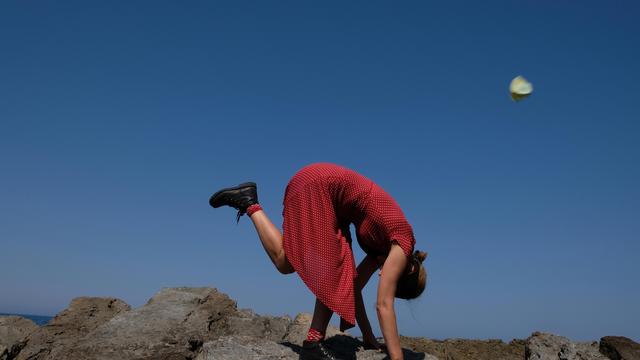
"Weird Girl Fiction": Dismissive, Disgusted, and Often Very Alone
Translated from German, summarized and contextualized by DistantNews.
At a glance
In-depth
Sources not specified
Context piece
- A literary trend called "Weird Girl Fiction" is gaining popularity, particularly among young female readers.
- Characterized by protagonists who are often dismissive, disgusted, and isolated, the trend is celebrated on social media platforms like TikTok and Instagram.
- The German translation of Gráinne O’Hare's novel "Thirst Trap" was retitled "Weird Girls," highlighting the trend's impact on literary marketing.
A new literary trend, dubbed "Weird Girl Fiction," is capturing the attention of readers and social media users, particularly among younger female audiences. This emerging style features protagonists often described as dismissive, disgusted, and profoundly alone, reflecting a complex emotional landscape.
The "Weird Girl" archetype, a term that signifies something strange or uncanny, has found a significant following on platforms like TikTok and Instagram. This online popularity has translated into a recognized literary movement, eagerly embraced by booksellers as a marketing strategy and increasingly discussed in literary criticism.
The trend's influence is evident in recent book releases. For instance, a novel by Irish author Gráinne O’Hare, originally titled "Thirst Trap," was marketed in its German translation as "Weird Girls." This rebranding underscores how the "Weird Girl" concept has become a powerful label, shaping how literature is presented and perceived in the market.
DistantNews Editorial
Originally published by Die Zeit in German. Translated, summarized, and contextualized by our editorial team with added local perspective. Read our editorial standards.
More Stories



From Our Blog

What Gets Lost (and Found) When News Is Translated

How the Same Story Looks Different in Different Countries

The Critical Role of Diaspora Media in Global News

What Travellers Should Know About Countries with Restricted Press

A Digital Nomad's Guide to Following Local News
