

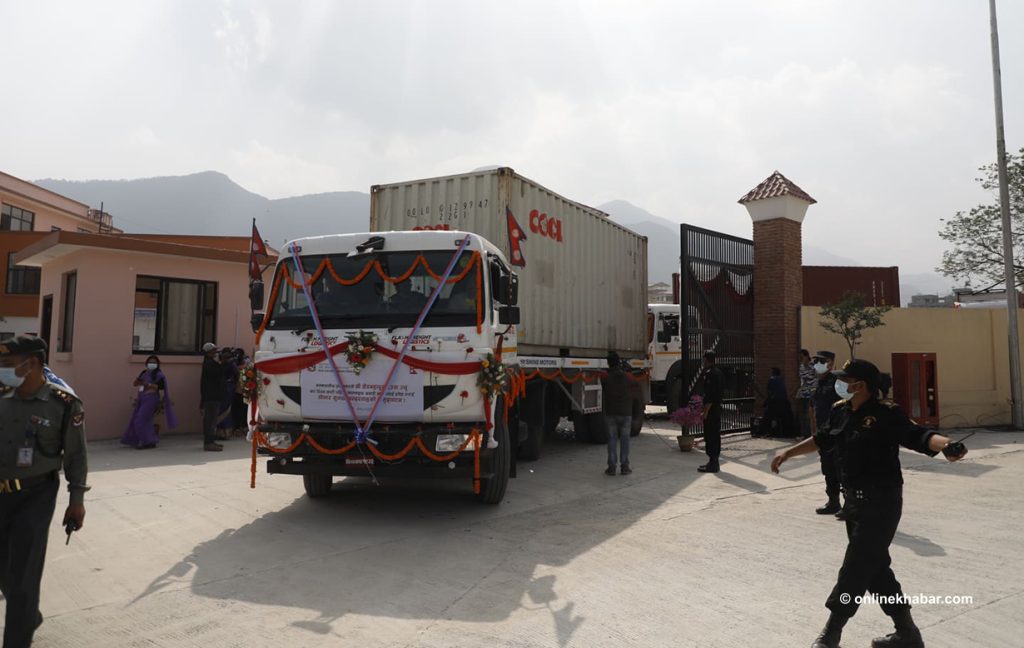

West Asia Tensions, India's Policies Fuel Nepal's Economic Crisis
Translated from English and summarized by DistantNews. Read the original for the full story.
At a glance
News
Sources not specified
Context piece
- Nepali households face soaring prices for essentials, increased transport costs, and agricultural struggles due to West Asian tensions and India's protectionist policies.
- The government's response has been weak, with minor measures failing to curb middlemen or provide targeted subsidies to low-income families.
- Experts and international bodies warn of significant human development risks if the conflict prolongs, urging Nepal to focus on self-sufficiency and aid for the vulnerable.
Tensions in West Asia are significantly impacting Nepali households, driving up prices of staple foods and daily essentials to record levels. Transport costs have also surged, and farmers face difficulties obtaining imported raw materials and fertilizers crucial for the main paddy planting season. For instance, a 25-kg bag of rice now costs Rs2,250, up from Rs2,000, and edible mustard oil prices have increased by Rs20 to Rs30. Diesel prices have jumped 60 percent and petrol 28 percent in three months, inflating costs for vegetables, construction materials, and other daily goods. Cooking gas (LPG) prices rose 11.5 percent, and education inflation has reached 6-7 percent.
The price of a 25-kg bag of rice, which previously cost Rs2,000, now goes for Rs2,250.
Compounding these issues are India's protectionist policies, including a blanket ban on sugar exports to Nepal. Despite these mounting pressures, Nepal's government has shown a weak response. The current price surge cannot be solely attributed to geopolitical conflict; the country's pre-existing weak economic conditions and lack of preparedness are equally responsible. Successive governments have prioritized state revenue over strengthening economic pillars, which were already weakened by the 2015 earthquakes, the COVID-19 pandemic, and climate-induced disasters.
Diesel prices have jumped by 60 percent and petrol by 28 percent in just the past three months, driving up prices of vegetables, construction materials and daily goods.
The incumbent government, despite a strong mandate for reform, has not acted with sufficient urgency. While minor measures like tax adjustments, fuel price revisions, and extended weekends have been implemented, they have failed to address the role of middlemen who exploit the crisis by inflating prices. Low-income families, with little financial cushion, have not received targeted subsidies, unlike in countries such as South Korea, which has launched cash aid for vulnerable populations.
Successive governments have focused more on milking the state coffers rather than on buttressing the country’s economic pillars, which were already weakened by the 2015 earthquakes, the Covid-19 pandemic and climate-induced disasters.
International organizations warn of dire consequences if the situation persists. A United Nations Development Programme report highlights that prolonged conflict in West Asia could expose Nepal to "some of the highest risks of cumulative human development losses." The Asian Development Bank has urged the government to protect vulnerable people. Nepal cannot afford to ignore these warnings. While short-term relief is necessary, the country must prioritize modernizing agriculture and reducing dependence on fossil fuels to work towards self-sufficiency.
These are vital measures. But it hasn’t curbed the role of middlemen who have taken advantage of the crisis and swindled people by inflating the prices of daily essentials.
About this summary
Originally published by Kathmandu Post in English. Translated, summarized, and contextualized automatically by DistantNews, with a note on how the source frames the story. Not individually reviewed before publishing. How this works.
More Stories

From Our Blog

News in Translation: What Gets Lost, and How We Keep the Framing

Diaspora Media: How Communities Abroad Follow Home

Traveling Where the Press Is Not Free: How to Read the News There

The Digital Nomad's Guide to Local News

The Same Story, Different Countries: How Coverage Changes at the Border
