

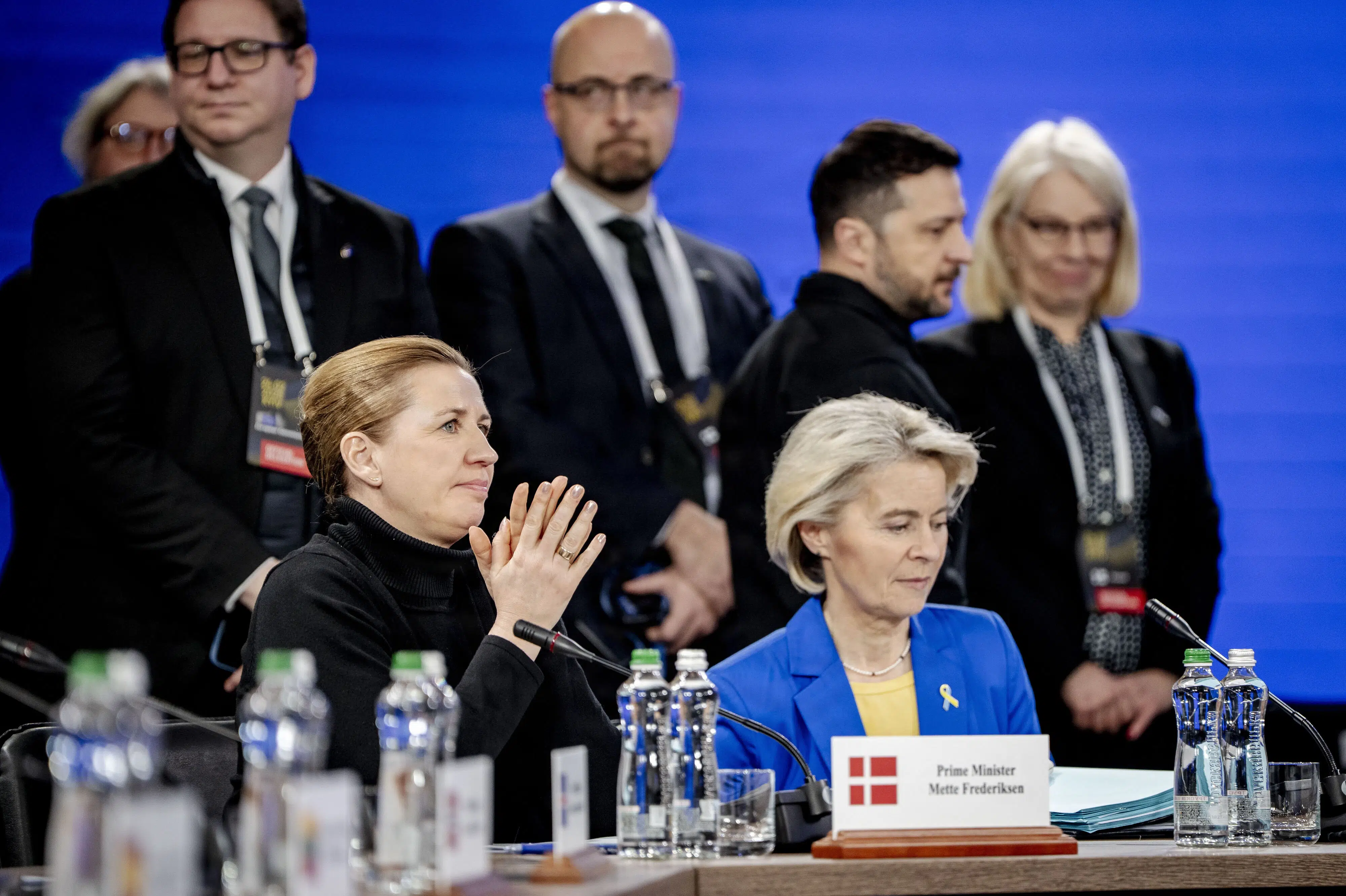

Western morality for sale as nations eye easing Russia sanctions
Translated from Danish and summarized by DistantNews. Read the original for the full story.
At a glance
Opinion
Sources not specified
Context piece
- Western nations are considering easing sanctions against Russia to lower oil and energy prices, despite the ongoing war in Ukraine.
- This potential move is criticized as prioritizing economic interests over Western values like freedom and human rights.
- The article argues that easing sanctions would send more money to Russia's war effort and questions the true value of Western solidarity if it comes at an economic cost.
The moral compass of the West appears to be for sale, as countries like Great Britain and other European nations contemplate relaxing sanctions against Russia. This consideration arises not from any change in Russia's conduct or cessation of hostilities in Ukraine, but from a desire to mitigate the impact of high oil and energy prices on their own economies. The article argues this is an "unpleasant realization."
While Western nations routinely condemn Russia's war of aggression, citing values of freedom, democracy, and human rights, the author questions the sincerity of these pronouncements. Speeches in the European Parliament pledge solidarity with Ukraine, promising unwavering support. However, the article posits that these promises may be hollow if they can be easily traded for cheaper gasoline and lower energy bills. Every sanction eased, it contends, sends more funds directly into Russia's war chest, fueling the very conflict being condemned.
The West's morality is for sale.
The author suggests that the West deludes itself into believing it operates within a community of shared values. Yet, these values often prove to be more closely tied to economic comfort than to conscience. Supporting Ukraine is easy when it costs nothing, but accepting that freedom has a price, sometimes meaning more expensive energy and less disposable income, is far more challenging. The article contrasts the ease of displaying support on social media with the difficulty of accepting tangible economic sacrifices.
Ultimately, the piece poses a critical question: what are Western values truly worth if the West is unwilling to pay the price? The author declares a personal commitment to paying more for fuel rather than financing the Russian war machine. The historical record, the article concludes, will not remember 2026 for its cheap diesel, but for whether the West stood firm when it truly mattered, even at a significant cost.
History will not remember us for how cheap our diesel was in 2026, but whether we stood firm when it cost something.
About this summary
Originally published by Berlingske in Danish. Translated, summarized, and contextualized automatically by DistantNews, with a note on how the source frames the story. Not individually reviewed before publishing. How this works.
More Stories


From Our Blog

News in Translation: What Gets Lost, and How We Keep the Framing

Diaspora Media: How Communities Abroad Follow Home

Traveling Where the Press Is Not Free: How to Read the News There

The Digital Nomad's Guide to Local News

The Same Story, Different Countries: How Coverage Changes at the Border
