


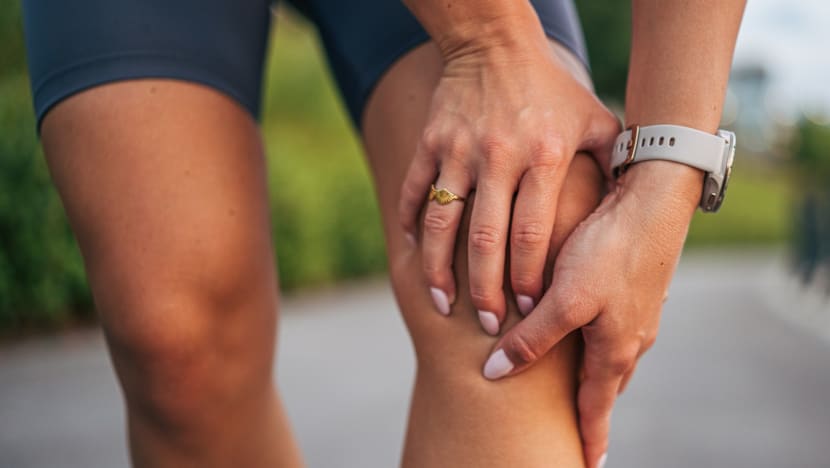
What actually works for knee pain? Expert advice for wear and tear, overuse and acute injuries
Summarized and contextualized by DistantNews.
At a glance
Explainer
Named sources
Context piece
- Knee pain is a common issue, affecting many due to injuries or age-related wear and tear.
- Osteoarthritis and overuse injuries are frequent causes, leading to pain, inflammation, and stiffness.
- Experts recommend various management strategies, including physical therapy and addressing underlying causes, to alleviate pain and prevent further injury.
Knee pain is a widespread ailment, ranking as the second most common site of chronic pain after the back. It affects individuals throughout their lives, stemming from acute injuries to cartilage and soft tissues in younger years, or from the gradual wear and tear associated with aging.
As the body's largest joint, the knees bear significant stress from daily activities like sports, climbing stairs, and even simple movements like getting into bed. This constant pressure can degrade joint cartilage, exacerbating existing injuries and leading to pain that ranges from mild discomfort to debilitating levels. Dr. Matthew Abdel, an orthopaedic surgeon at the Mayo Clinic, notes that chronic knee pain can be emotionally and financially draining, often occupying the sufferer's thoughts even when discussing unrelated matters.
But as they’re talking to you about something that’s totally unrelated, they’re thinking about it.
Fortunately, effective strategies exist to manage knee discomfort, maintain mobility, and prevent future injuries. Robert Turner, a physical therapist at the Hospital for Special Surgery in New York, emphasizes that surgery is not always the immediate or only solution. "You don’t just necessarily go from ‘my knee hurts’ to having surgery," he stated.
You don’t just necessarily go from ‘my knee hurts’ to having surgery.
Osteoarthritis, characterized by the wearing away of joint cartilage, is a primary cause of chronic knee pain, particularly in individuals over 55. This condition leads to inflammation, swelling, and pain that typically worsens over time, though patients may experience fluctuating symptoms. Dr. Nicholas Scarcella, an orthopaedic surgeon at the Cleveland Clinic, describes the pain as potentially sharp or throbbing, often felt around or under the kneecap, and accompanied by morning stiffness that eases with movement.
For active individuals, overuse injuries are common. These often result from sudden increases in exercise intensity, duration, or volume. Conditions like IT band syndrome, causing pain on the knee's outer side, and patellofemoral pain syndrome (runner's knee), which affects the area under the kneecap, are frequently linked to repetitive movements, muscle imbalances, or poor knee alignment. Sudden injuries, such as meniscus tears from twisting motions or ligament sprains from falls or accidents, can cause sharp, intense pain, swelling, and difficulty bending the joint, often remembered as a distinct event.
It tends to be an event that someone remembers.
DistantNews Editorial
Originally published by CNA. Summarized and contextualized by our editorial team with added local perspective. Read our editorial standards.
More Stories

From Our Blog

What Gets Lost (and Found) When News Is Translated

The Critical Role of Diaspora Media in Global News

What Travellers Should Know About Countries with Restricted Press

A Digital Nomad's Guide to Following Local News

How the Same Story Looks Different in Different Countries
