

What are the key challenges Nato is facing ahead of the summit in Ankara?
Summarized and contextualized by DistantNews.
At a glance
News
Sources not specified
Ongoing story
- NATO leaders will convene in Ankara on July 7-8 to address significant challenges, including Europe's role in its own security and increasing defense production.
- A key concern is maintaining U.S. commitment to the alliance, particularly in light of President Trump's past criticisms and demands for increased burden-sharing from European allies.
- European nations are under pressure to boost defense spending to counter Russia and satisfy U.S. demands, with some progress made but concerns remaining about policy unpredictability from Washington.
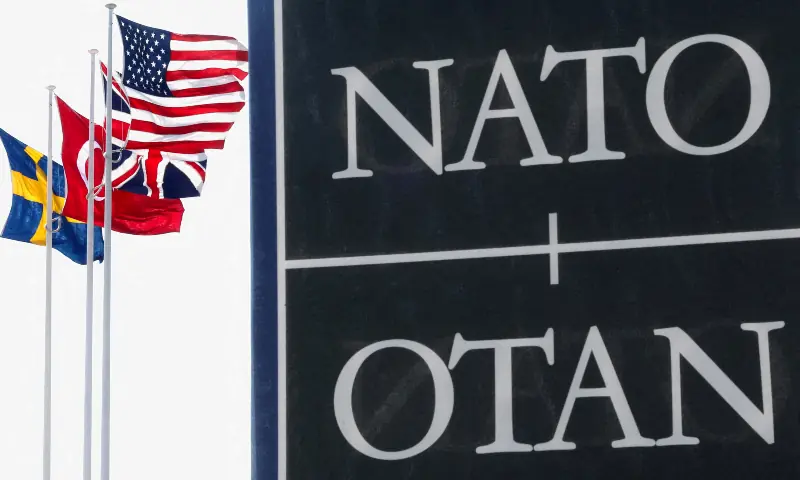
Leaders of the North Atlantic Treaty Organization (NATO) are set to gather in Ankara on July 7-8 for a summit focused on a range of critical issues. Among the primary concerns are the growing responsibility of European nations for their own continent's security and the urgent need to enhance defense industrial production.
Keeping Trump in Nato
A significant challenge facing the alliance is maintaining unity and ensuring continued U.S. commitment, especially given past tensions. U.S. President Donald Trump's previous actions, such as demanding ownership of Greenland and expressing dissatisfaction with allies' responses to regional conflicts, have fueled concerns. Trump's past characterization of NATO as a "paper tiger" and his consideration of withdrawal have necessitated efforts by NATO Secretary General Mark Rutte to smooth over these diplomatic rifts.
the alliance’s core business: defence and deterrence
The Trump administration has been actively pushing European governments to assume greater responsibility for conventional defense within Europe. This shift aims to allow Washington to reallocate more resources toward the Indo-Pacific region. Consequently, the U.S. has begun reducing its military capabilities available to NATO in crisis situations, with European members stepping in to fill these gaps. U.S. Defense Secretary Pete Hegseth has also initiated a review of American troop deployments in Europe and suggested withholding U.S. dues if allies do not meet their defense spending commitments.
the alliance’s Article 5 clause, which specifies that an attack on one of its members is an attack on all
European officials acknowledge the need to increase their defense contributions but have also voiced concerns about the pace of this transition and the unpredictability of U.S. policy. The pressure on European NATO members and Canada to significantly boost defense investment is substantial. This is driven by the need to improve deterrence against Russia and to demonstrate a serious commitment to burden-sharing in response to U.S. demands. While NATO leaders agreed last year to increase defense spending, with targets set at 5% of GDP within a decade, not all members are on track to meet these goals.
the US president branded the alliance a “paper tiger” and said he was considering withdrawing from Nato
DistantNews Editorial
Originally published by Dawn. Summarized and contextualized by our editorial team with added local perspective. Read our editorial standards.
More Stories
From Our Blog

What Gets Lost (and Found) When News Is Translated

The Critical Role of Diaspora Media in Global News

What Travellers Should Know About Countries with Restricted Press

A Digital Nomad's Guide to Following Local News

How the Same Story Looks Different in Different Countries
