


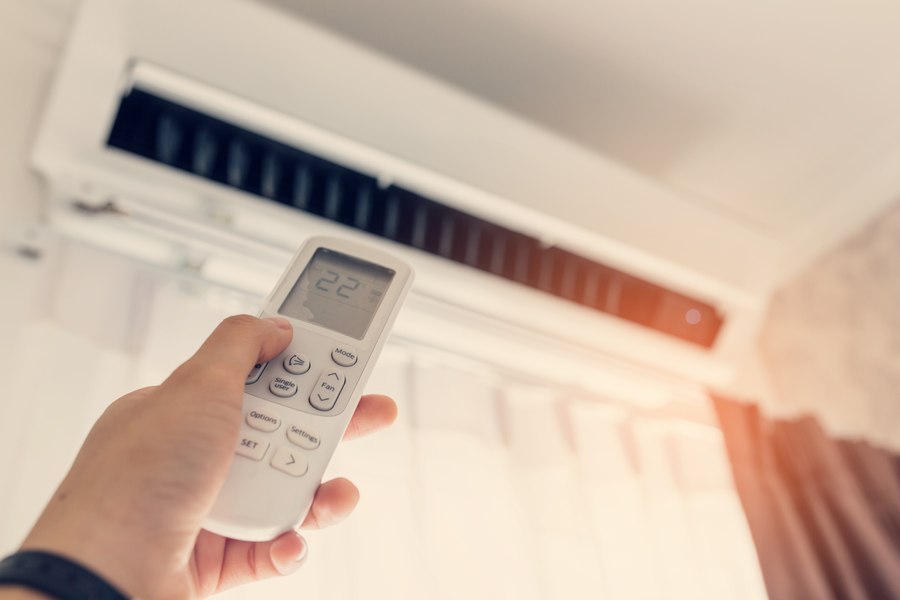
What Bacteria Hide in Air Conditioners. Beatrice Mahler: 'Real Risk of Illness.' Cleaning Units Also Lowers Energy Bills
Translated from Romanian, summarized and contextualized by DistantNews.
At a glance
News
Named sources
Context piece
- Dirty air conditioners pose serious health risks, including respiratory problems and allergies, by dispersing dust, mites, mold, and bacteria.
- Neglecting regular cleaning can lead to more severe infections like pneumonia, potentially caused by Legionella bacteria thriving in moist AC units.
- Cleaning air conditioners not only protects health but also reduces energy consumption and lowers electricity bills.
Regularly cleaning air conditioning units is crucial for maintaining health and preventing illness, according to medical experts. Dirty AC systems can become breeding grounds for harmful contaminants like dust, mites, mold spores, and bacteria.
When an air conditioner is switched on, these pollutants are circulated into the room's air, primarily affecting the respiratory system. Individuals may experience persistent sneezing, runny nose, dry cough, and a burning sensation in the throat. For those with asthma or chronic bronchitis, these symptoms can become more severe and frequent. Eye and mucous membrane irritation are also common, and unpleasant odors often signal fungal contamination releasing mycotoxins.
It is absolutely necessary to perform regular maintenance of air conditioners, both to benefit from clean air and to protect our airways from allergic manifestations, such as triggering asthma or chronic obstructive bronchopneumopathy.
Beyond allergic reactions, uncleaned AC units can harbor more serious infectious agents. The bacteria Legionella pneumophila, known to cause a severe form of pneumonia, thrives in the damp environments found within air conditioning systems. Beatrice Mahler, a pulmonologist at the Marius Nasta Institute of Pneumology, emphasizes the necessity of regular maintenance.
Moreover, in a situation where there is a risk or we learn about a person who has contracted an atypical bacterium, such as a Legionella-type bacterium, it is recommended to report it if we have been in a room with air conditioning, because that bacterium can remain in the installations and subsequently infect other people who will reach that area.
Mahler advises that consistent upkeep ensures clean air and protects respiratory health, preventing conditions like asthma or COPD. She also highlighted that if exposure to atypical bacteria like Legionella is suspected, it's important to inform relevant parties, as the bacteria can remain in the systems and infect others. This risk is heightened in poorly maintained units with infrequent filter changes.
Furthermore, maintaining clean air conditioners can lead to significant energy savings. Dumitru Chisăliţă, president of the Intelligent Energy Association, explains that clogged filters and internal components impede airflow to the cooling unit. This forces the system to work harder, consuming more electricity and increasing utility bills.
If the devices are not cleaned on time, the filters and internal components get clogged with dust and other solid particles, and this prevents the airflow from reaching the cooling unit properly.
DistantNews Editorial
Originally published by Adevărul in Romanian. Translated, summarized, and contextualized by our editorial team with added local perspective. Read our editorial standards.
More Stories


From Our Blog

What Gets Lost (and Found) When News Is Translated

The Critical Role of Diaspora Media in Global News

What Travellers Should Know About Countries with Restricted Press

A Digital Nomad's Guide to Following Local News

How the Same Story Looks Different in Different Countries
