

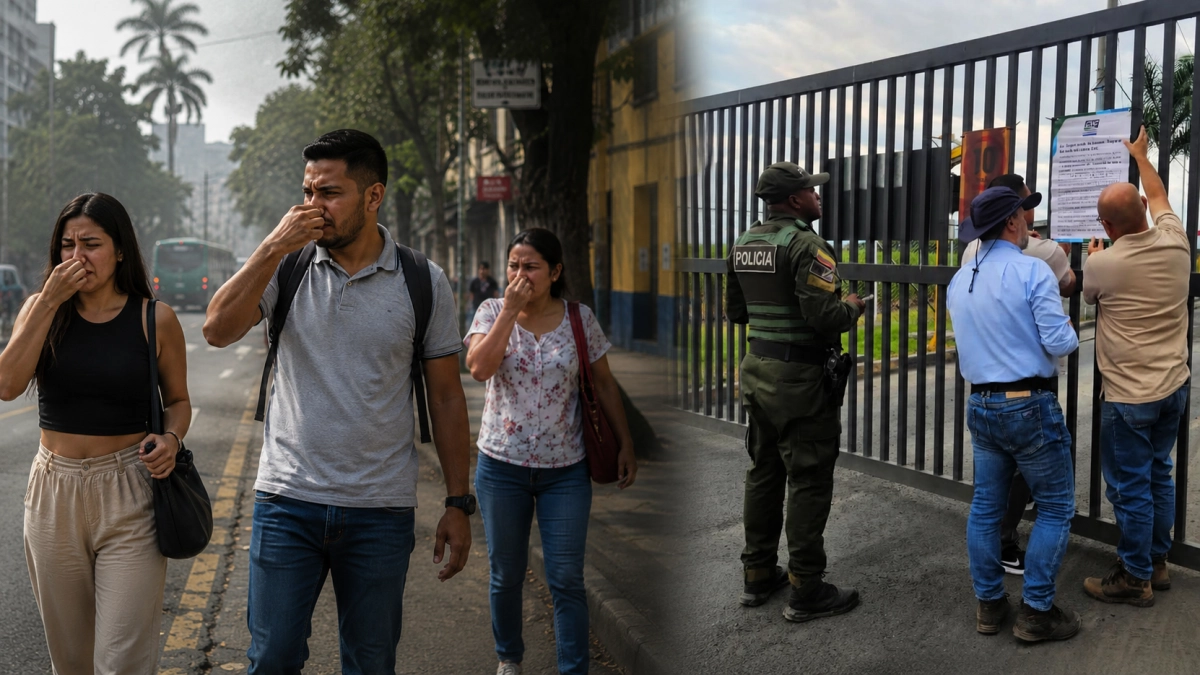
What causes the bad smells in Cali? Lack of rain and organic matter identified as key factors
Translated from Spanish, summarized and contextualized by DistantNews.
At a glance
Explainer
Named sources
Context piece
- Residents of Cali, Colombia, are experiencing persistent foul odors attributed to a combination of factors.
- Environmental authorities cite a lack of rainfall and decomposing organic matter in water channels as primary causes.
- The issue is exacerbated by low river flows and improper disposal of solid waste in drainage systems.
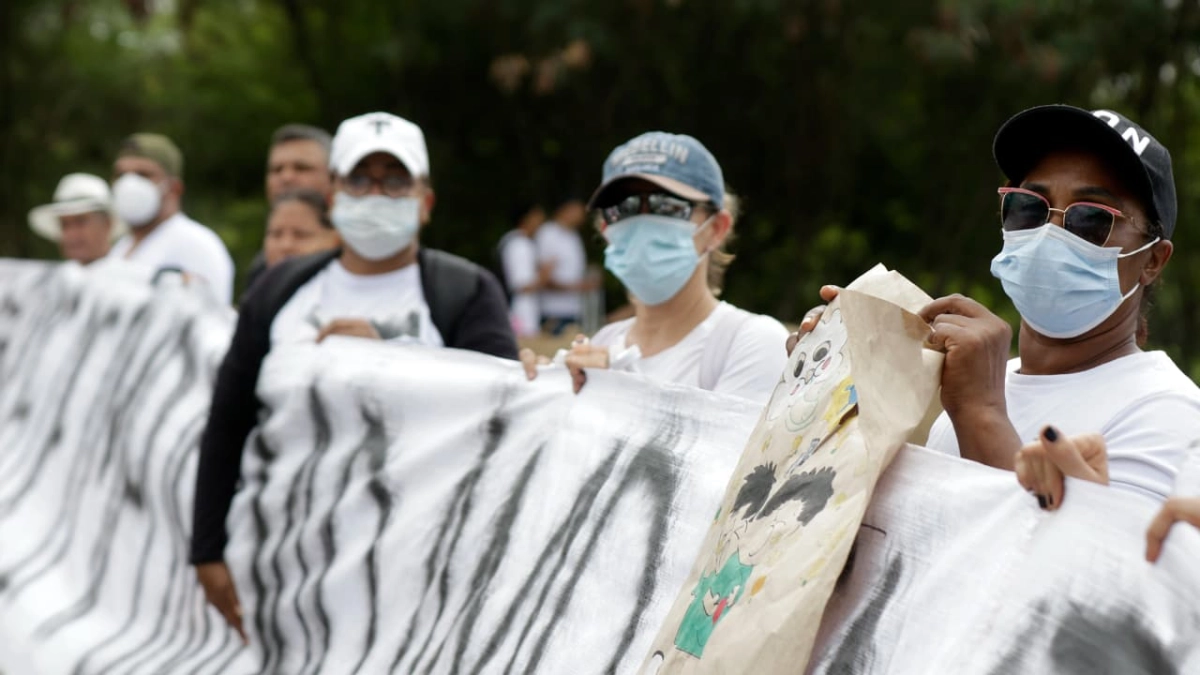
Residents in several areas of Cali, Colombia, continue to suffer from persistent foul or offensive odors that have been noticeable for weeks. Despite actions taken by environmental authorities like the Dagma and CVC (Corporación Autónoma Regional del Valle del Cauca), the source of these noxious emanations remains unclear, with multiple hypotheses circulating.
One of the main factors is that the Valle del Cauca, and particularly Cali, has already completed more than 40 days without significant rains.
The most prominent theory points to a lack of rainfall. Marco Antonio Suárez Gutiérrez, director general of the CVC, explained that the Valle del Cauca region, including Cali, has experienced over 40 days without significant rain. This drought reduces river and channel flow, diminishing the water's capacity to dilute pollutants. Coupled with high temperatures, this accelerates the decomposition of organic matter, releasing gases like hydrogen sulfide and methane, which are responsible for the offensive smells.
This condition reduces the flow of rivers and channels, diminishes the capacity of water dilution and, added to high temperatures, accelerates the decomposition of organic matter, favoring the generation of gases such as hydrogen sulfide and methane, responsible for offensive odors.
Adding to the problem, rivers like the Cauca are flowing at below-average levels for this time of year. This further limits their natural ability to dilute contaminants. The city's extensive network of rainwater channels, managed by Emcali, also receives improper discharges of domestic wastewater. This, combined with the inadequate disposal of solid waste by some citizens, intensifies decomposition processes and odor generation.
In the city, there are approximately 99.87 kilometers of rainwater channels... However, many of these channels receive domestic wastewater improperly.
The CVC has already imposed preventive measures on an oil refining company as part of its investigation. However, the environmental entity emphasizes that the problem is complex and likely stems from multiple causes, which are still under study. The phenomenon may also be occurring in other surface water bodies within both urban and rural areas.
This situation is compounded by the inadequate disposal of solid waste and organic matter by some citizens, which increases decomposition processes and odor generation.
DistantNews Editorial
Originally published by El Tiempo in Spanish. Translated, summarized, and contextualized by our editorial team with added local perspective. Read our editorial standards.
More Stories

From Our Blog

What Gets Lost (and Found) When News Is Translated

The Critical Role of Diaspora Media in Global News

What Travellers Should Know About Countries with Restricted Press

A Digital Nomad's Guide to Following Local News

How the Same Story Looks Different in Different Countries
