


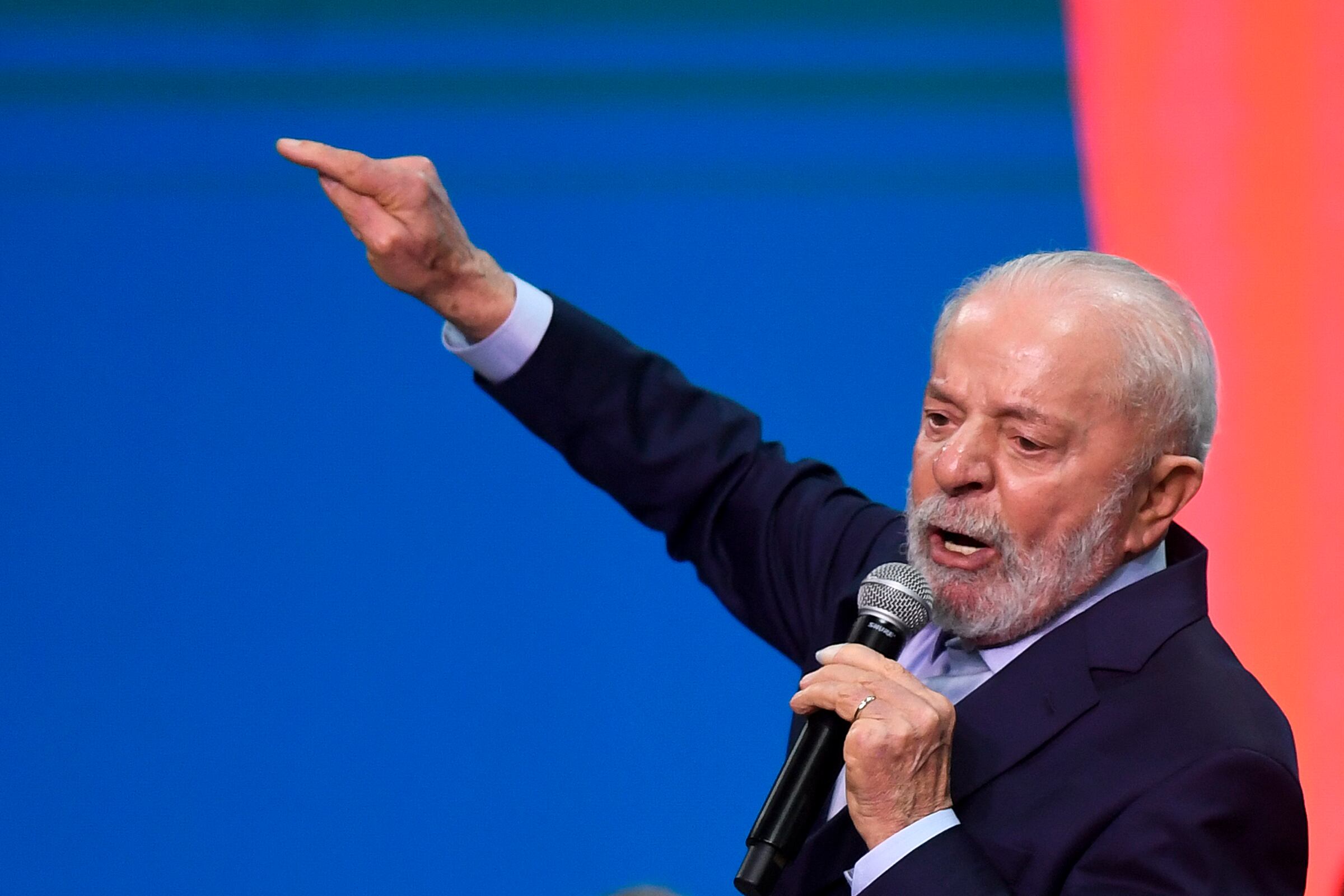

What if the problem was not corruption, but who committed it?
Translated from Spanish and summarized by DistantNews. Read the original for the full story.
At a glance
Opinion
Sources not specified
Context piece
- Isabel Gamboa Barboza argues that voters increasingly excuse or celebrate corruption and attacks on democratic institutions when committed by politicians they support.
- The column says political loyalty cannot turn unjust conduct into something legitimate or corrupt behavior into honesty.
What if the problem was never corruption itself, but the identity of the people committing it? Isabel Gamboa Barboza challenges voters who condemn dirty political practices in one group, then celebrate them when their preferred politicians adopt them.
She describes an increase in what she calls the moral corruption of voters: people who applaud old political abuses and attempts to damage institutions that sustain a still-democratic country. In her view, electoral loyalty has begun to outweigh principles.
The column’s central warning is blunt. Neither legitimate resentment nor even the most contemptible inequality can make injustice just, or corruption honest. People who celebrate their own side using public office for private advantage, she argues, should remember that changing the political camp does not change the nature of the act.
About this summary
Originally published by La Nación in Spanish. Translated, summarized, and contextualized automatically by DistantNews, with a note on how the source frames the story. Not individually reviewed before publishing. How this works.
More Stories


From Our Blog

News in Translation: What Gets Lost, and How We Keep the Framing

Diaspora Media: How Communities Follow News From Home

Traveling Where the Press Is Not Free: How to Read the News There

The Digital Nomad's Guide to Local News

The Same Story, Different Countries: How Coverage Changes at the Border
