

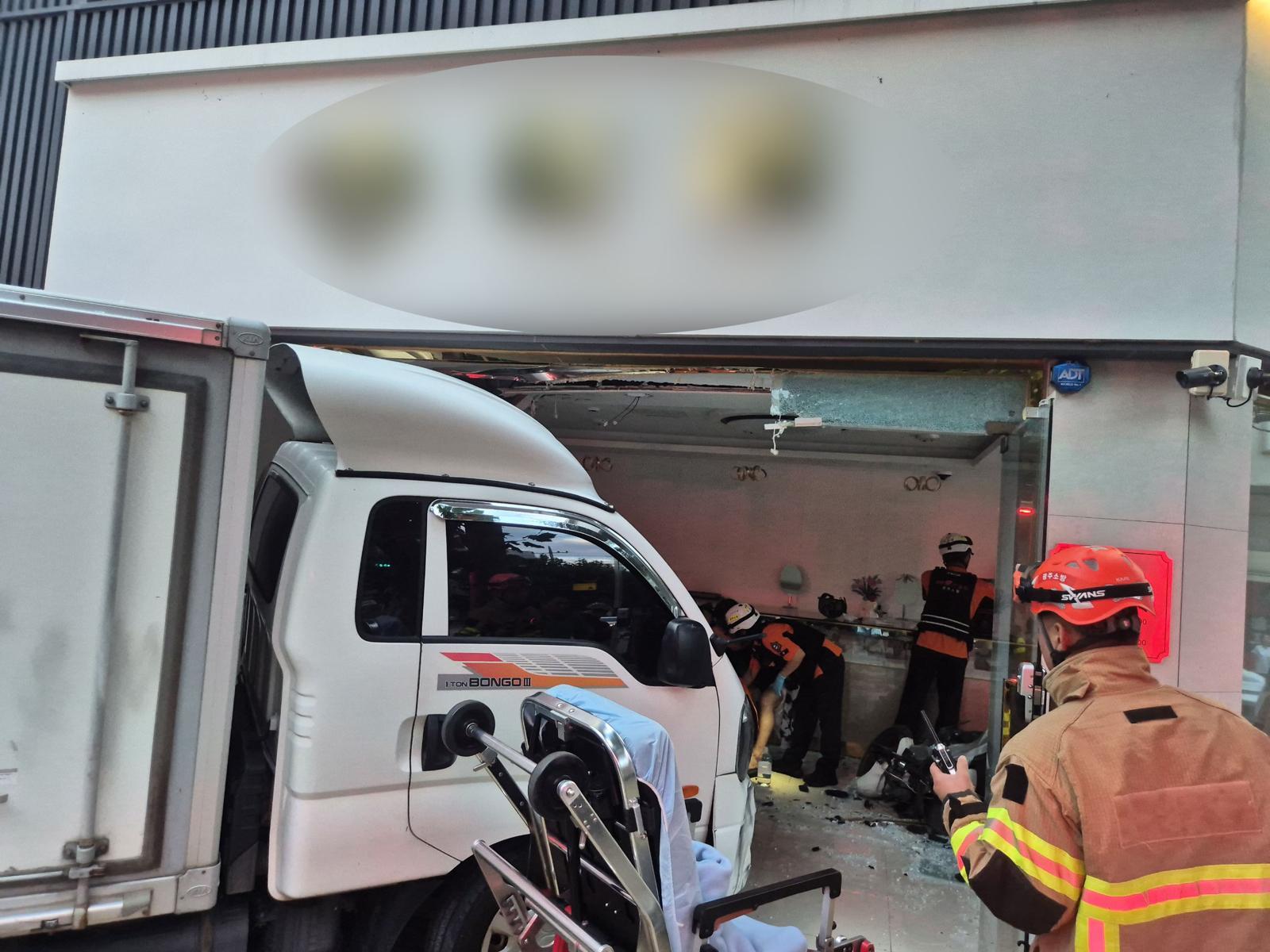

What is Hanwha Aerospace's Daejeon Plant Where Explosion Occurred?
Translated from Korean and summarized by DistantNews. Read the original for the full story.
At a glance
News
Named sources
Outcome reported
- An explosion at Hanwha Aerospace's Daejeon facility on June 1 resulted in seven casualties, including fatalities and injuries.
- The Daejeon plant is a key facility for Hanwha's defense sector, specializing in large propulsion systems for missiles and rockets.
- The company is currently investing heavily in expanding production capacity at the site, which is considered a high-risk operation.
An explosion at Hanwha Aerospace's Daejeon facility on June 1 has resulted in seven casualties, including fatalities and injuries. The facility is a critical hub for the company's defense business, responsible for the development and production of large propulsion systems for missiles and rockets.
The Daejeon plant handles high-risk processes such as propellant mixing and charging. According to the company, the facility supplies over 95% of the domestic propulsion systems for rockets and missiles. Hanwha acquired the site in 1987 from the Agency for Defense Development and has since integrated it into its defense sector operations under Hanwha Aerospace.
Hanwha Aerospace is currently undertaking a significant investment of approximately 109.3 billion won (about $80 million) at the Daejeon facility. This investment, planned from July 2023 to September 2028, aims to expand and upgrade production and inspection equipment, as well as enhance infrastructure. The company's other defense facilities include plants in Changwon, Yeosu, Boeun, and Hwasun.
Safety management is a key focus for the Daejeon facility. Hanwha Aerospace has been implementing advanced risk assessment and Significant Incident Factor (SIF) techniques since 2023 to identify and manage potential hazards, particularly those related to fire and explosions. The company reported reducing major accident risks by 80% through these measures. The facility also undergoes annual safety inspections as mandated by the Defense Industry Act. Local authorities, including the Daejeon Fire Department, have also conducted checks on the facility's safety systems and emergency response readiness.
The Daejeon facility supplies over 95% of the domestic propulsion systems for rockets and missiles.
About this summary
Originally published by Hankyoreh in Korean. Translated, summarized, and contextualized automatically by DistantNews, with a note on how the source frames the story. Not individually reviewed before publishing. How this works.
More Stories


From Our Blog

News in Translation: What Gets Lost, and How We Keep the Framing

Diaspora Media: How Communities Abroad Follow Home

Traveling Where the Press Is Not Free: How to Read the News There

The Digital Nomad's Guide to Local News

The Same Story, Different Countries: How Coverage Changes at the Border
