

What Kazakhstan’s Voters Want Beyond Campaign Promises
Summarized and contextualized by DistantNews.
At a glance
News
Documents & data
Context piece
- Raising incomes and curbing inflation are top priorities for Kazakh voters ahead of the Aug. 23 elections, according to recent surveys.
- Fighting corruption and creating new jobs also rank high, with a majority of respondents expressing intent to vote.
- Experts suggest voters expect political parties to professionally address socioeconomic issues and improve quality of life.
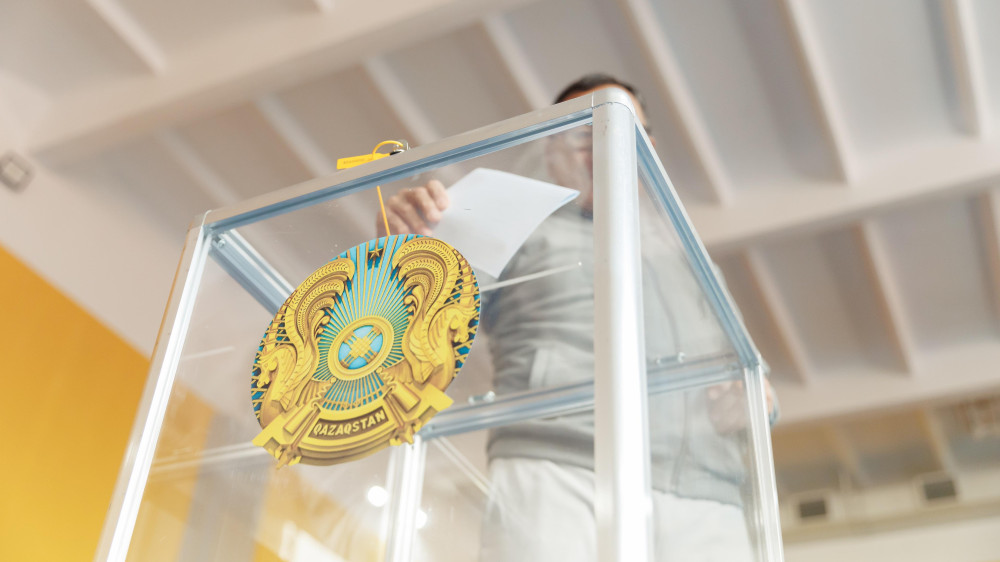
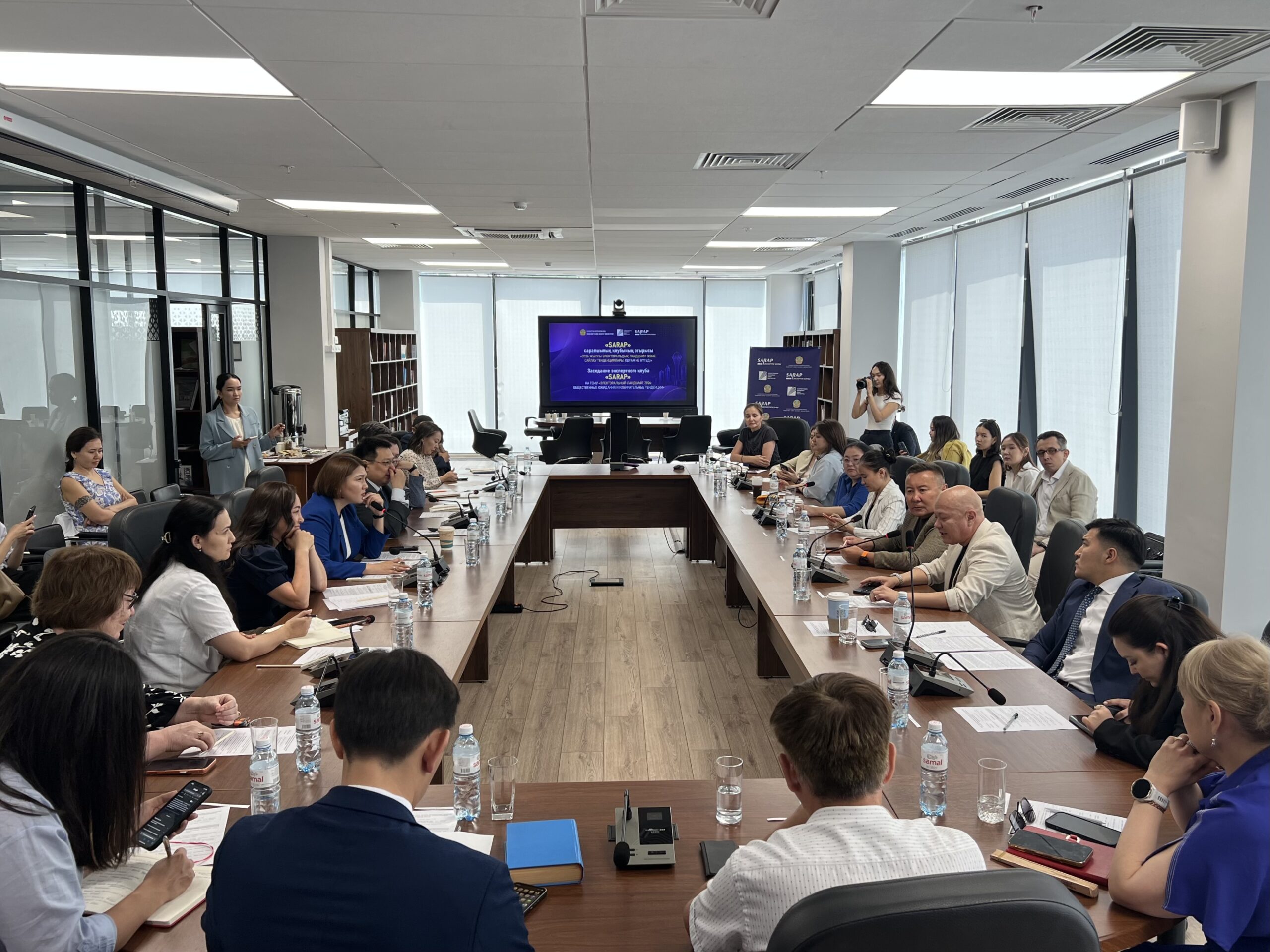
Kazakhstan's upcoming Aug. 23 elections are shaping up with voters prioritizing economic stability and job creation, according to findings presented at a July 17 Sapar Expert Club meeting in Astana. A survey of 1,200 respondents revealed that 62.3% want to see incomes raised, while 48.9% are concerned about curbing inflation. These economic issues significantly outweigh other concerns.
Fighting corruption emerged as the third most important issue for voters at 30.3%, closely followed by the creation of new jobs at 29.8%. The survey also indicated a strong intention to participate in the elections, with 75.1% of respondents either firmly intending to vote or likely to do so. Electoral readiness showed a positive correlation with age, with older citizens more likely to cast their ballots, and rural respondents slightly more inclined to vote than their urban counterparts.
Overall, citizens expect parties to participate professionally in resolving specific socioeconomic issues. They view the upcoming elections as an instrument for ensuring quality of life and achieving pressing goals.
Azamat Baigaliyev, deputy chair of the Kazakhstan Institute of Public Development’s management board, stated that citizens expect parties to engage professionally in resolving specific socioeconomic problems. He noted that voters view the elections as a tool to ensure a better quality of life and achieve pressing national goals. This sentiment underscores a desire for practical solutions rather than abstract political promises.
Two nationwide surveys, conducted in May, provided further insights into the public mood. One surveyed 2,400 people on their perceptions of the socio-political and economic situation, finding 84.1% considered the situation favorable or stable, a notable increase from the previous quarter. Another 76.6% assessed the economy positively, and trust in the president remained high at 86.9%. Political scientist Nayla Mukhtarova emphasized that building public trust in institutions is an ongoing process, forged through consistent delivery of public services and the impartial application of law and justice.
In today’s world, countries are competing not for votes but for people’s trust in political and state institutions. Public trust does not appear in one day, on voting day or during the campaign period. It is formed every day, when a person receives public services and sees that justice and the law work equally for everyone.
DistantNews Editorial
Originally published by The Astana Times. Summarized and contextualized by our editorial team with added local perspective. Read our editorial standards.
More Stories
From Our Blog

What Gets Lost (and Found) When News Is Translated

The Critical Role of Diaspora Media in Global News

What Travellers Should Know About Countries with Restricted Press

A Digital Nomad's Guide to Following Local News

How the Same Story Looks Different in Different Countries
