


What kind of society do we want?
Summarized and contextualized by DistantNews.
At a glance
Opinion
Named sources
Context piece
- Societies grapple with balancing individual protection from societal harm and protecting society from individual harm.
- The article questions who decides when a person is a threat and the evidence used, highlighting concerns about government secrecy and selective morality.
- It calls for truth and transparency in Trinidad and Tobago, emphasizing the region's changing landscape and global scrutiny.
Societies historically face a fundamental tension: whether the individual requires protection from societal forces like persecution and state overreach, or if society itself needs safeguarding from individuals who pose risks through violence or fraud. This dilemma is complicated when both conditions can coexist; a victim of societal ills might still commit harmful acts, and governments may mask repression under the guise of public safety.
Does the individual need protection from society? This applies when someone is vulnerable to persecution, discrimination, exploitation, poverty, abuse, or State overreach.
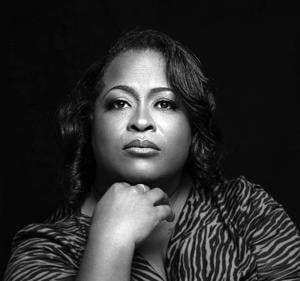
The article points to the recent detentions of Alyssa Phillip and her mother as an example of individuals needing protection. Conversely, it notes that criminal gangs and certain politicians can pose risks to society, a concept underpinning criminal justice systems. The piece questions the criteria and evidence used when governments label individuals as threats, especially when state agencies or officials are involved, citing historical figures like Nelson Mandela, Martin Luther King Jr., and Mahatma Gandhi, who were once considered threats but are now seen as reformers.
Does society need protection from the individual? This applies when a person’s actions pose a serious risk to others through violence, fraud, abuse, or other harmful conduct.
This critical juncture prompts a reflection on the desired nature of a nation. The author poses stark choices: a society operating under secrecy, misdirection, and questionable morality, potentially ignoring or endorsing questionable killings by law enforcement, or one where inconvenient truths are allowed to emerge. The article specifically questions the handling of evidence against state agencies and officials, suggesting it is often buried until public attention wanes.
When our Government labels someone a threat, who gets to decide, by what evidence, and with what safeguards against error?
Concluding with a call to action, the piece asserts that the era of quiet discourse is over. The region is undergoing significant changes, attracting global attention. The people of Trinidad and Tobago, the author argues, are entitled to the truth and deserve a society that upholds transparency and accountability. The framing is urgent, demanding a reckoning with these societal questions.
A nation where leaders operate behind a curtain of secrecy, misdirection, and selective morality?
DistantNews Editorial
Originally published by Trinidad Express. Summarized and contextualized by our editorial team with added local perspective. Read our editorial standards.
More Stories

From Our Blog

What Gets Lost (and Found) When News Is Translated

The Critical Role of Diaspora Media in Global News

What Travellers Should Know About Countries with Restricted Press

A Digital Nomad's Guide to Following Local News

How the Same Story Looks Different in Different Countries
