


What's in the housing affordability bill that Trump refused to sign
Summarized and contextualized by DistantNews.
At a glance
Interview
Named sources
New plan
- A bipartisan housing bill, considered the most significant federal housing policy overhaul in decades, has not been signed by President Trump.
- The bill aims to increase housing supply by reducing construction costs and streamlining processes, without new spending.
- Key provisions include streamlining environmental reviews, easing restrictions on manufactured homes, and limiting large investors' single-family home purchases.
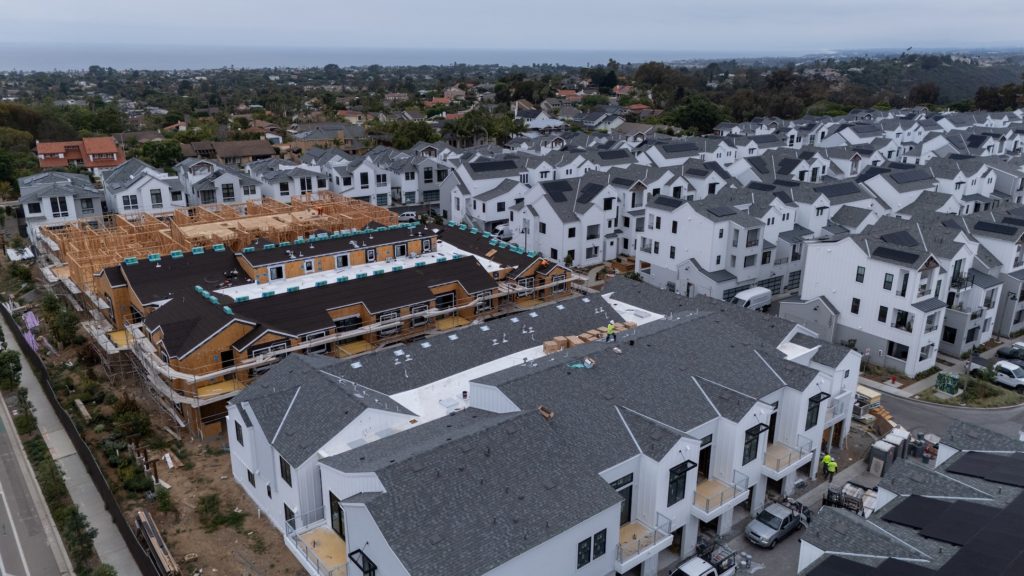
A landmark bipartisan housing bill, described as the most significant overhaul of federal housing policy in decades, awaits President Trump's signature. The legislation, which proposes no new federal spending, aims to boost the nation's housing supply by making construction cheaper and easier across the country.
Key provisions within the bill are designed to streamline environmental reviews and remove restrictions on building manufactured homes. It also seeks to increase access to small-dollar mortgages. Furthermore, the bill would prevent large institutional investors, such as private equity firms, from owning more than 350 single-family homes.
Well, we'd need the entire "News Hour" to get through all of the provisions There are literally dozens of them in this bill. But you got it exactly right. The core of this bill is to say, for decades now, we have not been building enough housing in this country. That is at the center of what is the greatest housing affordability crisis we have ever recorded in the U.S. And that is really what this does. It unleashes local communities and the private sector to do more to build housing. And it gets regulations and other steps out of the way to help do that.
Shaun Donovan, former Secretary of Housing and Urban Development under President Barack Obama and current president and CEO of Enterprise Community Partners, discussed the bill's potential impact. He highlighted that the core of the legislation is to address the decades-long issue of insufficient housing construction, which he identified as the root cause of the current housing affordability crisis.
Donovan explained that the bill empowers local communities and the private sector to increase housing development by removing regulatory hurdles. He also addressed a provision that garnered significant attention: the ban on institutional investors buying single-family homes. Donovan noted that initial drafts of this provision could have had unintended consequences, potentially hindering affordable housing development. However, he stated that bipartisan negotiations successfully fixed these issues, ensuring the provision supports the bill's overall goals.
Well, I think what's really important here about the provision is that, as it was originally drafted, it actually would have had an unintended consequences. It might have stood in the way in some ways of building more affordable housing. And so, through good bipartisan negotiations, those unintended consequences were fixed. But I think, stepping back, there is
DistantNews Editorial
Originally published by PBS NewsHour. Summarized and contextualized by our editorial team with added local perspective. Read our editorial standards.
More Stories


From Our Blog

How the Same Story Looks Different in Different Countries

What Gets Lost (and Found) When News Is Translated

The Critical Role of Diaspora Media in Global News

What Travellers Should Know About Countries with Restricted Press

A Digital Nomad's Guide to Following Local News
