


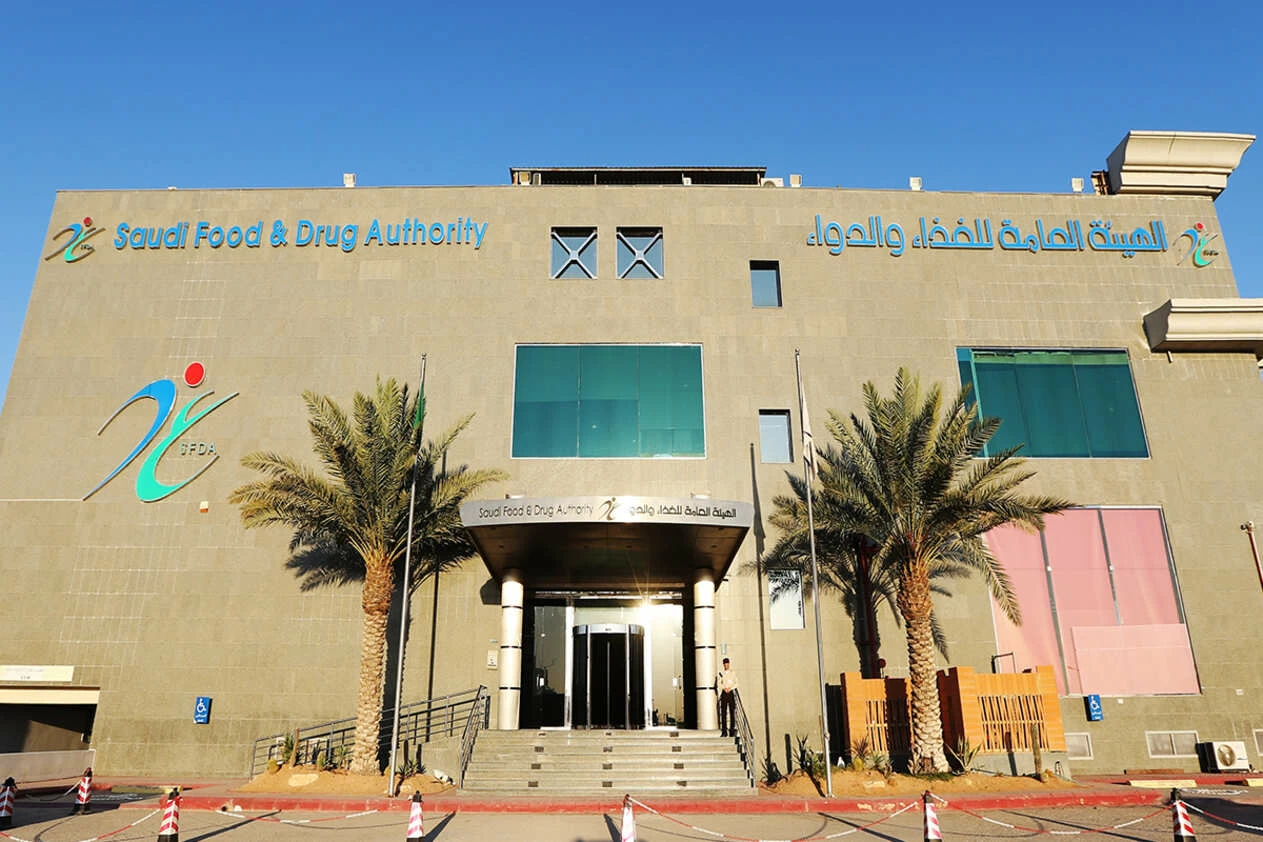

What schools should do when a student suffers an electric shock, Waqaya explains
Translated from Arabic and summarized by DistantNews. Read the original for the full story.
At a glance
Explainer
Official statement
Context piece
- Saudi health and education authorities issued guidance on responding to electric shocks involving students in schools.
- The guide warns that electrical injuries can cause burns, internal damage, cardiac arrest or other injuries, even without visible marks.
- It advises calling the Red Crescent, avoiding contact with a victim still connected to the current, and keeping away from high-voltage wires until power is cut.
A small amount of electricity can be fatal, according to emergency guidance issued for Saudi schools by the Public Health Authority, known as Waqaya, and the Ministry of Education.
The guide says the danger from an electric shock depends on the type of current, the voltage, the path the current takes through the body and how quickly the person receives treatment. An electric shock may cause burns or leave no visible marks on the skin, while still causing internal damage, cardiac arrest or other injuries.
The recommended first response is to call the Red Crescent. Staff should not touch a student who remains in contact with an electrical current, and they should not approach high-voltage wires until the power has been disconnected. If wires are sparking or jumping, the guide says people should remain at least 20 feet, or about six meters, away.
The guidance also says not to move the injured person unless an immediate danger requires it. One immediate measure is to shut off the electricity and use a dry, nonconductive object, though the supplied guidance ends before detailing the full procedure.
A small amount of electricity can be fatal.
About this summary
Originally published by Okaz in Arabic. Translated, summarized, and contextualized automatically by DistantNews, with a note on how the source frames the story. Not individually reviewed before publishing. How this works.
More Stories



From Our Blog

News in Translation: What Gets Lost, and How We Keep the Framing

Diaspora Media: How Communities Follow News From Home

Traveling Where the Press Is Not Free: How to Read the News There

The Digital Nomad's Guide to Local News

The Same Story, Different Countries: How Coverage Changes at the Border
