


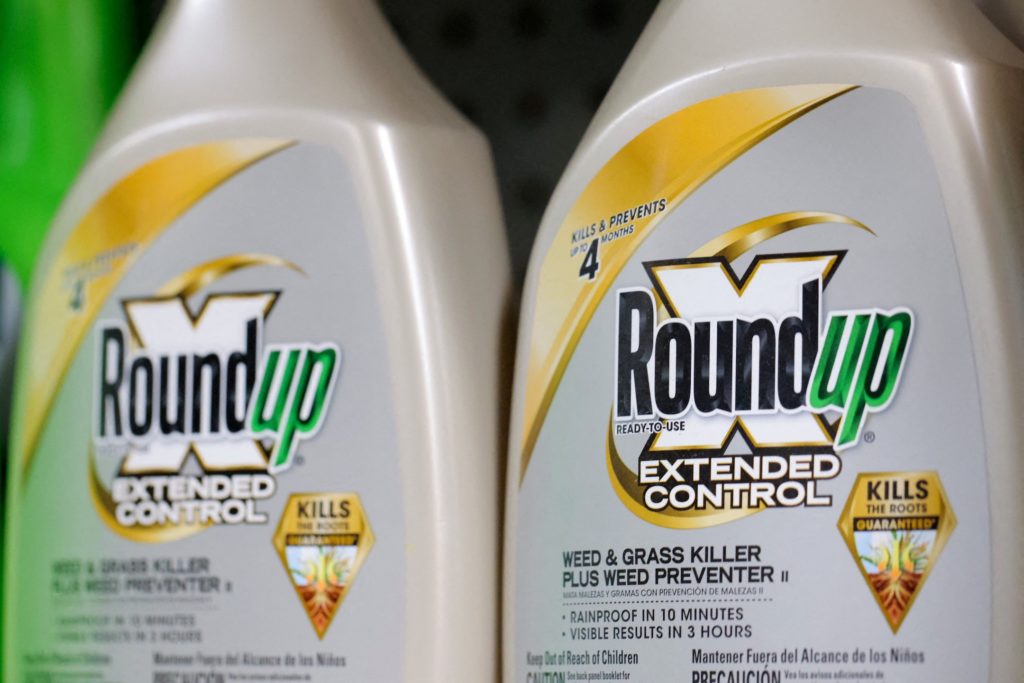
What science tells us about the health risks of Roundup
Summarized and contextualized by DistantNews.
At a glance
News
Official statement
Outcome reported
- The Supreme Court ruled 7-2 in favor of Roundup's manufacturer, overturning a lower court's cancer award to a plaintiff.
- This decision is anticipated to dismiss thousands of similar lawsuits nationwide.
- The ruling's implications for public health and legal recourse were discussed with an expert on toxic exposure.
The U.S. Supreme Court has sided with Bayer, the manufacturer of the weedkiller Roundup, in a significant ruling that could impact thousands of lawsuits. In a 7-2 decision, the court overturned a Missouri jury's award to a man who claimed Roundup caused his cancer.
The ruling is expected to block numerous other claims across the country, potentially shielding Bayer from substantial financial liabilities. This decision centers on the legal argument of how plaintiffs can prove the link between the herbicide and their illnesses, particularly concerning federal regulatory oversight.
Dr. Chadi Nabhan, author of "Toxic Exposure: The True Story behind the Monsanto Trials and the Search for Justice," discussed the ruling's implications. His insights likely shed light on the scientific and legal complexities surrounding Roundup litigation and the challenges faced by individuals seeking justice for alleged harm from the product.
DistantNews Editorial
Originally published by PBS NewsHour. Summarized and contextualized by our editorial team with added local perspective. Read our editorial standards.
More Stories



From Our Blog

How the Same Story Looks Different in Different Countries

What Gets Lost (and Found) When News Is Translated

The Critical Role of Diaspora Media in Global News

What Travellers Should Know About Countries with Restricted Press

A Digital Nomad's Guide to Following Local News
