

What the US-Iran deal means for West Asian security and Pakistan
Summarized and contextualized by DistantNews.
At a glance
Analysis
Named sources
New plan
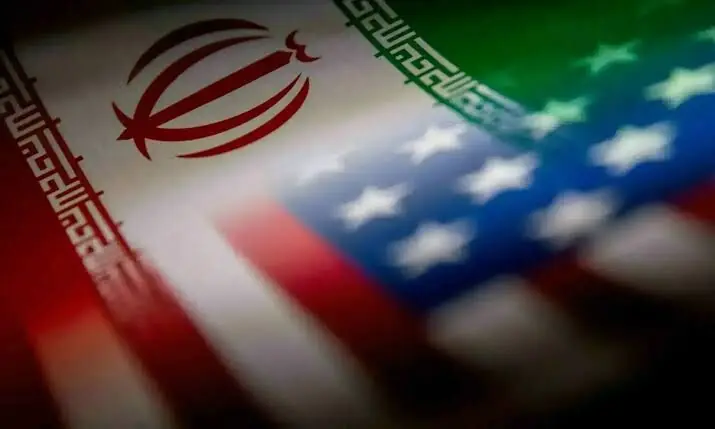
- The US and Iran have agreed to a basic framework for a deal, with the specifics of implementation remaining uncertain.
- Pragmatists facilitated the ceasefire, but it faces threats from "apocalypticists" in Washington and Jerusalem who view the conflict as a scheduled event.
- These hardliners see a deal as an obstacle to be removed rather than negotiated, potentially creating space for spoilers.
A basic framework agreement has been reached between the US and Iran, though its translation into a concrete accord remains an open question. While Iran has declared an end to hostilities, Israel maintains that its "struggle has not yet ended." This divergence leaves ample room for spoilers to disrupt the process. The ceasefire was brokled by pragmatists, but it is vulnerable to disruption by those with more extreme views. In both Washington and Jerusalem, leaders exist who perceive the ongoing conflict not as a crisis to be resolved, but as a predetermined event that a ceasefire can only postpone, not prevent. Their theological outlook suggests that a deal is not a solution but an impediment. Obstacles, in this eschatological view, are not subjects for negotiation but are to be eliminated.
our struggle has not yet ended
DistantNews Editorial
Originally published by Dawn. Summarized and contextualized by our editorial team with added local perspective. Read our editorial standards.
More Stories
From Our Blog

What Gets Lost (and Found) When News Is Translated

The Critical Role of Diaspora Media in Global News

What Travellers Should Know About Countries with Restricted Press

A Digital Nomad's Guide to Following Local News

How the Same Story Looks Different in Different Countries
