


What to Expect from Kurultai Elections in Kazakhstan This Week
Summarized and contextualized by DistantNews.
At a glance
News
Sources not specified
Context piece
- Kazakhstan is holding elections on August 23 for its new unicameral Parliament, the Kurultai.
- The vote tests a redesigned parliamentary and electoral system, including a 5% threshold for parties to enter the legislature.
- The new framework concentrates legislative power in the Kurultai and formally defines the parliamentary majority and opposition.
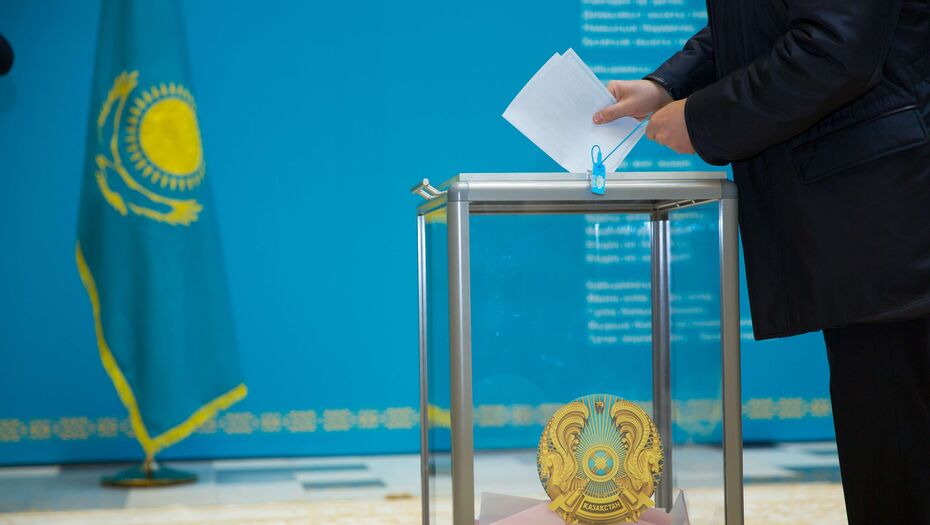
Kazakhstan is set to elect members of its new unicameral Parliament, the Kurultai, on August 23, marking the first implementation of a redesigned parliamentary and electoral system. This vote will not only determine the 145 seats in the legislature but also offer an early indication of how the new rules influence party competition and political representation.
The nation's new constitutional framework, effective July 1, replaced the former bicameral Parliament with the Kurultai, whose members will serve five-year terms. Elected through proportional representation in a single nationwide constituency, parties must secure at least 5% of the vote to gain representation. Notably, women, young people, and individuals with disabilities constitute 43.9% of registered candidates, exceeding the required 30% quota.
A significant shift involves the concentration of legislative authority within the Kurultai, with adopted laws then forwarded to the President. Standing committees are expected to play a more prominent role, with the Kurultai empowered to establish up to eight permanent committees for preliminary legislative reviews. The new system also formally defines the parliamentary majority and opposition, guaranteeing specific roles for opposition representatives in committee leadership and government question sessions.
Rassul Kospanov, a senior researcher at the National Analytical Center, anticipates a strengthening of the speaker's role due to the consolidated legislative power. "I think the role of the speaker will become stronger," Kospanov stated. "Previously, the highest legislative authority was divided between two chambers, and that influence was also divided between two speakers; now, in effect, there will be one much more powerful speaker."
The election also signals a transition for the executive branch, as the government must formally submit its resignation after the Kurultai's election. The President will then have ten days to decide whether to accept it. The electoral system itself has undergone significant changes, including the elimination of single-member constituencies from national parliamentary elections.
I think the role of the speaker will become stronger. Previously, the highest legislative authority was divided between two chambers, and that influence was also divided between two speakers; now, in effect, there will be one much more powerful speaker.
DistantNews Editorial
Originally published by The Astana Times. Summarized and contextualized by our editorial team with added local perspective. Read our editorial standards.
More Stories

From Our Blog

What Gets Lost (and Found) When News Is Translated

The Critical Role of Diaspora Media in Global News

What Travellers Should Know About Countries with Restricted Press

A Digital Nomad's Guide to Following Local News

How the Same Story Looks Different in Different Countries
